OPEC+ Raises Output Quotas as UAE Exit Tests Oil Alliance Cohesion
ADNOC Unveils $55 Billion Investment Plan as Gulf Energy Markets Face Ongoing Disruption
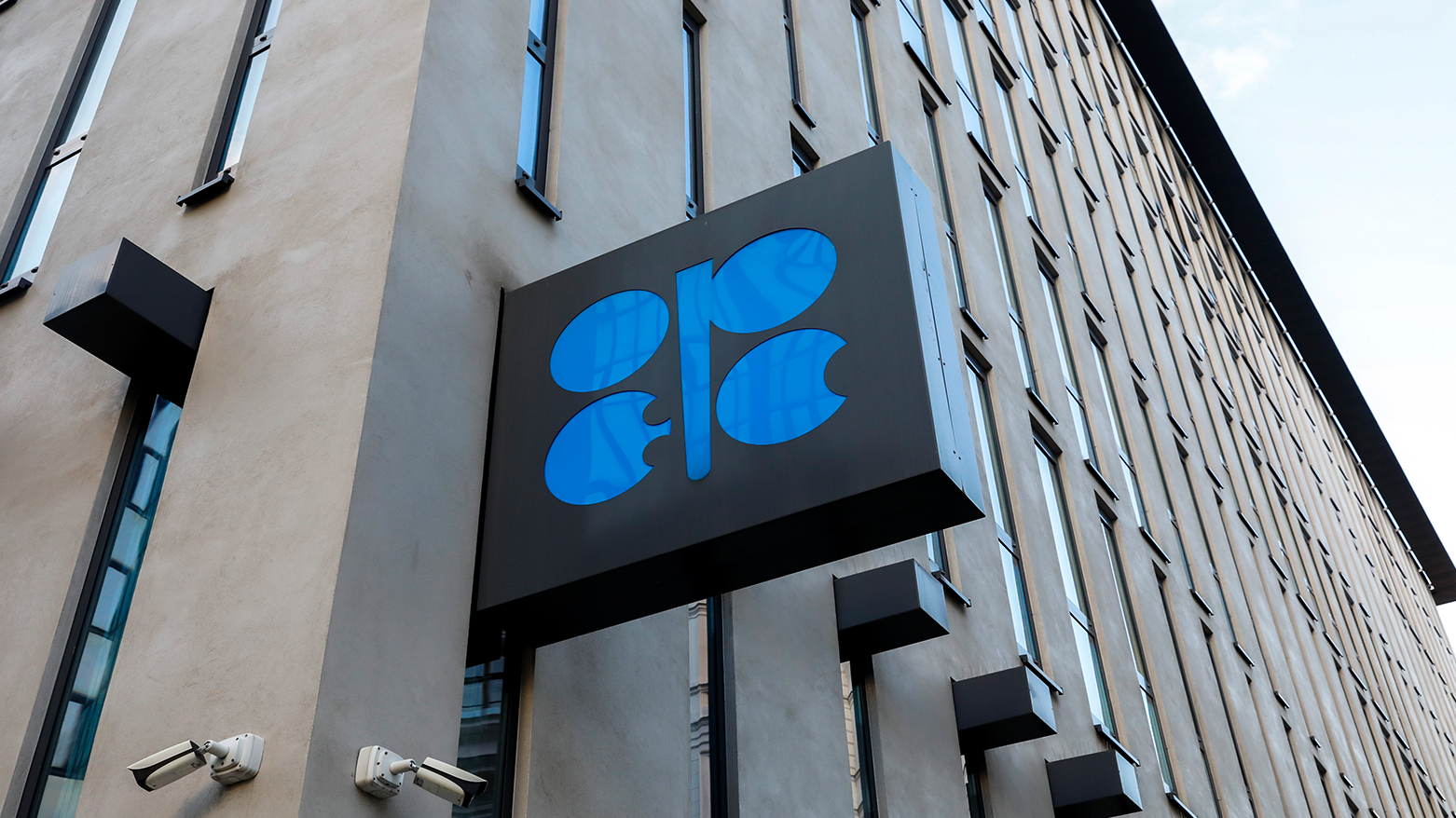
ERBIL (Kurdistan24) — OPEC+ members led by Saudi Arabia and Russia agreed Sunday to increase oil production quotas for June, signaling continuity within the alliance following the shock withdrawal of the United Arab Emirates.
The group of seven producers announced they would raise collective output by 188,000 barrels per day, describing the move as part of their commitment to maintaining market stability.
The decision aligns with expectations among analysts and follows similar quota increases in recent months, though notably, the official statement made no reference to the UAE’s departure.
The production adjustment was agreed upon during a virtual meeting involving Algeria, Iraq, Kazakhstan, Kuwait, Oman, Russia, and Saudi Arabia. Analysts say the move is aimed less at materially boosting supply and more at reinforcing confidence in the group’s ability to manage global oil markets.
“The message is twofold: that the UAE’s exit will not disrupt OPEC+ operations, and that the group still holds influence despite current market disruptions,” said Jorge Leon of Rystad Energy.
However, the real impact on supply is expected to remain limited. Much of OPEC+’s spare capacity is concentrated in the Gulf, where exports continue to face severe constraints due to Iran’s blockade of the strategically vital Strait of Hormuz.
“While output is increasing on paper, the real impact on physical supply remains very limited,” Leon noted, emphasizing that the decision is largely symbolic under current conditions.
The UAE’s departure from OPEC and OPEC+—which took effect on May 1—marks a significant shift for one of the world’s top oil producers. Long frustrated with production caps led by Saudi Arabia, Abu Dhabi is now free to adjust output levels independently after decades within the quota system.
Shortly after formally exiting the alliance, the Abu Dhabi National Oil Company (ADNOC) announced plans to invest $55 billion in new projects between 2026 and 2028. The initiative aims to expand both upstream and downstream operations and accelerate the country’s broader energy strategy.
ADNOC said the investments would “supercharge” manufacturing capacity and strengthen industrial resilience, underscoring Abu Dhabi’s ambition to boost production capacity to five million barrels per day by 2027—well above previous OPEC-imposed limits.
Before the disruption in the Strait of Hormuz, the UAE was the fourth-largest producer within OPEC+, accounting for nearly 13 percent of the cartel’s total output.
The twin developments—OPEC+ signaling stability and the UAE pursuing an independent expansion strategy—come amid heightened volatility in global energy markets. The ongoing regional conflict has driven oil prices sharply higher, while infrastructure attacks and shipping disruptions continue to weigh on supply chains.
Despite these pressures, OPEC+ appears intent on projecting unity and control, even as internal shifts reshape the structure of one of the world’s most influential energy alliances.
The absence of any explicit reference to the UAE in Sunday’s statement highlights the group’s effort to move forward without public friction, though the long-term implications of Abu Dhabi’s exit are likely to remain a key factor in global oil dynamics.