Gulf on the Brink: Iran–US Clashes Threaten to Collapse Fragile Ceasefire
Missile strikes on UAE, naval confrontations in Strait of Hormuz, and rising oil prices signal dangerous regional escalation
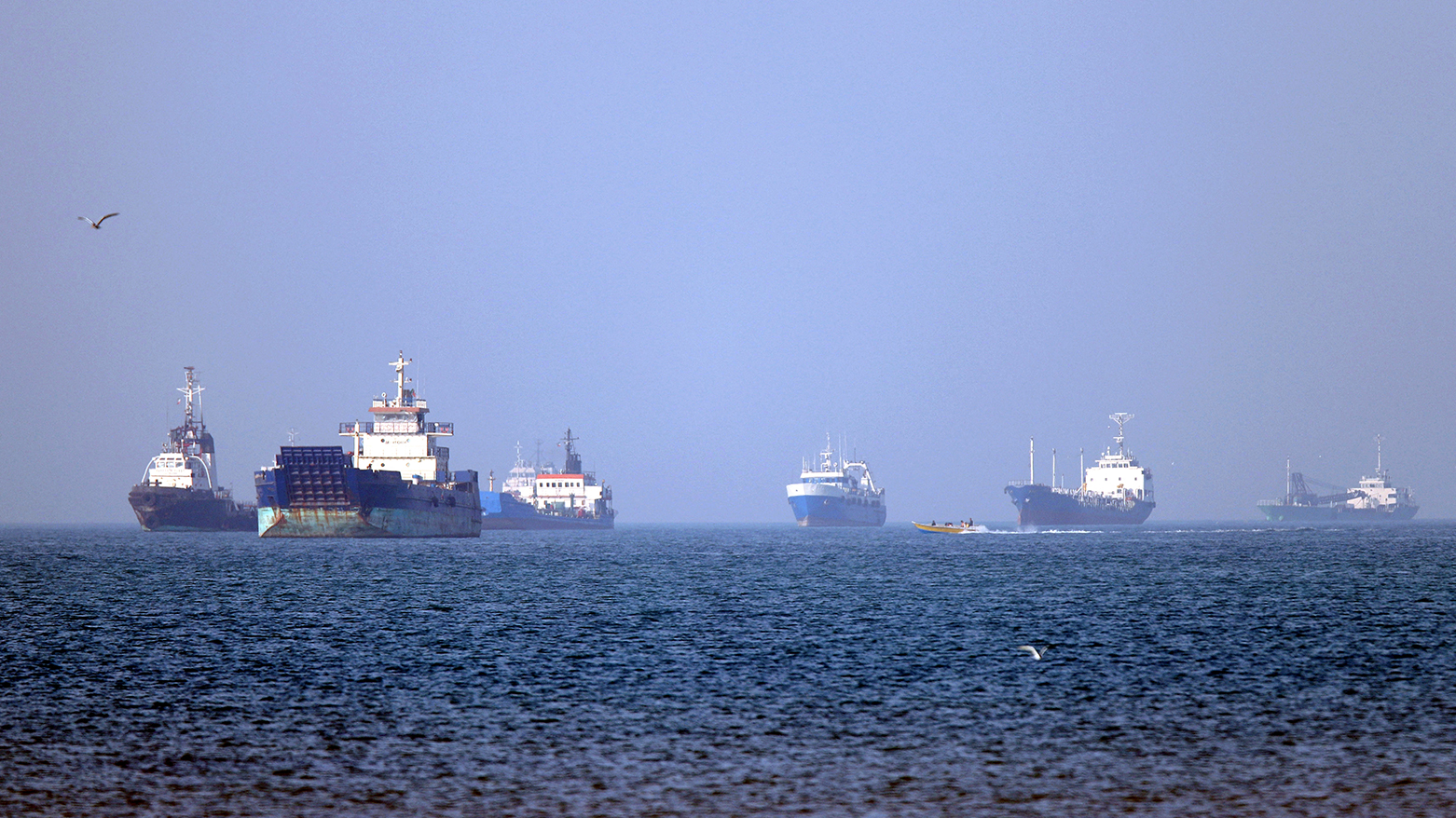
ERBIL (Kurdistan24) — A fragile ceasefire between Iran and the United States appeared increasingly precarious on Monday as both sides exchanged fire around the strategic Strait of Hormuz, while regional actors voiced alarm following new Iranian missile and drone attacks on the United Arab Emirates.
The renewed tensions come nearly a month after a truce was declared, raising concerns about a potential return to open conflict in one of the world’s most critical energy corridors.
The Strait of Hormuz, through which roughly one-fifth of global oil supplies once flowed before the outbreak of hostilities on February 28, has again become a flashpoint.
A day after announcing a US naval initiative dubbed “Project Freedom” to escort stranded vessels, US President Donald Trump warned that Iran would be “blown off the face of the earth” if it targeted American ships. Tehran, however, signaled defiance, reiterating its determination to maintain control over the waterway, which it views as a key strategic lever.
A US admiral said American forces had sunk six small Iranian vessels during recent engagements. Iran denied the claim, insisting no combat ships were hit, while accusing US forces of attacking civilian boats and killing five passengers. Iranian state media described the incident as a “crime” for which Washington must be held accountable.
Tensions further escalated after the UAE reported coming under missile and drone attack for the first time since the ceasefire. Emirati authorities said the strikes targeted civilian infrastructure, including an energy installation in Fujairah, where three Indian nationals were injured. Additional damage was reported in neighboring Oman, where two people were wounded after a residential building in Bukha was struck.
The UAE’s foreign ministry condemned the attacks as a “dangerous escalation” and a direct threat to national security and regional stability. According to defense officials, four cruise missiles were launched, three of which were intercepted, while the fourth fell into the sea. Authorities also reported drone activity targeting a tanker linked to the state-owned oil giant ADNOC.
A senior Iranian military official did not explicitly deny responsibility for the strikes but suggested they were a byproduct of what he described as “US military adventurism” aimed at forcing maritime access through the strait.
Iranian Foreign Minister Abbas Araghchi, meanwhile, struck a more conciliatory tone, warning that recent clashes demonstrated there was “no military solution to a political crisis” and pointing to ongoing mediation efforts by Pakistan.
Global markets reacted swiftly to the escalation, with Brent crude prices rising more than five percent amid fears of supply disruption. The spike in energy costs has compounded economic pressures worldwide and poses a political challenge for Washington ahead of upcoming congressional elections.
Security measures were heightened across the region. Israel placed its military on high alert, while the UAE shifted all schools to remote learning for the remainder of the week. Maritime uncertainty also deepened, with conflicting accounts over vessel movements through the strait.
While US Central Command said two US-flagged ships had safely exited the Gulf under naval escort, Iran’s Revolutionary Guards denied that any commercial vessels had transited the waterway in recent hours.
Separately, South Korea reported an explosion and fire aboard one of its ships in the strait, adding to mounting concerns over maritime safety.
Diplomatic efforts remain stalled. Planned talks in Pakistan have twice been canceled, and Washington has expressed skepticism over recent Iranian proposals, leaving the ceasefire without a clear political framework.
Regional reactions to the latest escalation have been swift but uneven. Qatar strongly condemned the Iranian strikes on the UAE, describing them as a violation of sovereignty and expressing full solidarity with Abu Dhabi, while wishing a speedy recovery for those injured.
Saudi Arabia, meanwhile, called broadly for de-escalation and support for diplomatic solutions but stopped short of explicitly condemning the attacks on the UAE. The omission has drawn attention from observers, signaling potential strains between the Gulf neighbors and underscoring deeper shifts in regional alignments.
As tensions mount, the situation in the Strait of Hormuz remains volatile, with the risk of miscalculation threatening to unravel the already fragile ceasefire and draw the region closer to a wider confrontation.