US Warns of ‘Devastating’ Response to Threats in Strait of Hormuz
US War Secretary Pete Hegseth stressed that Washington’s priority remains ensuring freedom of navigation through the strategic waterway, which Tehran closed following the outbreak of war with the United States and Israel on February 28.
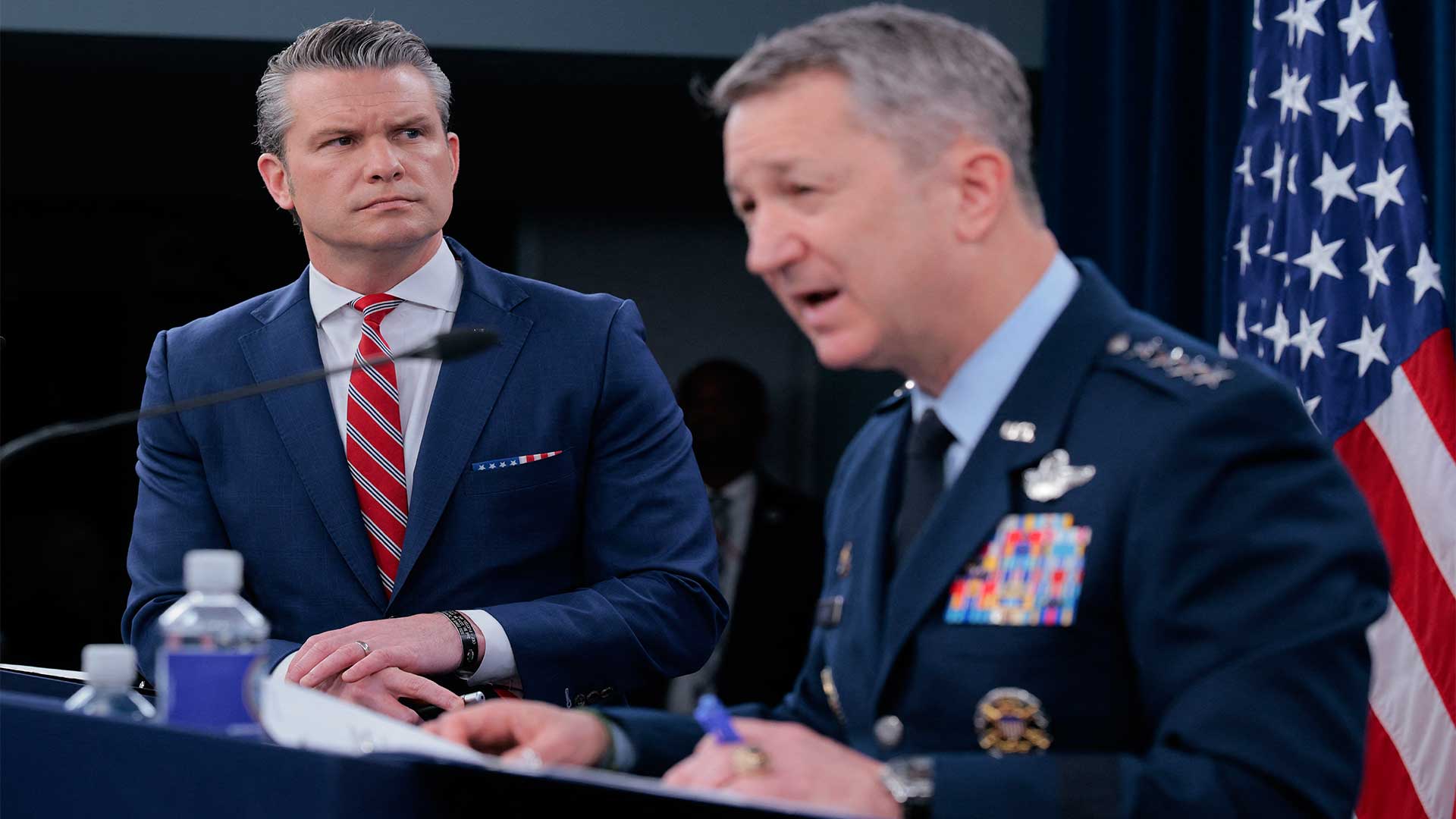
ERBIL (Kurdistan24) – The United States said on Tuesday it is not seeking confrontation over the Strait of Hormuz, while warning that any attack on commercial shipping or American forces would trigger a “devastating” response, as tensions with Iran persist.
US War Secretary Pete Hegseth stressed that Washington’s priority remains ensuring freedom of navigation through the strategic waterway, which Tehran closed following the outbreak of war with the United States and Israel on February 28.
“We’re not looking for a fight. But Iran also cannot be allowed to block innocent countries and their goods from an international waterway,” Hegseth told reporters, adding that any aggression would be met with “overwhelming and devastating American firepower.”
Despite recent incidents, including intercepted missiles, drones, and the destruction of six Iranian boats, senior US officials emphasized that the ceasefire remains in place. Dan Caine, a top US military officer, said American forces remain ready to resume large-scale operations if necessary, cautioning that restraint should not be misinterpreted as weakness.
Meanwhile, Brad Cooper, the commander overseeing US forces in the Middle East, confirmed that American forces have implemented layered defenses in the region. These include naval assets, aircraft, and electronic warfare systems aimed at securing maritime routes.
The ongoing crisis has severely disrupted global shipping, with approximately 22,500 mariners aboard more than 1,550 vessels currently stranded in the Arabian Gulf, unable to transit through the Strait of Hormuz—a critical corridor for global oil and gas exports.
While US forces are not directly escorting ships, officials said a secure passage has been established, supported by defensive measures to counter potential threats. However, the broader conflict and its economic implications remain unresolved despite the extension of the ceasefire by U.S. President Donald Trump.