Suspected Hantavirus Outbreak Reported on Cruise Ship After Three Deaths
WHO says risk to the public remains low as investigation continues
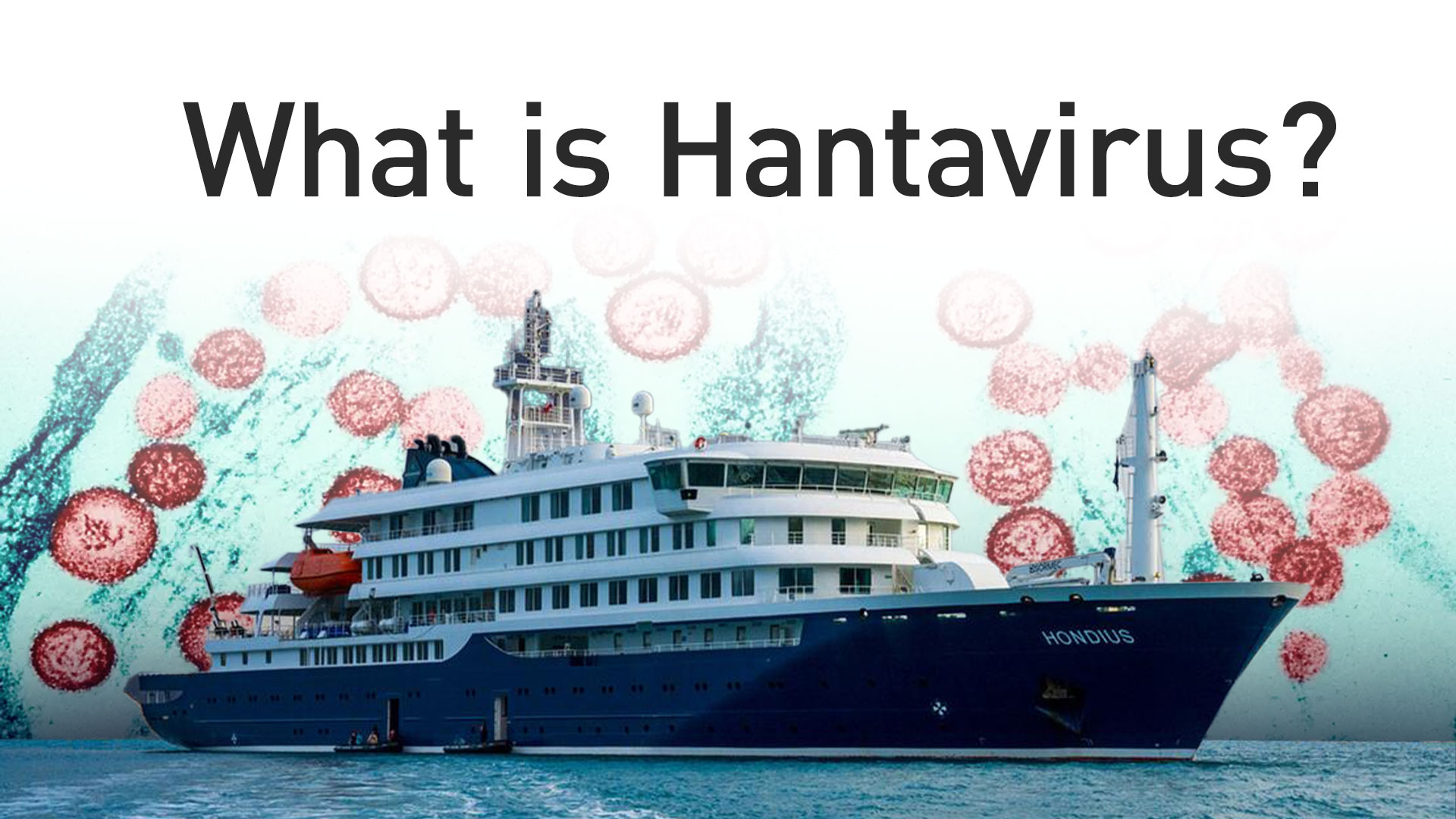
ERBIL (Kurdistan 24) — Three people have died aboard a cruise ship traveling across the Atlantic Ocean in what is being investigated as a suspected hantavirus outbreak, while another traveler has tested positive for the virus and remains in intensive care in South Africa, according to international media reports and statements from the World Health Organization (WHO) delivered Tuesday during a press conference.
The vessel involved is the Hondius, operated by Dutch company Oceanwide Expeditions, whose voyage data and international media reports on Wednesday, which was sailing from Argentina toward Cape Verde with 149 passengers and crew members on board. Reports also indicate that two crew members have become seriously ill.
WHO of Europe and Health Officials say on Wednesday, it remains unclear where or how the travelers were infected.
On Monday, the WHO Regional Office for Europe said the overall risk to the general public remains low and stressed that there is currently “no reason for panic or travel restrictions.”
But what is hantavirus?
WHO referenced in May, Hantavirus is a zoonotic disease transmitted primarily from animals to humans, mainly through rodents such as mice and rats. Infected animals shed the virus through saliva, urine, and feces, contaminating the surrounding environments.
Based on updates of the WHO and CDC public health information for 2025-2026, Humans are most commonly infected by inhaling contaminated dust particles, especially in enclosed areas where rodent droppings or nesting materials are disturbed. Infection can also occur through contaminated food, touching the eyes or nose after exposure, or through bites from infected rodents.
According to health experts (Scientific research studies including Andes virus transmission review, published 2021), person-to-person transmission has generally not been observed in Europe. However, limited cases linked to the Andes virus strain in Argentina and Chile have raised concerns in South America, though researchers say evidence for direct human transmission remains inconclusive.
Doctors (The Lancet medical review, published 2023) say hantavirus symptoms vary depending on the strain involved. In Europe and Asia, infections often begin with flu-like symptoms, including high fever, headaches, abdominal pain, muscle pain, and back pain.
More severe cases can develop into hemorrhagic fever with renal syndrome, which may lead to dangerously low blood pressure, kidney dysfunction, and acute kidney failure.
In North and South America, some hantavirus strains can cause hantavirus pulmonary syndrome, a severe respiratory illness that leads to fluid accumulation in the lungs and breathing difficulties. Medical studies estimate the fatality rate of pulmonary hantavirus infections at around 30% to 40%.
Recent medical research by The Lancet medical review, published in 2023, suggests hantavirus may also carry long-term health consequences even after recovery from the acute infection. Studies cited in The Lancet found increased risks of cardiovascular disease and certain blood cancers among some former patients.
According to the statement of the WHO and international infectious disease guidance, referenced 2025–2026, currently, there is no widely approved vaccine for hantavirus in Europe or the Americas. Treatment mainly focuses on managing symptoms and supporting organ function. Severe cases may require dialysis or mechanical ventilation.
Medical research publications, published in November 2024, are continuing to test experimental antibody-based therapies and DNA vaccine approaches, including studies published in late 2024 that showed promising early results against certain hantavirus strains.
However, German and European public health surveillance data, referenced 2023–2025, says Hantavirus infections remain relatively rare globally, though outbreaks continue to occur in areas with high rodent exposure. Germany alone reports between 200 and 3,000 cases annually, according to European health data, with the Puumala virus being the most common strain there.
The latest incident aboard the Hondius has renewed attention on infectious disease monitoring during long-distance maritime travel, particularly involving remote expedition routes where access to rapid medical intervention may be limited.