Kurdistan24 Presenter Recounts Horrors of Nugra Salman During Trial of Former Prison Official
Court postpones hearing of Ajaj Ahmed Hardan al-Tikriti after testimonies from Anfal survivors expose brutal abuses inside notorious prison
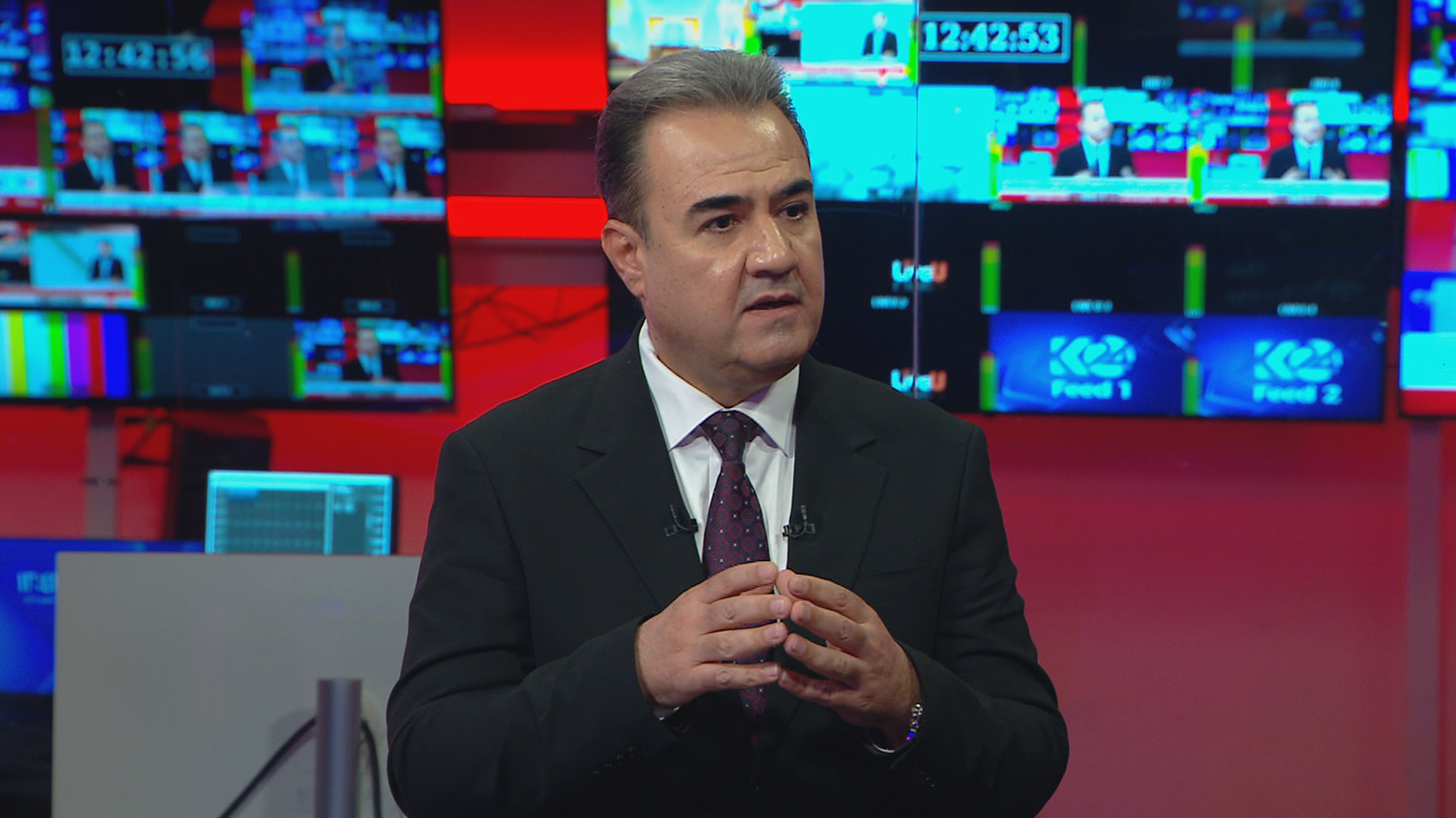
ERBIL (Kurdistan24) — Ammar Najmaddin, a presenter and news anchor at Kurdistan24, recounted traumatic memories from Iraq’s notorious Nugra Salman prison during Thursday’s court session for former prison official Ajaj Ahmed Hardan al-Tikriti, accused of crimes committed against Kurdish detainees during the Anfal campaign.
Speaking during Kurdistan24’s midday news bulletin hosted by Kuvan Ezet, Najmaddin recounted the suffering he and his family endured after being deported to the deserts of Samawah and imprisoned in Nugra Salman following the 1988 chemical attack on Halabja.
Najmaddin said he was only 11 years old when Iraqi Ba'ath regime forces transferred him, along with his mother and siblings, to the prison camp.
“The memories of that place still torture us,” he said. “My father disappeared before we were taken there, and his fate remains unknown until today.”
He also described witnessing the killing of an elderly prisoner known as “Mam Alla Karim,” who was allegedly beaten to death after spitting toward al-Tikriti. According to Najmaddin, the man was assaulted in front of his son, and hundreds of detainees, before his body was later thrown to starving dogs.
Najmaddin recounted the harsh conditions inside the prison, saying detainees were given salty water and only two pieces of bread per day. He said many children and elderly prisoners died due to hunger and cholera.
“One of the most terrifying scenes was the black dogs trained to eat the bodies of Kurdish prisoners who died under torture,” he said.
He stressed that recounting such testimonies is both a historical and legal responsibility to ensure the world understands the scale of crimes committed against Kurds during the Anfal campaign and to prevent similar atrocities from happening again.
Thursday’s hearing, which many expected would result in a final verdict, was postponed until May 14 after testimony was heard from 25 witnesses, according to Kurdistan24 correspondent Dilan Barzan in Baghdad.
Barzan reported that al-Tikriti denied some of the accusations related to crimes committed at Nugra Salman prison, prompting the court to delay proceedings for further investigation into the case.
However, the hearing saw extensive testimony from survivors and relatives of victims, many of whom detailed acts of torture, abuse, killings, and forced disappearances allegedly committed by al-Tikriti.
Since his arrest on July 30 last year, al-Tikriti has appeared several times before the Rusafa court in connection with crimes linked to Nugra Salman prison in Iraq’s southern Muthanna province.
Approximately 221 relatives of Anfal victims from Garmian, Khurmatu, Sulaimani, and Erbil attended the session inside and outside the courtroom, hoping to witness the sentencing of a man survivors describe as one of the most brutal officials associated with the prison.
According to witness accounts and Iraqi security investigations, al-Tikriti became notorious for severe torture methods, including exposing detainees to extreme desert heat for prolonged periods.
Iraq’s National Security Service announced his arrest in August 2025 following a six-month intelligence operation conducted in coordination with security forces in Muthanna and Salahaddin provinces.
Authorities accused al-Tikriti, known among survivors as the “Butcher of Nugra Salman Prison,” of torture, murder, burying detainees alive, and sexually assaulting female prisoners.
The Anfal campaign, carried out by the former Ba'ath regime in 1988, led to the killing and disappearance of tens of thousands of Kurds and is widely recognized as genocide.
Following the fall of Saddam Hussein’s regime in 2003, al-Tikriti reportedly fled Iraq for Syria, where he settled near Damascus before eventually being captured decades later.