Missiles, Drones, And Isolation: Sailors Endure Mounting Fear in Gulf Waters
Thousands of sailors remain trapped aboard vessels in the Gulf amid missile threats, drone attacks, and mounting psychological pressure
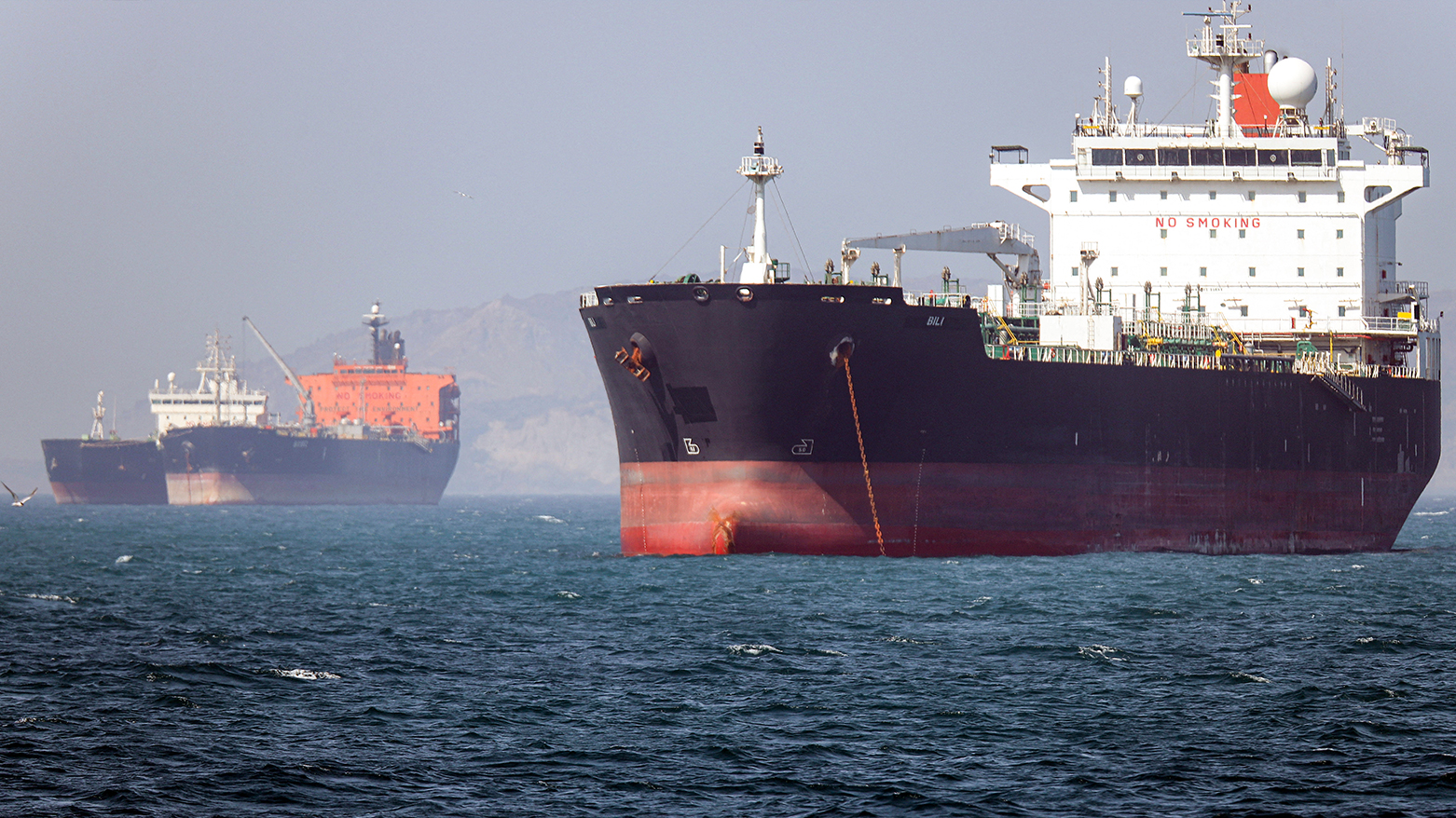
ERBIL (Kurdistan24) - For more than two months, sailors stranded in the waters of the Gulf have lived under the constant shadow of missiles, drones, and military escalation, as the crisis surrounding the Strait of Hormuz continues to deepen despite an existing ceasefire.
Charities monitoring the welfare of maritime crews say sailors trapped aboard hundreds of vessels are suffering from severe psychological strain after weeks at sea in one of the world’s most volatile waterways.
Tehran has effectively closed the Strait of Hormuz since the launch of the US-Israeli attack against Iran on Feb. 28. Since then, several ships — including commercial vessels — have reportedly come under missile and drone attacks while attempting to transit the strategic corridor.
Although a ceasefire has been in effect since April 8, the crisis surrounding the vital shipping and energy route remains unresolved, compounded further by Washington’s blockade on Iranian ports.
Thousands remain trapped at sea
The International Maritime Organization, affiliated with the United Nations, said this week that nearly 20,000 crew members are spread across approximately 1,500 stranded ships in the Gulf.
The organization added that at least 11 people have been killed in attacks targeting vessels during recent weeks.
Britain’s Maritime Trade Operations authority also documented dozens of incidents involving Iranian forces launching projectiles toward ships navigating through Hormuz.
For many sailors, the danger has evolved into a relentless psychological battle.
After speaking with the crew of a ship struck in one of the attacks, Gavin Lim, head of the Crisis Response Network at the UK-based Sailors’ Society charity, described the fear experienced onboard.
“We heard accounts of their panic. It is truly terrifying. They thought they were going to die,” he said.
Lim added that sailors constantly witness drones flying overhead, missiles being launched, and ships being hit nearby.
“You can imagine how anxiety and fear escalate,” he said, noting that many sailors begin asking themselves whether they have become “mere bait” or potential victims in a geopolitical confrontation.
The Sailors’ Society said crews are enduring a range of psychological pressures, including hypervigilance, emotional and physical exhaustion, loneliness, depression, and anxiety.
Iranian forces have also detained at least two commercial ships in the strait, while video footage showed members of the Islamic Revolutionary Guard Corps boarding one of the vessels.
John Canias, maritime operations coordinator at the International Transport Workers’ Federation, said one officer aboard a detained ship reportedly suffered a panic attack as Iranian forces boarded the vessel.
“Fortunately, reports indicate they were cared for and allowed to communicate online with their families,” he added.
As the military standoff in the Gulf continues, thousands of sailors remain stranded between warships, drones, and uncertainty, caught in a crisis that has transformed one of the world’s busiest maritime corridors into a zone of fear and psychological exhaustion.