Rubio, Witkoff Meet Qatari PM in Miami Amid Intensified Iran War Negotiations
Regional mediators increase pressure for a memorandum aimed at ending the conflict and opening broader negotiations
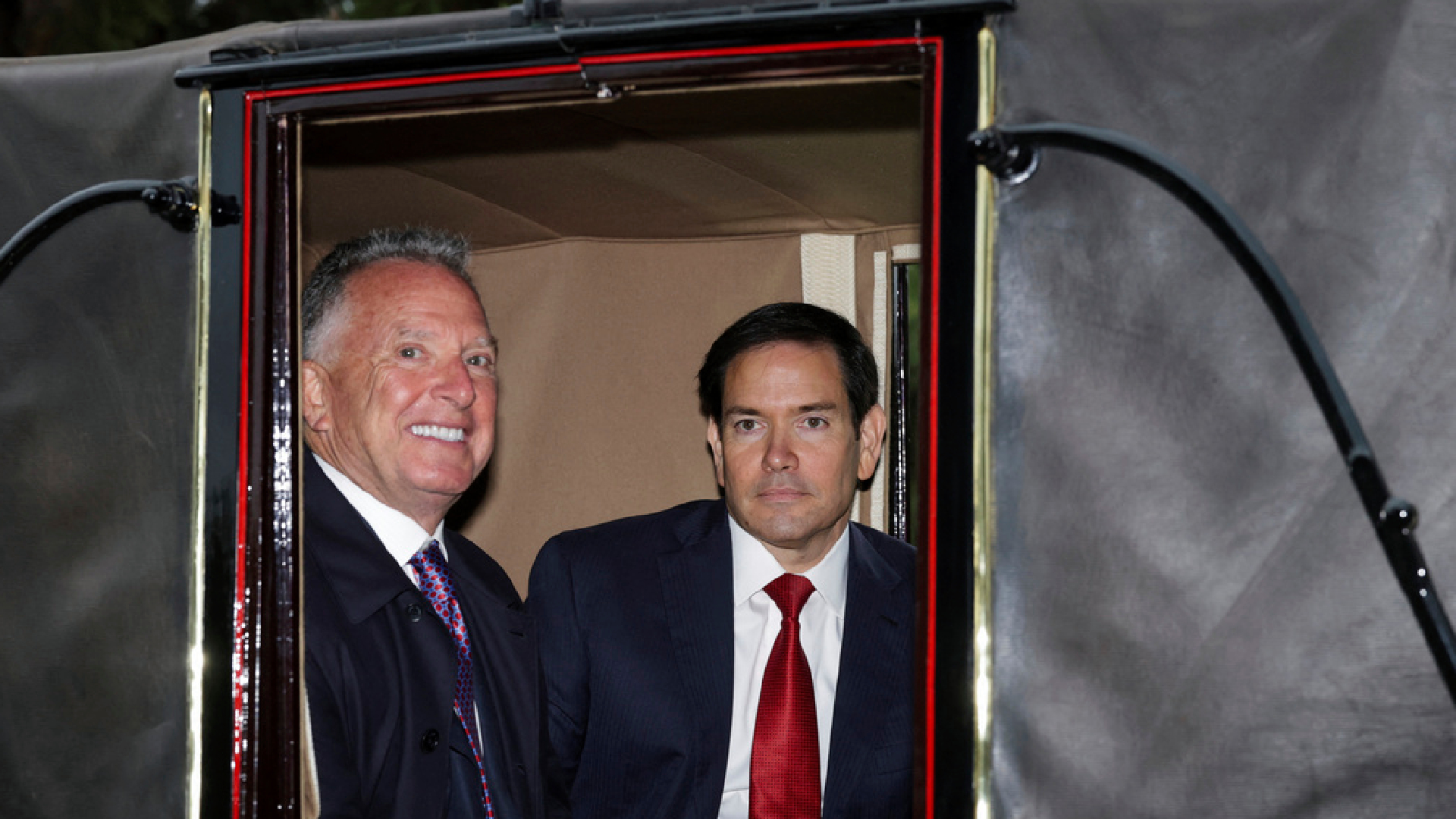
ERBIL (Kurdistan 24) - U.S. Secretary of State Marco Rubio and White House envoy Steve Witkoff met Saturday in Miami with Qatari Prime Minister and Foreign Minister Mohammed bin Abdulrahman Al Thani as diplomatic efforts intensified to secure an agreement aimed at ending the war involving Iran.
According to Axios, which reported on Sunday, the meeting focused on ongoing negotiations surrounding a one-page memorandum of understanding intended to halt the conflict and establish a framework for broader nuclear and regional negotiations between the United States and Iran.
The report said Washington was still awaiting Iran’s latest response as of Saturday afternoon, while mediators continued pushing both sides toward de-escalation.
Although Pakistan has officially served as the primary mediator between Washington and Tehran since the conflict escalated earlier this year, Qatar has reportedly played a major behind-the-scenes role in facilitating indirect diplomacy. U.S. officials cited in the report described Doha as particularly effective in communicating with Iranian officials.
The meeting came one day after Sheikh Mohammed bin Abdulrahman Al Thani met U.S. Vice President JD Vance in Washington on Friday, where discussions also focused on regional tensions and ongoing mediation efforts. According to the Axios report, the Qatari prime minister had initially planned to return directly to Doha but instead changed plans and traveled to Miami for the additional talks.
The growing diplomatic coordination was further highlighted Saturday when Pakistani Prime Minister Shehbaz Sharif revealed that he had received a phone call from Sheikh Mohammed bin Abdulrahman Al Thani earlier in the day.
In a post published on X, Sharif said the two leaders discussed “the evolving regional situation” and reaffirmed their “shared commitment to support all ongoing efforts aimed at promoting lasting peace, stability, and constructive dialogue across the region.”
Sharif also thanked Qatari Emir Tamim bin Hamad Al Thani for Qatar’s continued support for Pakistan’s diplomatic efforts aimed at advancing “regional peace and stability through dialogue and diplomacy.” He added that he looks forward to the Emir of Qatar visiting Pakistan in the near future.
One source familiar with the negotiations said that Qatar, Pakistan, Egypt, Türkiye, and Saudi Arabia are now coordinating to push both Washington and Tehran toward an agreement.
“The mediators are urging both parties to de-escalate and focus on getting a deal,” a source told Axios.
The intensified diplomacy comes amid one of the region’s most volatile periods in years, following months of confrontation involving the United States, Iran, Israel, and Iran-backed armed groups across the Middle East.
Recent discussions between Washington and Tehran have reportedly centered on issues including sanctions relief, maritime restrictions in the Strait of Hormuz, limits on Iran’s nuclear enrichment activities, and broader regional security arrangements.
Also, the Kremlin remarks that Russian President Vladimir Putin said Saturday that Moscow believes diplomacy remains possible regarding Iran’s nuclear program, stressing that Russia’s previous proposals connected to the 2015 nuclear agreement “remain on the table.”
Meanwhile, the White House continues balancing military pressure with diplomatic engagement. U.S. officials recently stated that sanctions and blockade measures are imposing heavy economic pressure on Tehran, while Washington simultaneously pursues negotiations aimed at preventing wider regional escalation.
Analysts say the growing involvement of Gulf and regional mediators reflects increasing concern that prolonged confrontation could destabilize energy markets, maritime trade routes, and broader regional security dynamics stretching from the Gulf to the Eastern Mediterranean.