WSJ: Trump-Backed Iraqi PM Candidate Faces Pressure Over Iran-Linked Militias
Report says Washington demands exclusion of Iran-backed armed groups from Iraq’s next government
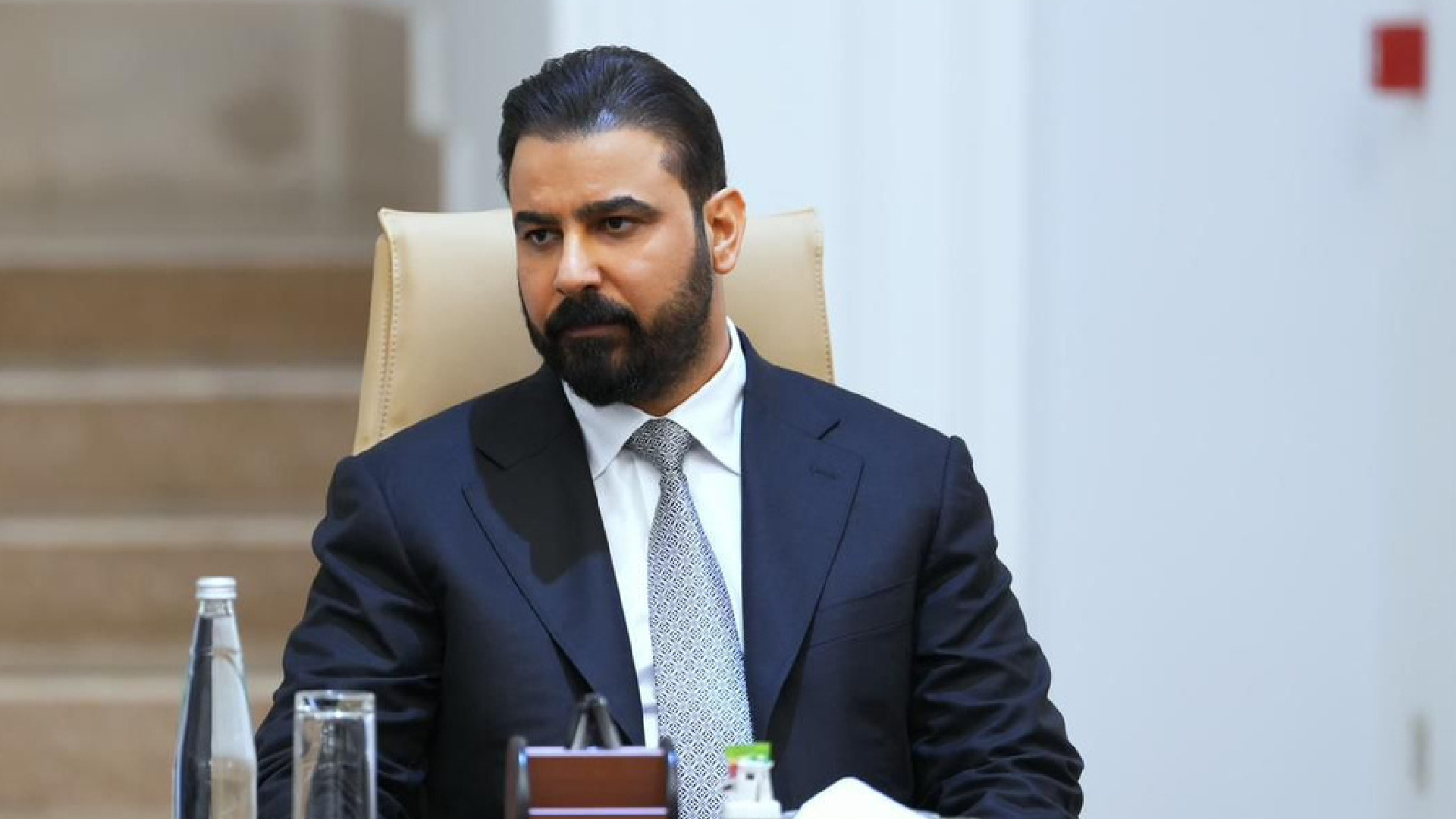
ERBIL (Kurdistan 24) - A report published on Monday by The Wall Street Journal says Iraqi businessman Ali al Zaidi has emerged as the likely next prime minister of Iraq, backed by U.S. President Donald Trump, amid growing American pressure to reduce Iranian influence in Baghdad.
According to the report, the White House's support for Zaidi is tied to demands that Iran-backed militias be excluded from Iraq’s next government and that Tehran’s influence inside Iraqi state institutions be curtailed.
The report states that Zaidi previously came under U.S. scrutiny because he owns shares in Al Janoob Islamic Bank, which the U.S. Treasury blocked from dollar transactions in 2024 over suspicions the bank had links to militia figures connected to Iran’s Islamic Revolutionary Guard Corps (IRGC).
The Wall Street Journal reported that Zaidi became a compromise candidate after Washington opposed the possible return of former Iraqi Prime Minister Nouri al-Maliki, warning Baghdad that U.S. assistance could be cut if pro-Iran figures dominated the next government.
According to Iraqi officials cited in the report, Zaidi’s nomination was informally discussed with both the United States and Iran before being publicly announced. The report added that Zaidi has held phone calls with both Trump and Iranian President Masoud Pezeshkian while attempting to build a parliamentary coalition to secure confirmation as prime minister.
The report also says IRGC Quds Force commander Esmail Qaani visited Baghdad on Sunday and urged Iraqi officials not to exclude militia leaders from government positions or attempt to disarm armed factions.
A senior U.S. State Department official cited in the report said Washington is seeking “concrete actions” against militias that the United States accuses of carrying out roughly 600 attacks against American diplomatic and military facilities in Iraq since the beginning of the U.S.-Iran conflict.
The report further noted that the Trump administration suspended transfers of Iraq’s oil-sale revenues in dollars and halted certain security assistance programs during the conflict period.
Analysts interviewed by the newspaper warned that any effort to weaken militia influence could trigger severe political and security consequences because armed factions have become deeply integrated into Iraq’s political and economic systems.
Former U.S. State Department Iraq policy official Victoria Taylor told the WSJ that militia groups have become “deeply entrenched” within Iraq’s institutions and economy, making any attempt to reduce their power a “challenging and lengthy process.”
The report also revisited allegations involving militia leader Shibl Al Zaidi, who was sanctioned by the U.S. Treasury in 2018 over alleged ties to Iran’s Revolutionary Guard and Hezbollah in Lebanon.
According to the report, Treasury officials suspected Al Janoob Islamic Bank maintained links to Shibl Al Zaidi and Kataib Hezbollah, accusations denied by the bank and militia representatives.
The developments come amid growing regional tensions involving the United States, Iran, Israel, and Iran-backed armed groups, while Washington simultaneously pressures Baghdad to limit militia influence and protect American interests inside Iraq.