Iraq Continues Basra Oil Exports via Kurdistan Pipeline as Hormuz Transit Remains Restricted
Iraqi Oil Ministry Reports Reduced Hormuz Activity, Only Two Tankers Passed Since Ceasefire
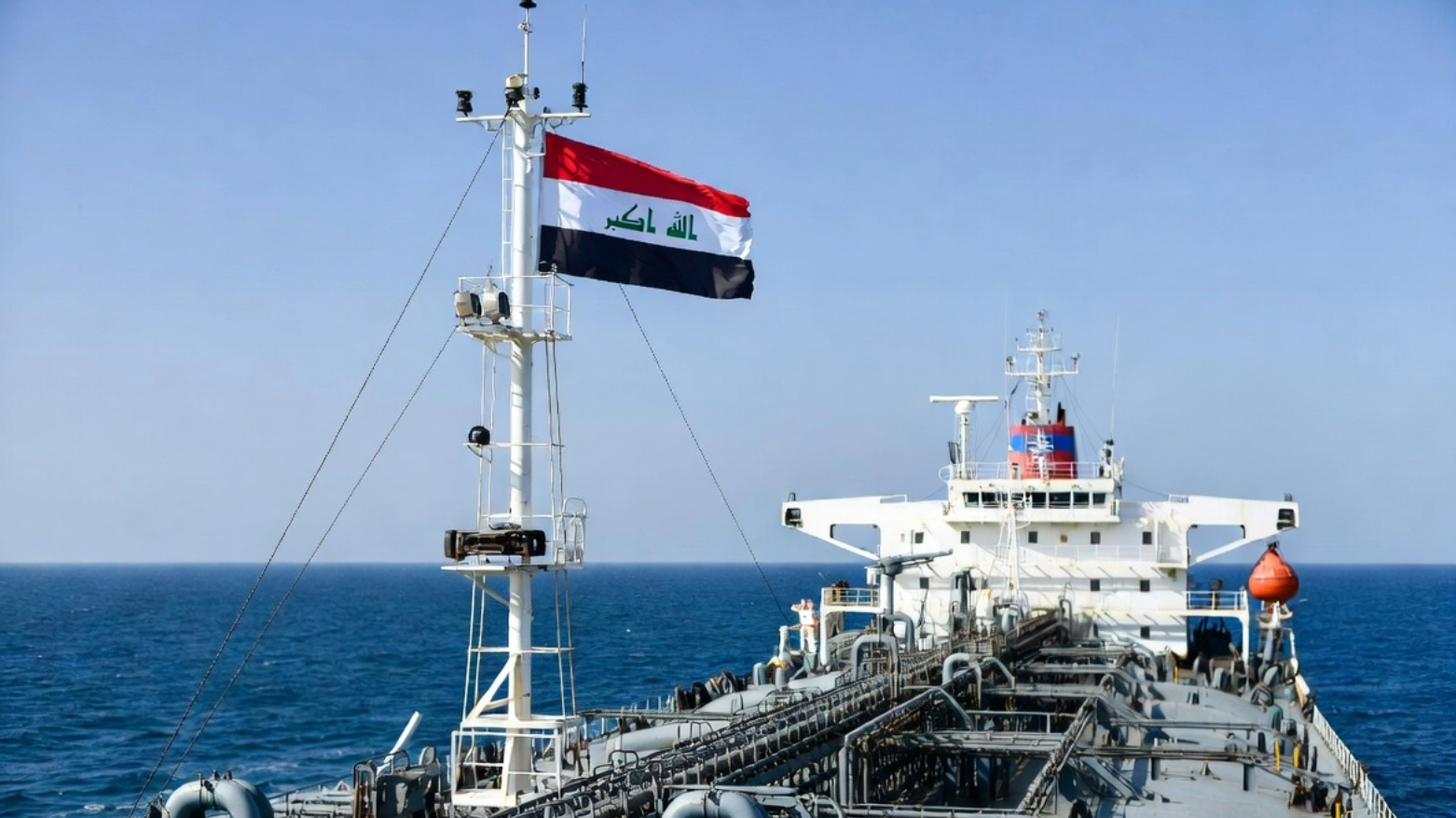
ERBIL (Kurdistan24) - Iraq is maintaining its primary oil export flows through the Kurdistan Region's pipeline network to the Turkish Mediterranean port of Ceyhan, as maritime transit through the strategic Strait of Hormuz remains severely restricted by regional security risks.
According to the Iraqi Ministry of Oil, the use of the Kurdistan Region export corridor has become an essential component of the state's energy strategy during a period of high volatility in the Persian Gulf.
Dr. Sahib al-Bazoun, a spokesperson for the Iraqi Ministry of Oil, confirmed to Kurdistan24 on Monday that the transit of Basra crude via the Kurdistan Region's infrastructure remains fully operational.
The spokesperson emphasized that these activities are being conducted under existing technical and political agreements previously reached between the federal government in Baghdad and regional authorities in Erbil.
This logistical coordination is intended to ensure consistent revenue generation for the Iraqi state, which remains structurally dependent on oil exports for more than 90 percent of its national income.
The strategic pivot toward Kurdistan Region export routes coincides with a period of intense diplomatic activity focused on regional energy security.
Prime Minister Masrour Barzani recently met with Turkish Energy Minister Alparslan Bayraktar in Istanbul to discuss the expansion of energy cooperation between the Kurdistan Region and Türkiye.
According to a statement from the Kurdistan Regional Government (KRG), the discussions focused on strengthening coordination across the oil, electricity, and natural resources sectors.
The expansion of cross-border energy ties is viewed by regional planners as a critical mechanism for ensuring the stability of export flows and reinforcing economic connectivity between Erbil and Ankara amid broader geopolitical shifts.
Shifting Energy Routes in Iraq
The current Iraqi export strategy relies on a diversified framework designed to mitigate the impact of maritime disruptions in the south. According to the Ministry of Oil, the state currently utilizes three primary channels to move its crude to international markets.
In addition to the pipeline through the Kurdistan Region to Ceyhan, Iraq employs land-based tankers to transport "black oil" toward Syria and maintains limited shipments through the Strait of Hormuz to southern ports.
However, the ministry characterized the relationship between Baghdad and the KRG's Ministry of Natural Resources as "good and stable," noting that the Kurdistan pipeline has acted as a vital alternative during a month-long period where southern port operations were paralyzed.
Following the outbreak of the conflict involving the United States, Israel, and Iran on February 28, 2026, the closure of the Strait of Hormuz by the Iranian Revolutionary Guard Corps effectively halted the majority of Iraq's maritime energy trade.
During this crisis, the Kurdistan Region facilitated the continued flow of Iraqi crude by allowing federal authorities to leverage its pipeline capacity.
The strategic importance of this route was further underscored by the Istanbul meeting.
According to the report, Prime Minister Barzani and Minister Bayraktar discussed not only oil transit but also broader regional energy integration, including natural gas development and electricity connectivity.
As Ankara remains one of Erbil's most significant economic partners, the continued functionality of the Ceyhan pipeline serves as a cornerstone for both regional prosperity and Iraqi fiscal stability.
Strait of Hormuz Under Security Pressure
While the Kurdistan Region route remains stable, maritime logistics in the south are navigating a complex and dangerous security environment.
Dr. al-Bazoun pointed out that despite the announcement of a ceasefire in the U.S.-Iran conflict, the Persian Gulf remains a high-risk zone for international shipping.
According to the Ministry of Oil, only two Iraqi oil tankers have successfully transited the Strait of Hormuz since the truce took effect.
Federal officials clarified that many shipping firms and tanker operators are currently avoiding new contracts or loading operations in the region due to the presence of persistent threats.
According to maritime shipping data reported by Iranian media, at least one Iraqi oil tanker did manage to cross the southern shipping lane near Iranian territorial waters on Monday, setting off toward Vietnam and other Asian markets.
However, such movements remain the exception rather than the rule.
The IEA notes that approximately 20 million barrels of crude oil and petroleum products typically pass through the Strait of Hormuz daily.
Following the hostilities earlier this year, Tehran has asserted a high degree of control over the waterway, insisting that vessels pass only with its consent.
This state of restricted access has led to a significant decrease in Iraq's overall exports from southern terminals, forcing the state to prioritize alternative logistical arrangements.
Regional Security and Shipping Incidents
The caution displayed by international shipping firms is driven by a series of violent incidents in the proximity of the strait.
The South Korean government has voiced significant concern following a recent attack on the cargo ship HMM Namo. According to a release from the South Korean presidency, the vessel was targeted by two unidentified aircraft on May 4, 2026, resulting in a fire within the ship.
Park Il, a spokesperson for the South Korean Ministry of Foreign Affairs, stated in a press conference that while surveillance footage captured the attackers, authorities have faced difficulty in precisely determining the origin or type of the aircraft involved.
The South Korean presidency emphasized that it is currently inspecting the remains of objects found at the scene and will respond decisively once the aggressor party is identified.
The HMM Namo was reportedly carrying 24 personnel at the time of the explosion in its engine room.
The attack on the South Korean vessel is one of at least two separate incidents involving the country's shipping in the region this month.
According to the United Kingdom Maritime Trade Operations (UKMTO), another fire was reported on a ship 14 nautical miles west of the UAE port of Saqr.
These incidents have contributed to an atmosphere of profound uncertainty, discouraging the normalization of commercial traffic through the world's most critical energy chokepoint.
Regional Maritime Coordination Efforts
In response to the persistent maritime instability, a multinational effort is underway to secure the Strait of Hormuz.
The British government announced that it will co-host a meeting of defense ministers from more than 40 countries on Tuesday to discuss military plans for restoring the flow of trade.
British Defence Secretary John Healey and his French counterpart, Catherine Vautrin, will chair the session, which follows preliminary technical meetings held in London last April.
According to a statement from the British Ministry of Defence, the objective of the multinational mission is to transform diplomatic agreements into practical military frameworks that can restore market confidence.
The meeting occurs as France and Britain increase their naval presence in the Middle East; Paris has deployed the aircraft carrier Charles de Gaulle, while London has dispatched the warship HMS Dragon to the region.
However, these movements have drawn warnings from Tehran.
Kazem Gharibabadi, the Iranian Deputy Foreign Minister, stated that the presence of foreign warships in the strait would be met with a "decisive and rapid response."
Iranian officials maintain that only the Islamic Republic possesses the capability to establish security in the waterway.
In an attempt to de-escalate the rhetoric, French President Emmanuel Macron stated that Paris is considering a security mission "coordinated with Iran," while simultaneously rejecting any efforts to impose taxes or tolls on international shipping passing through the strait.
Global Oil Markets React
The intersection of failed diplomacy and maritime risk has triggered immediate reactions in global energy markets.
Oil prices saw a significant jump on Monday morning following U.S. President Donald Trump's rejection of Iran's response to a Washington-backed peace proposal.
According to Iranian state television, Tehran's counter-proposal insisted on war reparations, full sovereignty over the Strait of Hormuz, and an end to the naval blockade of Iranian ports.
President Trump dismissed the Iranian response as "totally unacceptable" via the Truth Social platform.
This diplomatic impasse, combined with the continued threat to shipping, caused Brent crude to rise by 3.17 percent, reaching $104.50 per barrel. West Texas Intermediate (WTI) crude saw a similar increase of 3.21 percent, trading at $98.48 per barrel.
The rise in energy prices has placed significant domestic pressure on the U.S. administration ahead of the upcoming Congressional elections.
According to reports, President Trump is scheduled to meet with Chinese President Xi Jinping in Beijing on Wednesday to discuss the energy crisis. Washington is expected to press China, a major purchaser of Iranian oil, to use its influence to push Tehran toward a definitive settlement.
The continuity of Iraq's oil exports remains contingent on a delicate balance of alternative pipeline logistics and high-level regional coordination.
While the Kurdistan pipeline provides a crucial relief valve for Basra crude, the broader regional energy security environment is defined by the ongoing restrictions in the Strait of Hormuz and a lack of diplomatic consensus between major powers.
As 40 nations prepare to meet to discuss a collective maritime protection framework, and global markets react to the latest diplomatic setbacks, the strategic importance of cross-border cooperation remains paramount.
According to regional officials, the stability of Middle Eastern energy supplies will ultimately depend on the ability of local and international actors to secure maritime corridors while maintaining the integrity of alternative land-based infrastructure.
This article was updated on Monday, May 11, 2026, at 12:37pm. Background details were added to the article.