Hezbollah Chief Says Group’s Weapons ‘Not Part of Negotiations’ Ahead of Lebanon-Israel Talks
Hezbollah leader Naim Qassem vowed continued resistance, saying the group would not surrender and would turn the battlefield into “hell for Israel.”
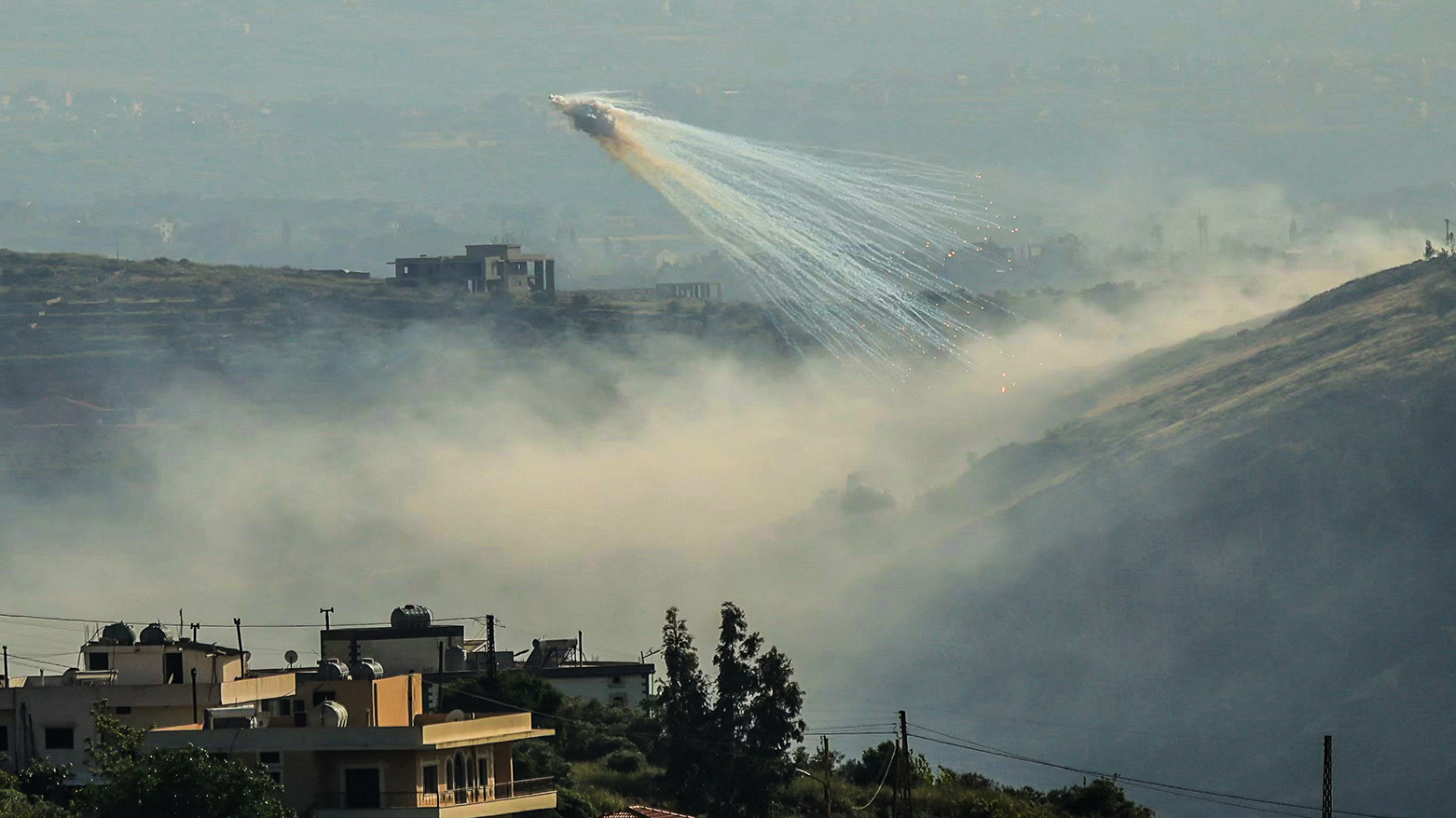
ERBIL (Kurdistan24) — Hezbollah leader Naim Qassem said Tuesday that the Iran-backed group’s weapons would not be discussed in upcoming negotiations between Lebanon and Israel, vowing that Hezbollah fighters would turn the battlefield into “hell” for Israeli forces as clashes continue despite a ceasefire.
In a written statement addressed to Hezbollah fighters and broadcast by the group’s Al-Manar television channel, Qassem rejected any foreign involvement in discussions concerning Hezbollah’s arsenal ahead of a new round of talks between Lebanese and Israeli representatives scheduled for Thursday and Friday in Washington.
“Nobody outside Lebanon has anything to do with the weapons, the resistance... this is an internal Lebanese matter and not part of negotiations with the enemy,” Qassem said.
“We will not surrender, and we will continue to defend Lebanon and its people, however long it takes and however great the sacrifices,” he added. “We will not abandon the battlefield, and we will turn it into hell for Israel.”
The remarks came as Lebanese officials intensified diplomatic efforts to halt Israeli strikes that have continued across Lebanon despite a ceasefire reached on April 17 in the Israel-Hezbollah conflict.
Lebanese President Joseph Aoun and Prime Minister Nawaf Salam separately met U.S. Ambassador to Beirut Michel Issa ahead of the Washington talks, urging the United States to pressure Israel into ending its military operations.
Salam said he asked the ambassador to “exert pressure on Israel to stop the ongoing attacks and violations, to consolidate the ceasefire.”
Israel has significantly escalated its attacks in recent days, with strikes reaching areas roughly 20 kilometers (12 miles) from Beirut over the weekend.
On Monday, Lebanon’s National News Agency (NNA) reported Israeli airstrikes targeting more than 30 locations in southern and eastern Lebanon.
The agency also reported casualties in several areas, including in the southern town of Zebdine, where an Israeli drone strike reportedly hit two people while they were distributing bread to residents using a municipal vehicle.
Lebanese authorities said the overall death toll from Israeli strikes since March 2 has risen to 2,869 people, including dozens killed after the ceasefire took effect.
Meanwhile, Israel’s military announced that one Israeli soldier was killed in fighting near the Lebanese border a day earlier, bringing Israeli losses since the conflict began to 18 soldiers and one civilian contractor.
Under the terms of the U.S.-backed ceasefire agreement, Israel reserves the right to act against what it describes as “planned, imminent or ongoing attacks.”
The Israeli military on Monday issued evacuation warnings for seven towns in southern Lebanon and two additional towns in the eastern Bekaa Valley ahead of planned strikes.
The NNA reported a “large wave of displacement” in the West Bekaa region as hundreds of families fled the targeted areas. Lebanese authorities estimate that more than one million people have been displaced since the war began.
Hezbollah claimed responsibility for at least 20 attacks against Israeli military targets in southern Lebanon, including engineering and bulldozing equipment, saying the operations were carried out in retaliation for Israeli ceasefire violations.
The Israeli army said two Hezbollah drones damaged “unmanned engineering vehicles” in southern Lebanon and claimed its forces had eliminated a Hezbollah militant cell in the area.
The current conflict erupted after Hezbollah launched rockets into Israel on March 2 following the killing of Iran’s supreme leader in joint U.S.-Israeli strikes, drawing Lebanon deeper into the wider regional confrontation.
Israel responded with extensive airstrikes and a ground invasion into southern Lebanon. Israeli forces continue to operate inside a self-declared “yellow line” extending roughly 10 kilometers (six miles) north of the border, where Lebanese residents have been warned not to return.
In an interview with Saudi Arabia’s Al Arabiya television channel on Sunday, Prime Minister Salam said Lebanon was now “facing the occupation of 68 Lebanese villages as a result of this war that was imposed on us.”