Prime Minister al-Zaidi Orders Ministers to Disclose Wealth Within One Week in First Major Cabinet Directive
Iraqi Prime Minister launches sweeping governance reforms, freezes reshuffles, and sets strict transparency deadlines in inaugural cabinet meeting
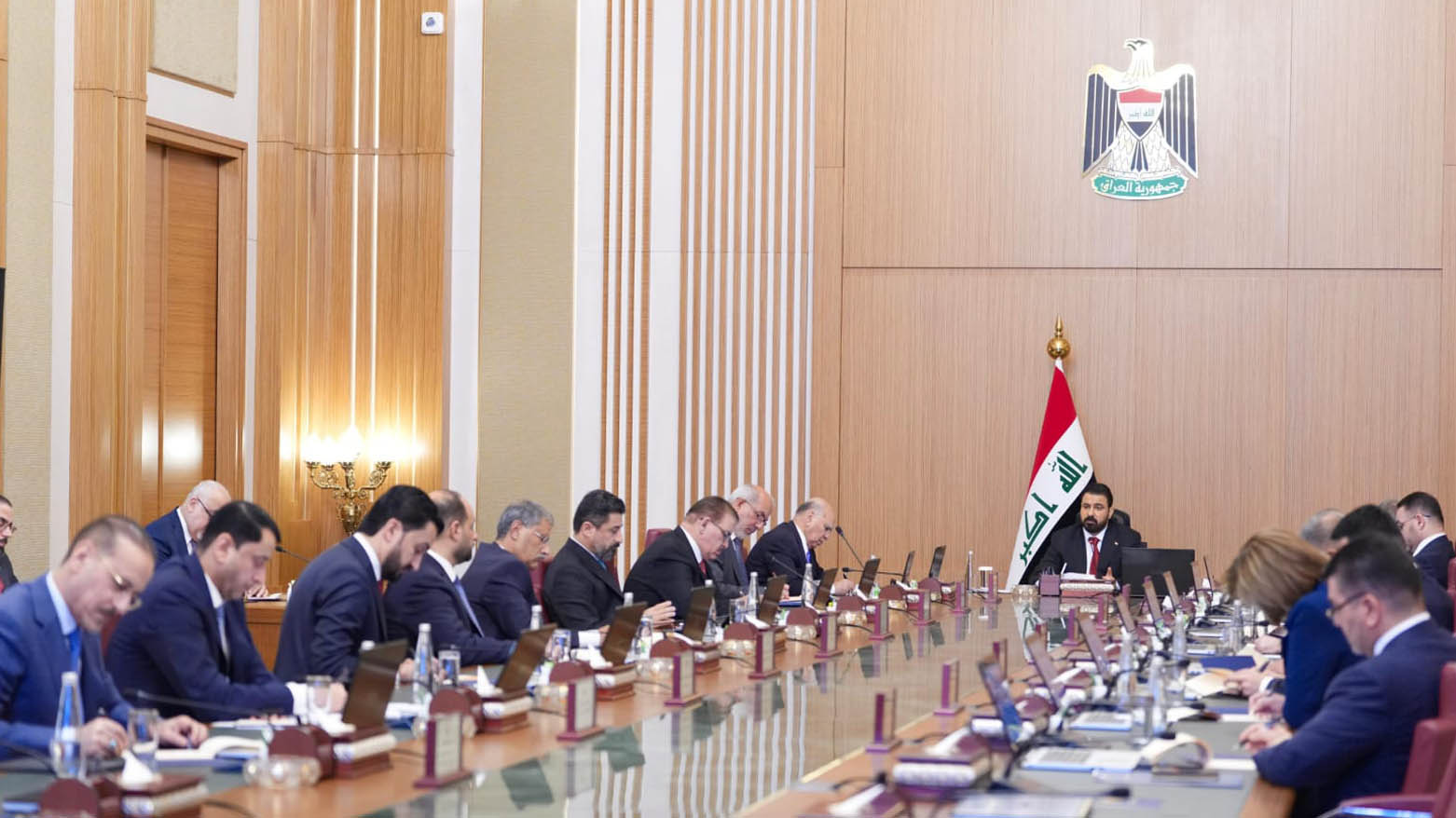
ERBIL (Kurdistan24) — Iraq’s new federal government has issued a sweeping transparency and reform directive requiring all ministers to disclose their wealth within one week, marking one of the first major policy moves by Prime Minister Ali Faleh al-Zaidi during the inaugural cabinet session held on Saturday.
Chairing the first regular meeting of the Council of Ministers, Prime Minister al-Zaidi presented a comprehensive package of instructions to newly appointed ministers, according to a statement from the Prime Minister’s Office.
The measures place immediate emphasis on financial disclosure, administrative discipline, and structured governance planning across all ministries.
Ministers are now required to submit full declarations of their personal wealth within seven days. The directive also includes a temporary freeze on ministerial restructuring processes, while each ministry must define its institutional priorities within 30 days to ensure alignment with the government’s broader program.
According to the statement, Prime Minister al-Zaidi said the measures are designed as a roadmap for implementing government policies, with a focus on improving public services, strengthening economic performance, and enhancing institutional efficiency.
The government’s broader set of directives further outlines a wide-ranging reform agenda aimed at restructuring Iraq’s economic and administrative systems. Ministers are instructed to establish clear institutional priorities that will be integrated into the national government program within 30 days.
Ministerial office directors must be selected exclusively from within their respective ministries, reinforcing internal administrative accountability.
The prime minister also emphasized the need to ensure full parliamentary oversight and to facilitate the legislative and monitoring role of the Council of Representatives, alongside improving coordination with parliamentary committees.
In the diplomatic field, ministries were instructed to conduct relations with Arab and foreign ambassadors strictly through official channels, in coordination with the Ministry of Foreign Affairs and in a manner consistent with Iraq’s national interests.
On governance and public administration, ministries were urged to streamline procedures for citizens and improve service delivery mechanisms.
Strong priority was also placed on anti-corruption efforts, including enhanced cooperation with the Federal Integrity Commission and measures to recover Iraqi funds transferred abroad.
Economic and sectoral reforms form another central pillar of the government’s agenda. The Ministry of Oil was instructed to shift beyond crude exports and develop value-added production capabilities, expand export capacity, and support broader industrial growth within the energy sector.
The Ministry of Foreign Affairs was tasked with preparing urgent reports on Iraq’s diplomatic repositioning across Arab, regional, and international relations.
The Ministry of Electricity was directed to prepare both short-term and long-term strategies to address recurring summer electricity shortages and to develop a more stable national power grid.
The Ministry of Health was also instructed to accelerate the implementation of the national health insurance law.
In the transport and communications sector, the government called for accelerated digital transformation and the expansion of e-governance across state institutions.
The Ministry of Transport was further urged to actively support national economic development through the implementation of the “Development Road” project, aimed at integrating Iraq into global trade and logistics networks.
The directives mark an early signal of the new government’s focus on transparency, institutional discipline, and economic restructuring as it begins its mandate.