Iran Launches ‘Hormuz Safe’ Insurance Platform as Maritime Tensions Deepen in Strait of Hormuz
Tehran’s new crypto-based shipping insurance initiative emerges amid U.S. naval blockade, growing sanctions pressure, and fears over global energy security
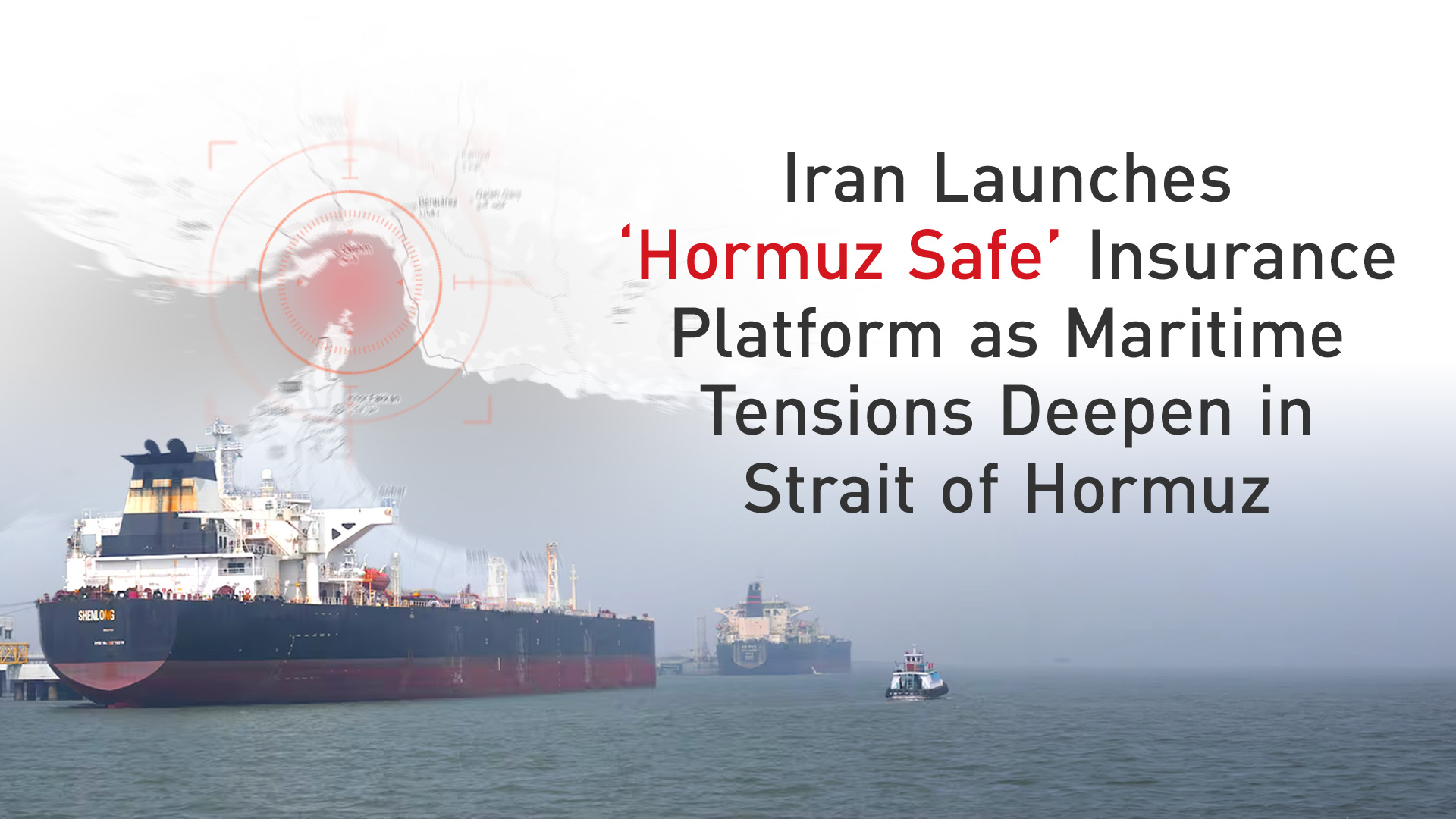
ERBIL (Kurdistan 24) - Iran has reportedly launched a new maritime insurance platform called “Hormuz Safe” aimed at providing insurance coverage for commercial vessels crossing the Strait of Hormuz, in what analysts and Western observers may view as another Iranian attempt to formalize its growing leverage over one of the world’s most strategic energy corridors.
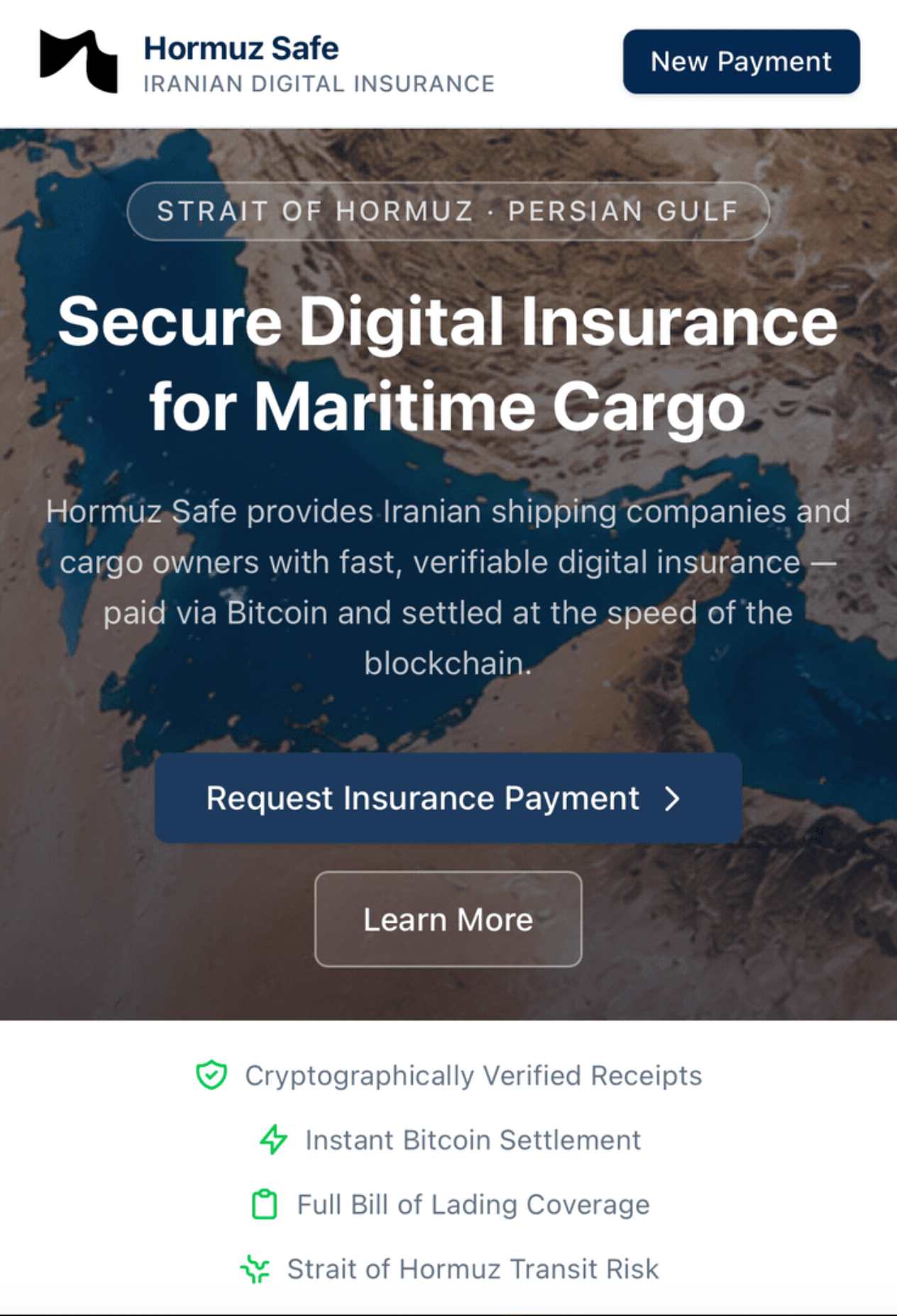
According to the Iranian Fars Agency report on Sunday, the platform, named Hormuz Safe, is being presented as the only Iranian sovereign-backed insurance mechanism for vessels seeking what Tehran describes as “safe passage” through the Strait of Hormuz and nearby Gulf waterways.
The platform reportedly offers rapid maritime insurance services, digitally verified coverage certificates, and encrypted authentication systems for ships operating in the Persian Gulf, Strait of Hormuz, and surrounding maritime routes. Iranian reports also state that payments for the insurance services would be settled using cryptocurrency, including Bitcoin.
Documents cited by Iran’s Fars News Agency reportedly show that Iran’s Economy Ministry has been working since early May on a broader strategy aimed at managing shipping traffic through Hormuz via insurance, financial liability guarantees, and maritime certification systems.
Iranian media claims the initiative could eventually generate more than $10 billion in revenue if widely adopted.
The United States and its allies have long accused Iran of attempting to weaponize maritime access through the Strait of Hormuz during periods of regional confrontation.
Washington also maintains extensive sanctions targeting Iranian shipping, financial transactions, oil exports, and entities connected to Iran’s Revolutionary Guard Corps.
The use of cryptocurrency-based settlements could further intensify scrutiny from U.S. authorities because Washington has repeatedly accused Tehran of using digital financial systems to bypass sanctions and international banking restrictions.
The development comes amid one of the most severe maritime crises in the Gulf in decades following the U.S.-Israeli war with Iran that began on Feb. 28.
Since then, Iran has increasingly tightened its grip over maritime movement through the Strait of Hormuz, while the United States launched a naval blockade aimed at restricting Iranian commercial exports and shipping activity.
The confrontation has significantly disrupted global energy markets because nearly 20% of the world’s oil and liquefied natural gas trade normally passes through the Strait.
In recent weeks:
- Multiple oil tankers have reportedly become stranded,
- Shipping insurance costs have surged,
- Global energy prices have experienced sharp volatility.
Bloomberg reported on Wednesday that U.S. naval forces blocked or redirected several commercial vessels near the Gulf, including a Greek-operated tanker carrying nearly 2 million barrels of Iraqi crude oil bound for Vietnam.
At the same time, ship-tracking data cited by Bloomberg indicated that some Chinese and Iranian-linked vessels were still able to navigate through parts of the Strait despite the maritime restrictions and growing military tensions.
Western analysts increasingly view Tehran’s latest insurance initiative as part of a broader Iranian effort to normalize long-term administrative and economic control over shipping flows through Hormuz during the ongoing standoff with Washington.
However, major questions remain over:
- whether international shipping companies would recognize Iranian-issued maritime insurance,
- whether global insurers would accept the legal validity of such coverage,
- and whether ships using the system could face secondary U.S. sanctions.
So far, there has been no official response from the White House, Pentagon, major Western maritime insurers, or Gulf governments regarding the reported launch of the Hormuz Safe platform.