Rubio Suggests U.S.-Iran Diplomatic Breakthrough Could Come Within Hours
The U.S. and Iran are reportedly nearing a deal to end the Middle East war, with Marco Rubio saying progress could come within hours. The draft framework includes Iran giving up enriched uranium and reopening the Strait of Hormuz, while Israel has voiced deep security concerns.
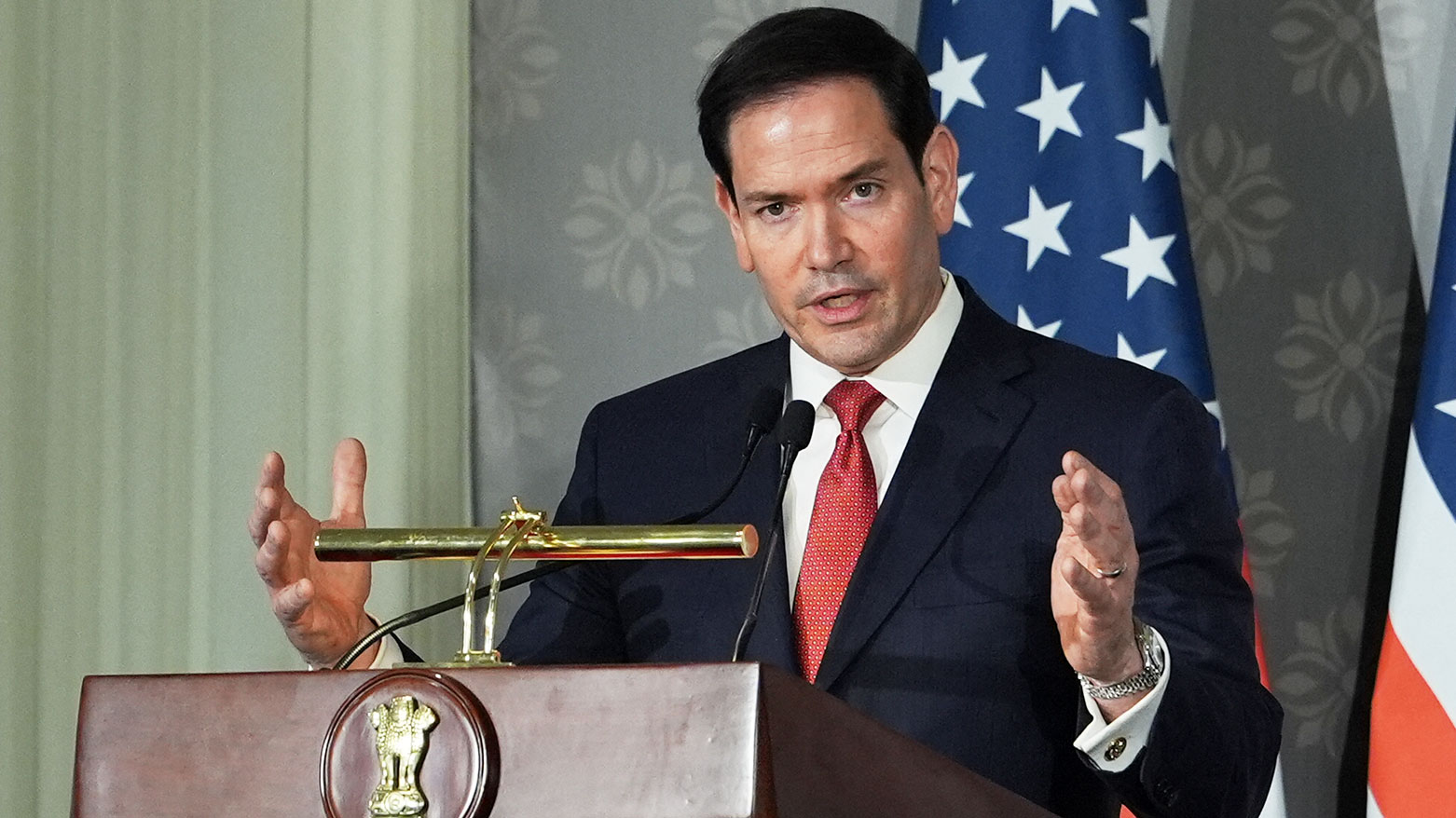
ERBIL (Kurdistan24) - The United States and Iran are reportedly nearing a breakthrough deal to end the protracted Middle East war, with U.S. Secretary of State Marco Rubio suggesting on Sunday that positive news could emerge within hours. This diplomatic acceleration, confirmed by President Donald Trump who described the agreement as "largely negotiated," signals a potential de-escalation in a conflict that has reshaped regional geopolitics and energy markets.
The draft framework, according to reporting by Agence France-Presse (AFP), is expected to include Iran's agreement to relinquish its stockpile of highly enriched uranium, a crucial concession that could pave the way for a broader resolution.
This commitment, while critical, is slated to be finalized in a subsequent 60-day negotiation phase, following the initial signing of a Memorandum of Understanding (MOU).
Iran's stance, however, suggests that discussions on its nuclear program will be deferred, a point of contention for international observers.
The proposed agreement aims to restore pre-war levels of passage through the Strait of Hormuz, a vital global oil chokepoint that Iran had blockaded.
In exchange for Iran's concessions on uranium enrichment and maritime controls, Washington is reportedly prepared to offer temporary sanctions relief and facilitate the release of billions of dollars in frozen Iranian assets.
Iranian officials, as reported by the Fars News Agency, have indicated that the MOU will also cover the ending of hostilities, the gradual reopening of the Strait, and the removal of U.S. naval blockades.
This impending diplomatic development, however, has generated significant anxiety within Israel.
Israeli political and security circles have entered a state of high alert, with Channel 13 reporting that Prime Minister Benjamin Netanyahu has convened urgent security meetings.
Israeli sources expressed deep concern that the emerging deal may sideline critical security demands, particularly regarding Iran's ballistic missile development and the precise nature of its uranium enrichment activities.
The New York Times has further reported that Israel was allegedly excluded from key portions of the negotiation process, fueling suspicions that its security interests might be overlooked.
The diplomatic push is underpinned by extensive regional coordination, with President Trump engaging in a series of telephone calls with leaders from Saudi Arabia, the UAE, Qatar, Egypt, Jordan, Bahrain, Türkiye, and Pakistan.
Pakistan, which has previously mediated direct talks between Washington and Tehran, has reiterated its readiness to host a future round of negotiations.
Prime Minister Shehbaz Sharif emphasized his country's commitment to achieving lasting peace through its role as a neutral mediator, noting that these efforts have been bolstered by consultations with Pakistan's army chief, General Asim Munir, who recently visited Tehran.
The broader security context remains tense, with ongoing clashes reported on the Lebanese front despite an April 17 ceasefire.
While the prospect of a U.S.-Iran deal offers hope for de-escalation, Iranian officials, including chief negotiator Mohammad Baqer Qalibaf, have issued stern warnings against renewed hostilities. Qalibaf stated that Iran's armed forces have been significantly rebuilt during the ceasefire, suggesting any future U.S. military action would be met with a far more severe response.
The potential agreement, while promising a reprieve from war and the reopening of vital shipping lanes, also highlights the complex web of regional rivalries and security concerns that continue to shape the Middle East's geopolitical landscape.
The coming days will be critical in determining whether the diplomatic momentum translates into a lasting peace or if entrenched disputes, particularly regarding Iran's nuclear ambitions, will derail the process.