KRG Offers Runaki Electricity Model to Baghdad for National Energy Reform
Dr. Omed Sabah said the KRG has offered to share the Kurdistan Region's "Runaki" electricity model with Baghdad, with Iraqi officials welcoming the initiative. Talks also focused on salaries, oil exports, security guarantees for energy sites, customs coordination, and retiree entitlements.
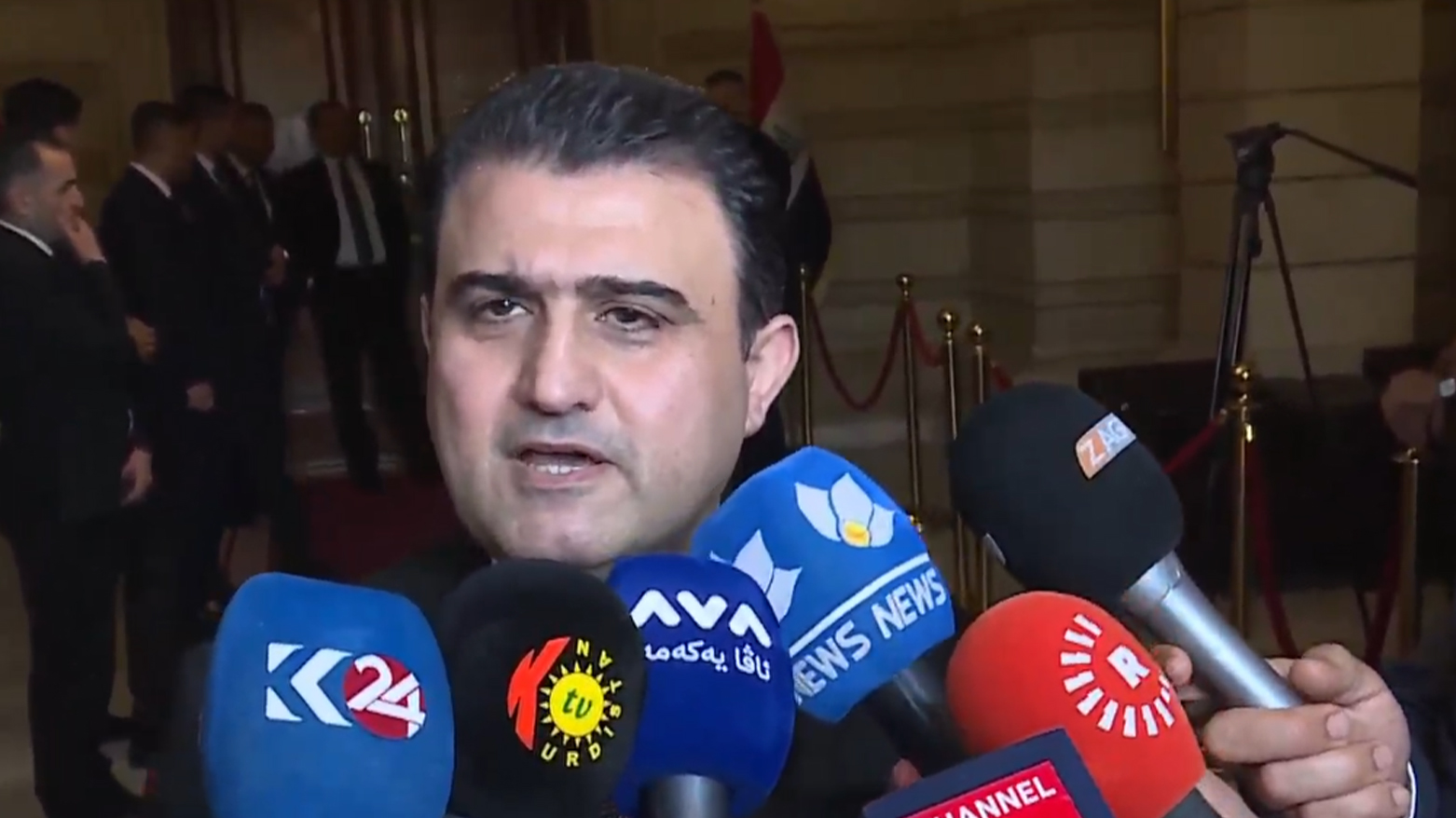
ERBIL (Kurdistan24) - Dr. Omed Sabah, the Head of the Diwan of the Kurdistan Region Council of Ministers, announced on Sunday that the Kurdistan Regional Government (KRG) has presented a significant initiative to share its electricity sector expertise with federal authorities in Baghdad. The proposal, centered on the transfer of Erbil's "Runaki" electricity project model, highlights a growing emphasis on technical and institutional partnership between the two governments.
Speaking during a press briefing amid Prime Minister Masrour Barzani's high-level diplomatic mission to the Iraqi capital, Dr. Sabah indicated that the federal government has welcomed the KRG's offer to coordinate on energy infrastructure.
According to Sabah, the Iraqi Prime Minister expressed his approval of the initiative, which aims to utilize the Kurdistan Region's successful "Runaki" (Light) project as a blueprint for wider energy reform.
The proposed cooperation marks a shift in the Erbil-Baghdad dynamic, positioning the Kurdistan Region as a governance and infrastructure partner capable of assisting with Iraq's chronic energy challenges.
This initiative is part of a broader push by Prime Minister Barzani to secure "radical solutions" to long-standing disputes through institutional coordination rather than temporary political settlements.
Beyond the energy sector, Dr. Sabah outlined progress on several critical economic and fiscal files.
Regarding the regular disbursement of public sector salaries and the management of non-oil revenues, he emphasized that the KRG has completed all necessary preparations for detailed discussions with Baghdad.
Sabah reiterated that the regional government remains committed to fulfilling its constitutional obligations to ensure that financial entitlements for salary earners are provided without future administrative delays.
A major focus of the upcoming weeks will be the resumption of the Kurdistan Region's oil exports.
Dr. Sabah revealed that a high-level delegation, comprising officials from the Ministry of Natural Resources and representatives from international oil companies (IOCs), is scheduled to travel to Baghdad following the Eid al-Adha holiday.
A central theme of these talks will be the provision of security guarantees for oil fields, a key demand from IOCs operating in the Region. Sabah noted that the Iraqi Prime Minister has personally pledged to provide these guarantees to ensure that attacks on energy infrastructure do not recur.
The KRG maintains that a swift resumption of oil exports remains a top priority for regional and national economic stability.
Technical cooperation has also extended to customs and administrative systems.
Dr. Sabah confirmed that the implementation of the ASYCUDA automated customs data system has been largely settled. The KRG has submitted an official letter to the Iraqi Economic Council, and the process is currently in the final stages of administrative signatures.
Furthermore, the KRG is engaging with federal ministries to address the entitlements of retirees, a file that Sabah described as a detailed matter requiring further specialized ministerial-level dialogue to reach a comprehensive conclusion.
Collectively, these developments reflect a concerted effort by Erbil and Baghdad to move toward a more normalized and predictable federal relationship.
By integrating technical systems like ASYCUDA and sharing infrastructure models like the Runaki project, both governments are working to establish a framework for long-term economic and security stability within the Iraqi federal system.
These institutional advancements, coupled with the ongoing political outreach in the capital, underscore a mutual desire to resolve outstanding disputes through constitutional adherence and practical cooperation.