Kurdistan Region Forecasts Record Eid Tourism Influx Across Provinces
Kurdistan Region enters Eid al-Adha with coordinated tourism plans across Erbil, Sulaimani, Duhok, Soran, and Halabja. Officials expect hundreds of thousands to close to one million visitors, building on strong 2026 inflows, as tourism is increasingly positioned as a key non-oil economic driver.
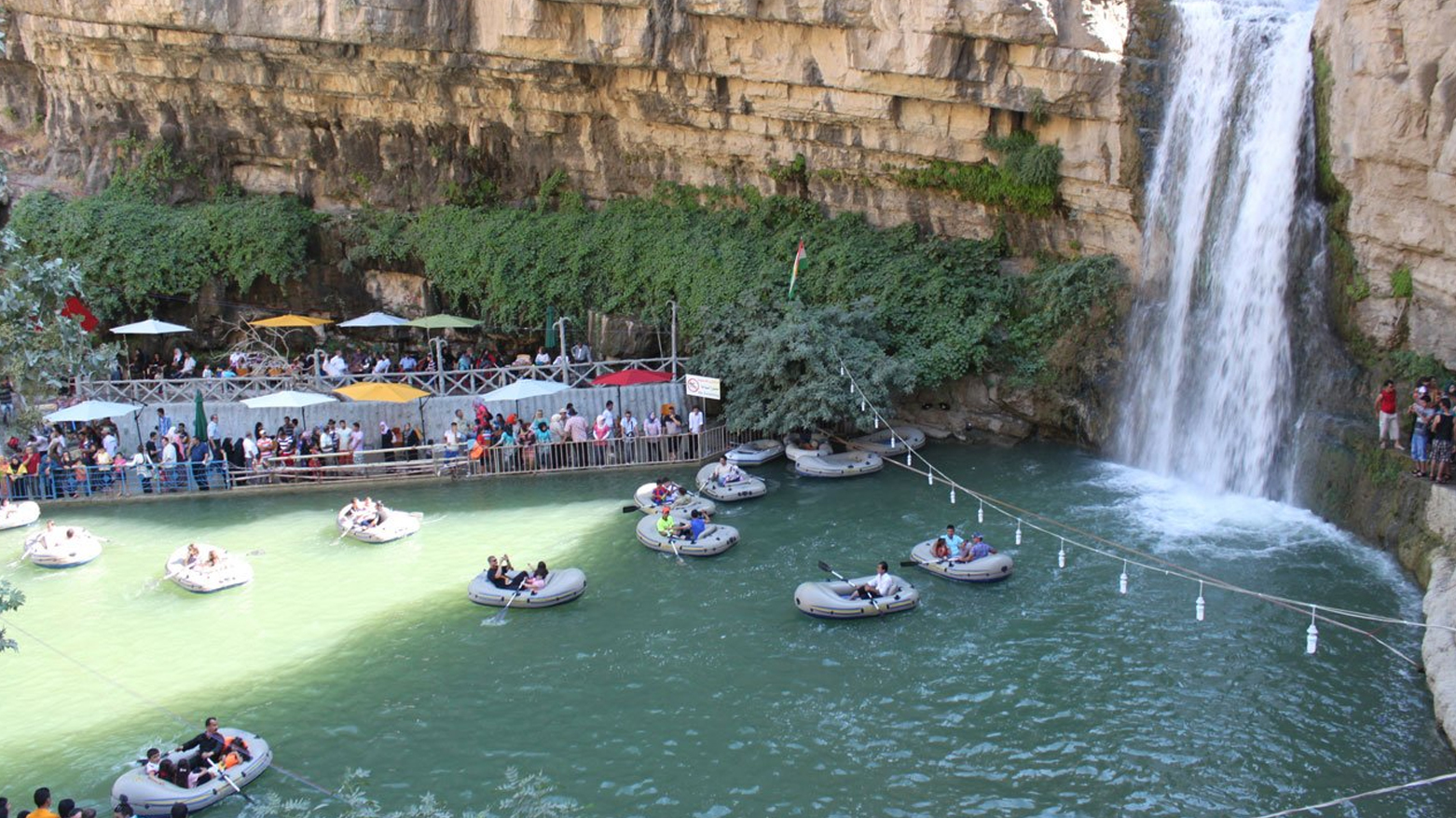
ERBIL (Kurdistan24) - As the Kurdistan Region enters a five-day public holiday for Eid al-Adha, provincial tourism directorates and independent administrations have launched a coordinated nationwide strategy to manage a massive influx of visitors.
With early-year data suggesting record-breaking interest in the Region's natural and urban attractions, tourism officials predict that hundreds of thousands, and potentially up to one million people, will transit through the Region's borders and checkpoints during the holiday period.
The anticipated surge comes on the heels of a highly successful first quarter for the sector.
In the first four months of 2026 alone, the provincial capital of Erbil recorded over 860,000 visitors, signaling a robust recovery and growth trend that authorities expect to culminate in a historic seasonal peak.
Across Erbil, Duhok, Soran, and Halabja, the mobilization of monitoring teams, multilingual guides, and digital complaint systems reflects a broader institutional effort to position tourism as a primary non-oil economic engine for the Kurdistan Region.
Erbil: The First Gateway for Mass Tourism
As the primary entry point for travelers arriving from central and southern Iraq, as well as international flights, Erbil has prepared an extensive logistical framework to handle the holiday crowds.
According to Nariman Fazil, the spokesperson for the General Directorate of Erbil Tourism, the province has already demonstrated significant momentum this year.
Between January and the end of April 2026, a total of 861,501 tourists were officially recorded entering the province.
"Our teams are currently stationed at all entrances and checkpoints to receive the wave of tourists," Fazil told Kurdistan24 in a special briefing on Tuesday.
He emphasized that the readiness plan extends beyond the border crossings; oversight committees have been deployed across the city to conduct rigorous inspections of hotels, restaurants, and tourist clubs.
These measures are designed to ensure that service quality remains high and that no administrative or logistical obstacles hinder the visitor experience.
While Fazil noted that a precise figure for the Eid period remains difficult to forecast, he confirmed that the province is prepared for its "highest number of tourists" to date.
Sulaimani: Full Preparation
The General Directorate of Sulaimani Tourism announces that all its teams are on standby to receive and assist those tourists who turn to the province to spend the Eid holidays.
Goran Qadir, the spokesperson for the General Directorate of Sulaimani Tourism, stated in a remark to the Kurdistan24 website, "For two days, we have been busy with preparations to receive those tourists who are heading toward Sulaimani province from the cities of central and southern Iraq and other places."
The Sulaimani tourism spokesperson also pointed out that all their teams have been placed on standby to provide necessary assistance and guidance to tourists.
He added: "We have opened a tourist information center on Salim Street in Sulaimani city, and it will be active throughout the days of Eid and the holidays to serve tourists."
On the other hand, Goran Qadir provided assurance that at all those checkpoints through which tourists enter the province, full preparations have been made to receive them in a worthy manner and provide them with facilitation, so they can spend their time in tourist areas without obstacles.
Duhok: Digital Tools and Environmental Focus
In the northwestern province of Duhok, the tourism strategy has adopted a dual focus on technological integration and ecological preservation.
The province currently maintains 750 licensed tourism centers and boasts a nightly accommodation capacity of 15,000 to 17,000 guests.
Beyond its urban hospitality, Duhok manages between 200 and 250 natural tourist sites that remain a significant draw for regional travelers.
Shemal Jafar, the spokesperson for the Duhok Tourism Directorate, outlined several innovations introduced for this season.
To streamline communication, authorities have issued special visitor cards equipped with QR codes and dedicated contact numbers for immediate assistance or complaints.
"This allows tourists to make contact easily and ensures that our teams can monitor the quality of services in real-time," Jafar stated.
A central pillar of Duhok's plan is an environmental protection campaign, a move directly aligned with the policy guidance of the Kurdistan Regional Government (KRG) Ninth Cabinet.
A specialized committee has been tasked with distributing educational posters and publishing environmental instructions across social media networks to encourage sustainable tourism.
Jafar noted that the directorate held high-level meetings with the local hotel and restaurant associations to synchronize their efforts in providing "the best possible service" while protecting the province's natural landscape.
Soran: Mountain Resorts and Festive Programming
The Soran Independent Administration, renowned for its mountainous geography and cooler climate, is focusing on event-driven tourism.
Key destinations such as Korek Mountain, Shinglbana, and Prizhe are set to host a variety of cultural festivals, including music and song performances tailored for holiday guests.
Despite regional security considerations, officials in Soran report that tourist interest remains undeterred.
Kamal Khodad, the spokesperson for Soran Independent Administration Tourism, told Kurdistan24 that while there is some public anxiety regarding regional drone threats, the "suitable climate and breathtaking landscape" continue to attract large crowds.
Khodad highlighted the Haji Omaran border crossing as a major point of congestion, noting that the final influx statistics will be released following the conclusion of the holiday, but early indicators suggest a high-occupancy season for the administration's resorts.
Halabja: Nature, Optimism, and Coordination on the Ground
In Halabja Province, officials are expressing a high degree of optimism fueled by exceptionally heavy seasonal rainfall, which has significantly enhanced the region's natural appeal.
Chia Qasim, the Director of Halabja Tourism, told Kurdistan24 that the province predicts more than 100,000 tourists will arrive during the Eid break.
To facilitate this movement, Halabja has deployed monitoring teams at all major tourist centers and natural border sites.
A unique feature of the province's readiness plan is the deployment of multilingual youth teams, comprising young men and women proficient in several languages, to assist and guide international and domestic tourists.
Qasim, who is personally supervising operations on the ground, emphasized that the province has achieved 100% readiness through close coordination between the tourism police, civil defense, and traffic police.
"We have had no significant unwanted incidents, and drowning rates are at their lowest levels," Qasim reassured, pointing to a secure and peaceful environment for all visitors.
Tourism as an Emerging Economic Engine
The regional mobilization for Eid al-Adha reflects a strategic shift in the Kurdistan Region's economic planning.
The rapid growth of tourism inflows, moving from seasonal anomalies to consistent record-breaking figures, has forced a modernization of service infrastructure and regulatory oversight.
By integrating border security, traffic management, and hospitality standards, the KRG is attempting to build a resilient sector capable of supporting long-term economic stability.
The economic impact of the Eid season is profound, providing a vital stimulus for private sector businesses, from large-scale hotel chains in Erbil and Duhok to small-scale vendors in the mountain resorts of Soran.
This seasonal peak serves as a laboratory for the Region's broader ambition: transforming the Kurdistan Region into a premier year-round destination in the Middle East.
A Region Preparing for Peak Mobility
As the holiday commences, the Kurdistan Region stands in a state of comprehensive readiness.
The unified approach across provinces and independent administrations suggests a maturing administrative apparatus capable of managing high-volume human mobility.
With an emphasis on safety, coordination, and service quality, authorities are focused on ensuring that the expected hundreds of thousands of tourists experience a peaceful and orderly Eid.
The coming days will be a critical test of the Region's infrastructure and hospitality capacity.
However, with record numbers already documented in the early months of the year, tourism officials remain confident that the sector is on track to become a dominant force in the Kurdistan Region's evolving economy, far beyond the seasonal surge of the Eid holidays.