UN Warns of Escalation in Ukraine as Europe Debates Russia Talks and Ukraine Eyes Gripen Deal
As civilian casualties rise and Moscow intensifies strikes, diplomatic tensions grow over Europe’s role, while Sweden signals major air defense support for Ukraine
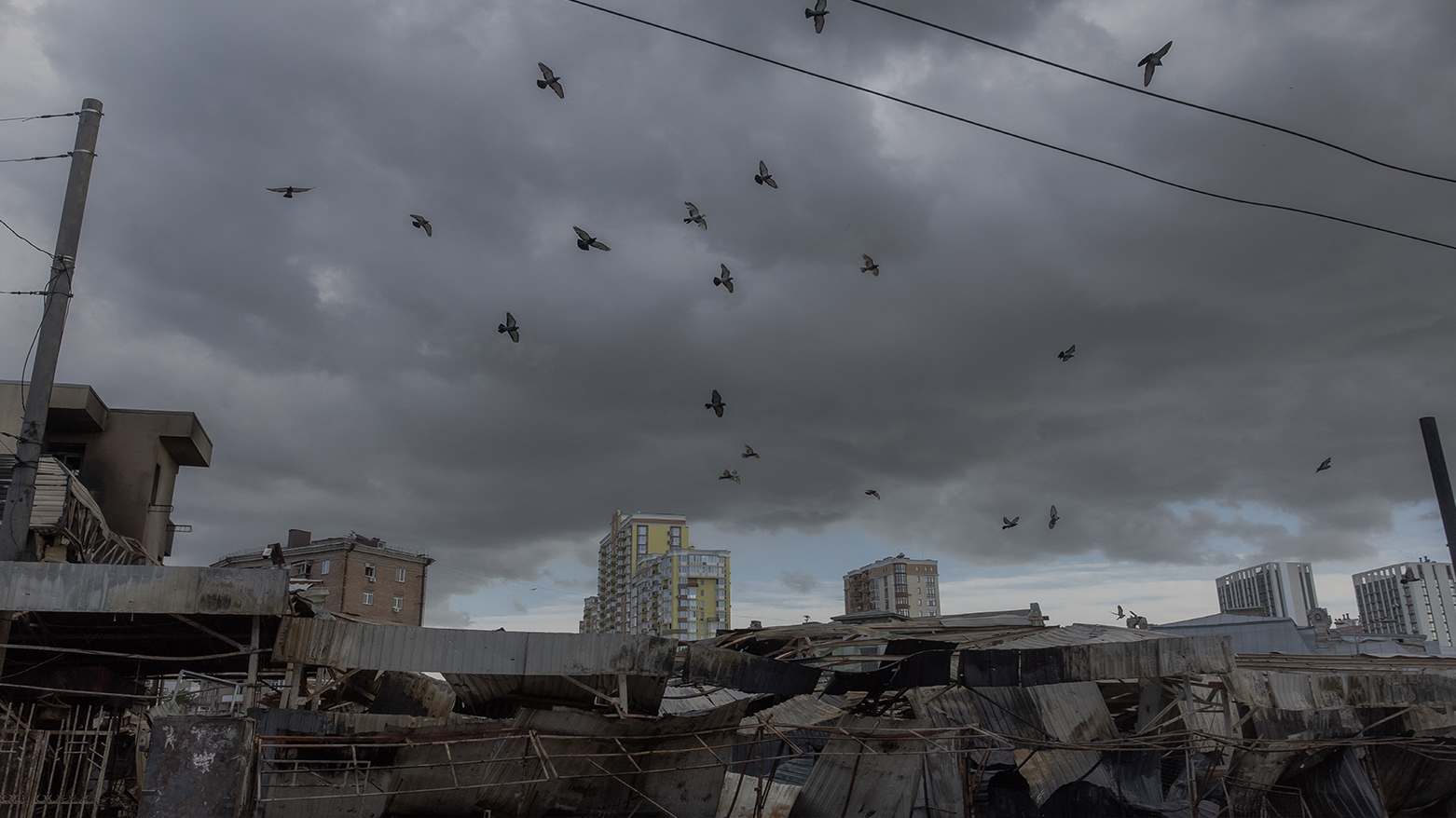
ERBIL (Kurdistan24) — The United Nations human rights chief has warned of a “dangerous escalation” in Ukraine, urging both Moscow and Kyiv to return to negotiations amid rising civilian casualties and renewed threats of intensified Russian attacks.
UN High Commissioner for Human Rights Volker Türk said on Thursday that the number of civilians killed in the first four months of 2026 was 21 percent higher than during the same period last year, calling for “restraint” and an immediate resumption of diplomatic talks.
“I strongly urge restraint. Resume negotiations and end the suffering,” Türk said in a statement, warning that the trajectory of the conflict risks further destabilization.
His remarks came as Ukrainian President Volodymyr Zelensky was set to meet Swedish Prime Minister Ulf Kristersson in Sweden on Thursday, where a major announcement on air defense cooperation is expected.
According to Swedish government sources, discussions are expected to include advanced military support, with Swedish media reporting that Stockholm may announce the donation of older JAS 39 Gripen C and D fighter jets to Ukraine, alongside the opening of negotiations for the sale of the newer Gripen E model.
Sweden and Ukraine signed a non-binding letter of intent in October 2025 outlining Kyiv’s potential purchase of 100 to 150 Gripen E aircraft. At the time, Swedish Prime Minister Kristersson said initial deliveries could begin “within three years,” depending on production timelines and political agreement.
Zelensky previously described the Gripen system as “a priority for our army,” while earlier plans to transfer the jets had been delayed as Western partners prioritized deliveries of American-made F-16 aircraft to Ukraine.
Zelensky and Kristersson are expected to hold a joint press conference at an air base in Uppsala, north of Stockholm.
Meanwhile, European Union foreign ministers met on Thursday to debate potential frameworks for any future engagement with Russia, amid growing discussion about whether the bloc should appoint a formal envoy for negotiations with President Vladimir Putin.
EU foreign policy chief Kaja Kallas cautioned against focusing on personalities, warning that such debates could distract from defining clear strategic objectives.
“Negotiations are always a team effort… So that is why the substance is much more important than who,” she said during talks in Cyprus, describing premature discussions on envoys as a potential “trap.”
The debate has intensified as Ukraine pushes for Europe to take a more central role in diplomacy, particularly as US-led efforts to end the war remain stalled and Washington’s attention has increasingly shifted toward other global crises.
Speculation over possible European negotiators has grown, with some officials suggesting former leaders such as Germany’s Gerhard Schröder, Finland’s President Alexander Stubb, and former European Commission President Jean-Claude Juncker, although no consensus has emerged.
Austria’s Foreign Minister Beate Meinl-Reisinger argued that the EU must prepare a representative to engage in talks, saying Ukraine expects Europe to be ready for negotiations “beyond its own interests.”
However, others—including Lithuania’s Foreign Minister Kęstutis Budrys—warned against premature moves, insisting the EU should instead focus on increasing pressure on Russia.
“This is not a time when we are discussing who is going to have the negotiations,” Budrys said. “We have to discuss what we are doing to put additional pressure on Russia.”
Officials across Europe remain divided over how to approach potential talks with Moscow. While some see Russia’s economic strain and battlefield losses as an opening for diplomacy, others warn that President Vladimir Putin is pursuing a “maximalist” strategy and may not be negotiating in good faith.
Estonian Foreign Minister Margus Tsahkna cautioned that Moscow’s objective may be to reposition Europe as a neutral intermediary, reducing pressure on Russia while prolonging the conflict.
“His main goal is to win more time and bring Europe into this mediating position,” Tsahkna said, warning that such a role would undermine Western leverage.
EU foreign policy chief Kaja Kallas reiterated that any future negotiations must be grounded in firm principles, including restrictions on Russia’s military capabilities, non-recognition of occupied territories, and accountability for alleged war crimes.
As diplomatic discussions continue, the war in Ukraine shows no sign of de-escalation, with European leaders balancing intensified military support for Kyiv against the uncertain prospects of future negotiations with Moscow.