Putin Signals Ukraine Conflict Nearing Final Stage, Deflects Blame Over NATO Drone Incident
Speaking after a state visit to Kazakhstan, the Russian President warned Armenia against pursuing EU integration and dismissed Western security concerns as "egregious lies."
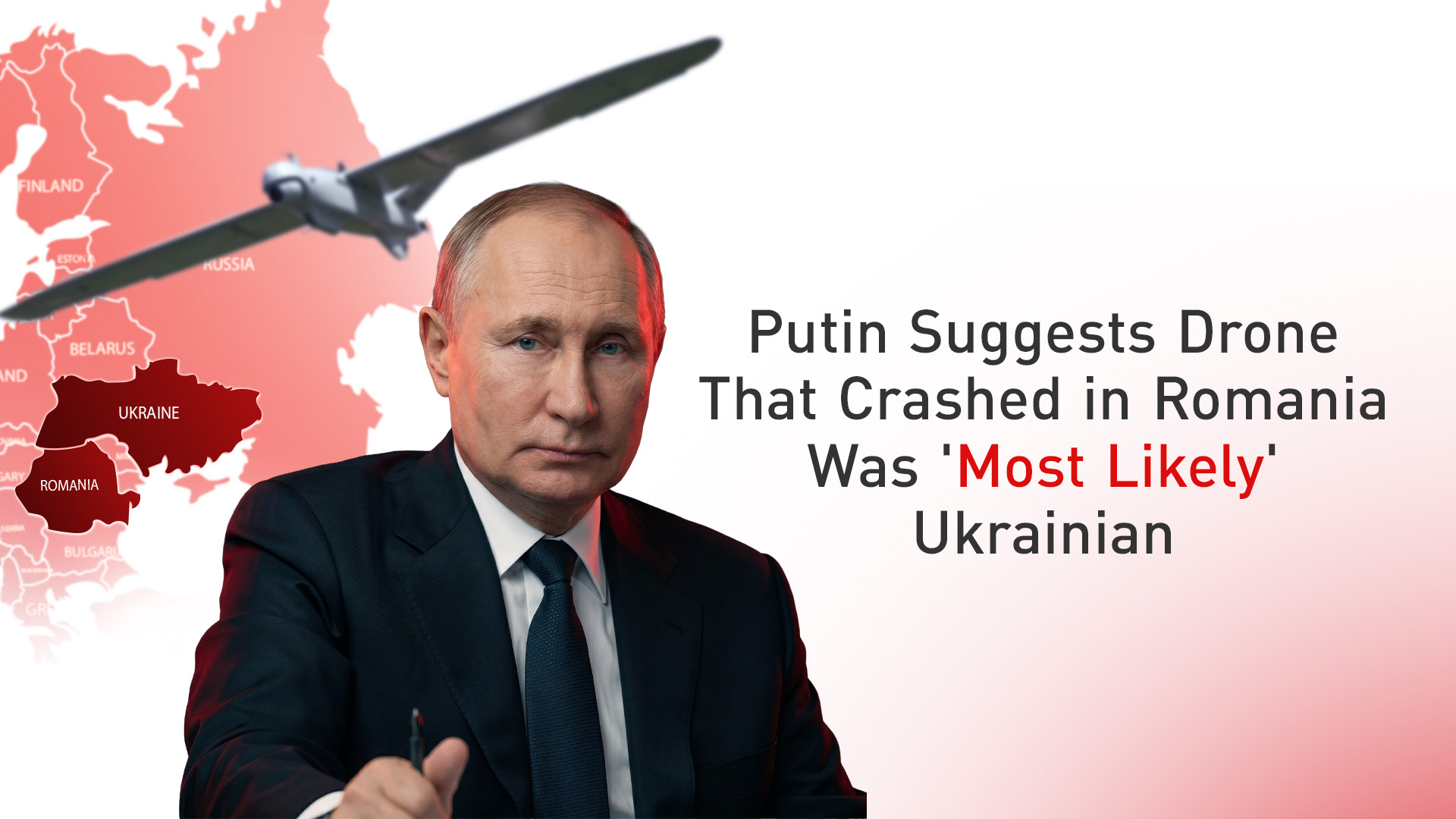
ERBIL (Kurdistan24) - Russian President Vladimir Putin suggested Friday that the protracted conflict in Ukraine may be approaching its conclusion, citing steady advances by Russian forces on the battlefield. The remarks, delivered during a press conference following a state visit to Kazakhstan, capped a wide-ranging address in which Putin also dismissed Western security concerns, deflected blame for a drone crash in NATO-member Romania, and issued stark economic warnings to regional allies considering closer ties with Europe.
The Russian leader's appearance in Astana highlighted Moscow's ongoing effort to project confidence and strategic endurance despite more than four years of war.
Characterizing the current situation in the Special Military Operation zone, Putin stated that battlefield realities allow Russia to suggest the conflict is nearing an end, though he refrained from providing a specific timeline.
"Our troops are advancing on all fronts, you can see it for yourselves. Every single day," Putin told reporters, while simultaneously asserting that Moscow has "never refused" to negotiate a settlement.
The visit to Kazakhstan, a crucial Central Asian partner, heavily emphasized bilateral economic and strategic cooperation.
Putin expressed satisfaction with the trip's outcomes, particularly highlighting a record trade turnover exceeding $20 billion and ongoing efforts to establish a nuclear energy industry in Kazakhstan with Russian financial and technical support.
European Security Tensions Deepen
Putin's confidence in Central Asia stands in sharp contrast to Moscow's deteriorating relations with Europe.
During the press conference, he dismissed European Union claims of a looming Russian threat as "madness" and "outright, egregious lies."
The Russian President argued that the West is deliberately deceiving its populations to justify increased military spending and the economic fallout of decoupling from Russian energy.
This narrative was echoed forcefully in Moscow by Rodion Miroshnik, the Russian Foreign Ministry's Ambassador-at-Large.
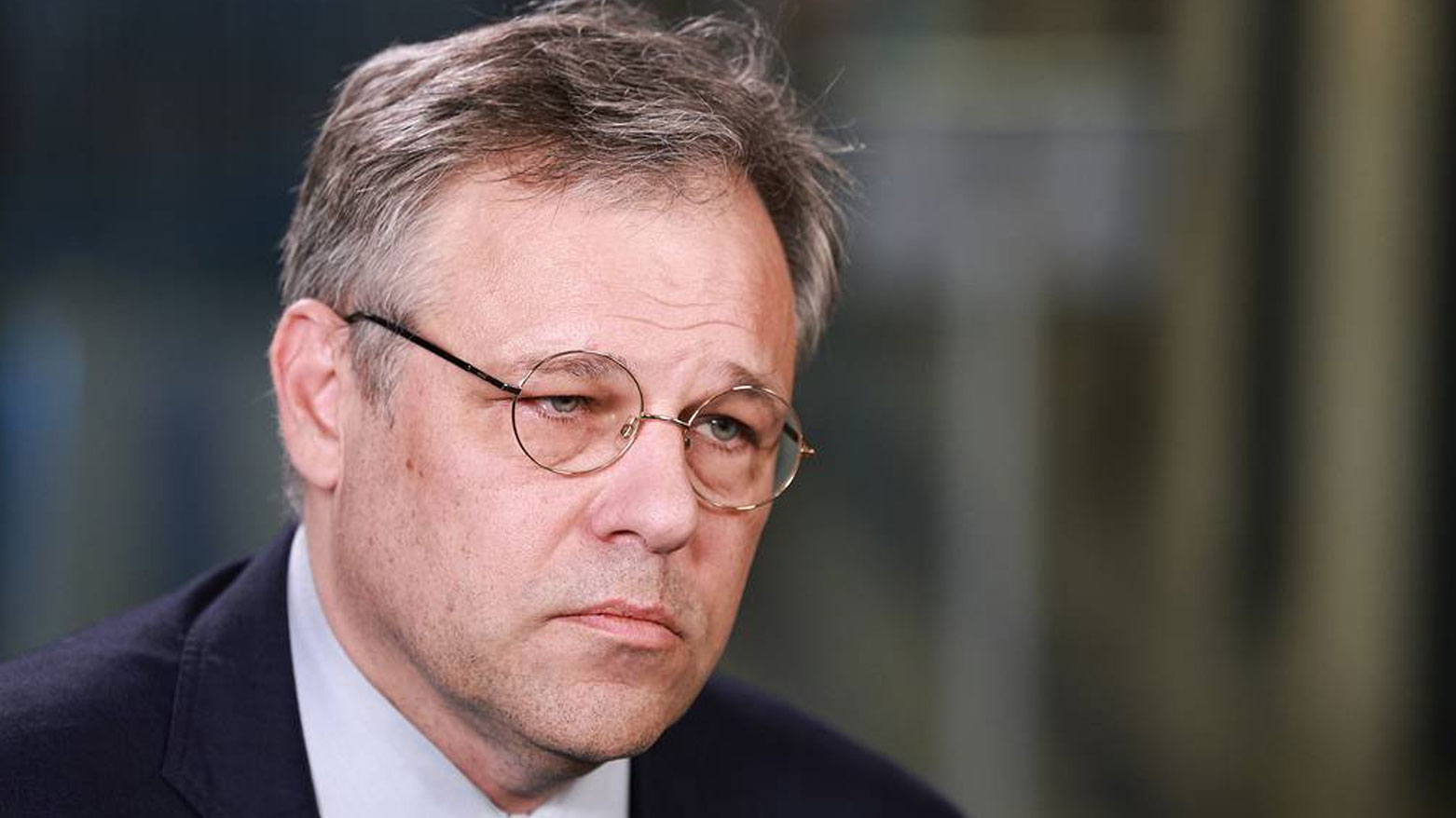
Miroshnik sharply criticized a recent EU initiative to fund defense infrastructure, a "drone wall", along the borders of the Baltic states.
He described the security funding as a "corrupt scheme," comparing it to previously failed border projects in Ukraine, and accused European leaders of utilizing regional provocations to funnel taxpayer money into political and defense coffers.
Miroshnik's comments illustrate a coordinated Russian strategy to frame NATO and EU defense preparations not as legitimate security responses, but as cynical political maneuvers designed to exploit manufactured fears of Russian aggression.
The Romania Drone Controversy
These differing security narratives clashed directly over a recent incident in Romania. On Thursday night, a drone crashed into a residential building in the Romanian city of Galati, injuring two people and triggering a significant diplomatic crisis.
Romanian authorities, supported by NATO, identified the wreckage as a Russian-made Geran-2 drone, a variant of the Iranian-designed Shahed series frequently used by Moscow in its strikes against Ukraine.
According to AFP reporting by Daniel Mihailescu and Andreea Udrea, Romanian Defense Minister Radu-Dinel Miruta stated that serial numbers found on the wreckage proved "undoubtedly" that the craft was of Russian origin.
In response to the unprecedented strike on a residential structure, Bucharest ordered the closure of the Russian consulate in the port city of Constanta and declared the Russian consul persona non grata.
NATO Secretary General Mark Rutte subsequently pledged "absolute solidarity" with Romania, condemning Russia's "reckless behaviour."
Putin, however, rejected Bucharest's immediate attribution of blame. He suggested the drone was "most likely" of Ukrainian origin, arguing that it may have strayed off course due to electronic warfare or technical failure.
"No one can say the origin of this or that aircraft until an examination of that aircraft is conducted," Putin stated.
He dismissed the initial reactions from Romania and other NATO states as knee-jerk panic, characterizing the response as: "'Oh no, the Russians are coming, it's a Russian attack!'"
Putin stated that Russia is prepared to conduct an "objective investigation" if Romania hands over the wreckage and relevant data for analysis.
Ukraine War
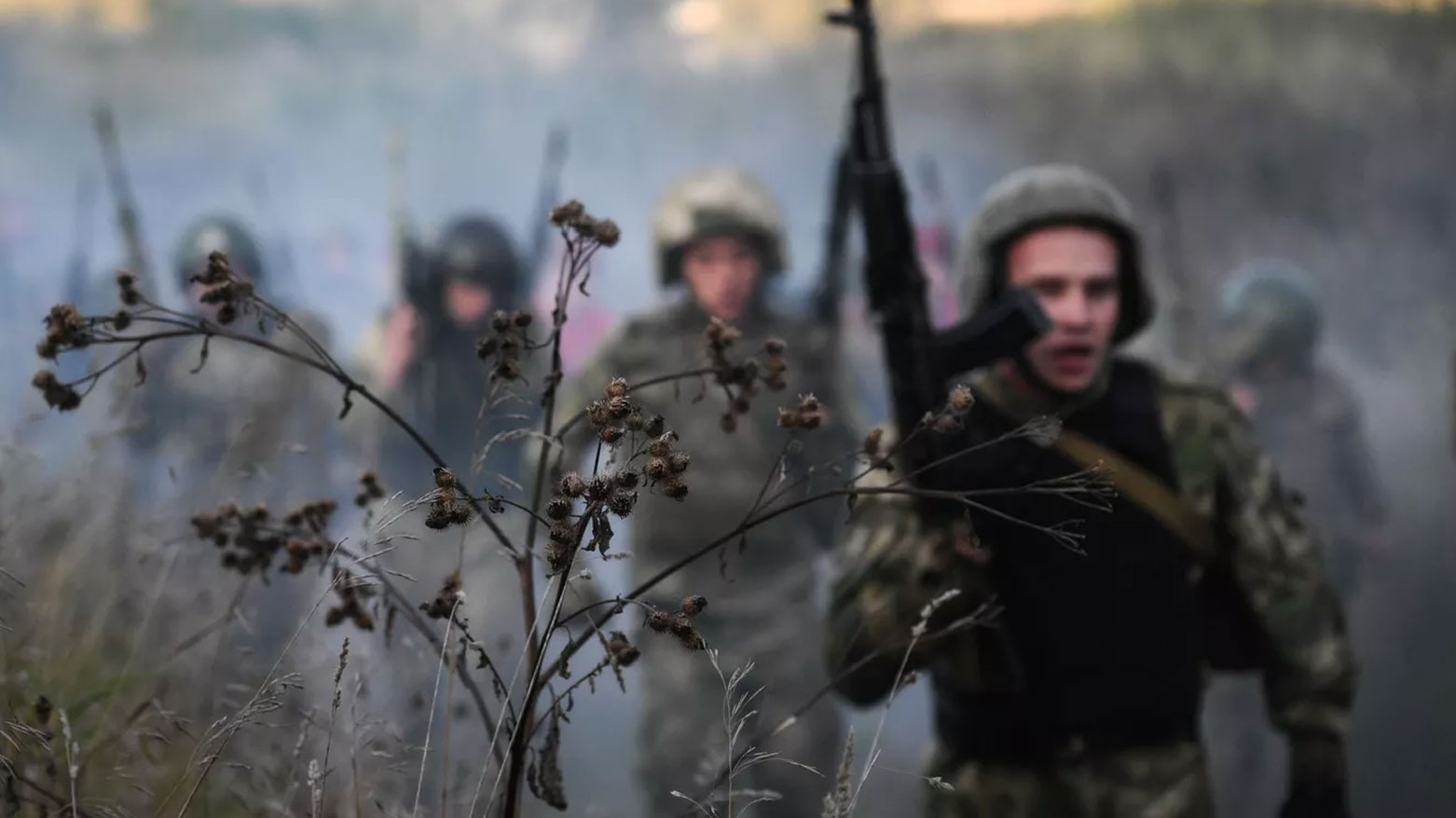
Regarding the war in Ukraine, Putin linked his belief that the conflict is nearing its end to the current situation in the 'Special Military Operation' zone.
He asserted that Russian troops are advancing in all directions, making the military pressure on Kyiv unsustainable.
Despite the absence of formal negotiations, Putin revealed that certain diplomatic contacts are being maintained.
He reiterated that Moscow has never refused to negotiate and stands ready to continue talks, provided they are based on realistic battlefield conditions rather than Western political maneuvers.
The President used the briefing to highlight what he called the "shameful silence" of Western media regarding the tragedy in Starobelsk, where a Ukrainian strike on a college reportedly killed several children.
He contrasted the lack of international coverage of this event with the exhaustive reporting on Russian retaliatory strikes on the Kyiv region.
Putin argued that the West continues to deceive its own citizens by portraying Russia as the sole aggressor, while ignoring the 2014 "coup d'état" in Kyiv and NATO's eastward expansion as the true catalysts of the crisis.
He warned that any location from which Russia faces a direct military threat would be treated as a legitimate target for the Russian army.
Warnings to Armenia
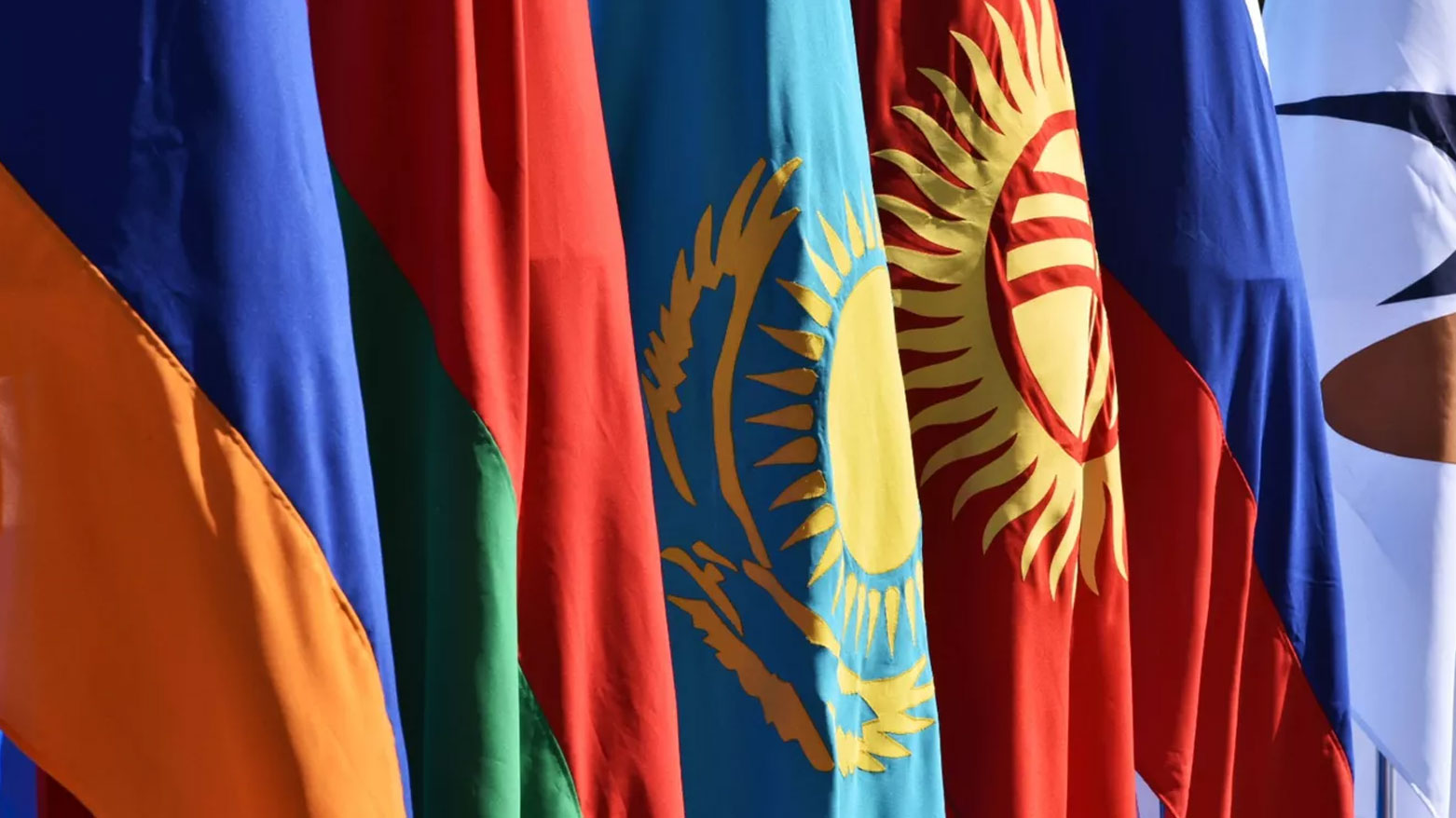
Beyond the immediate theater of the Ukraine conflict, Putin directed significant attention toward Armenia, issuing a stark warning regarding Yerevan's recent overtures toward the European Union.
As tensions between Russia and Armenia have grown, Putin cautioned that a withdrawal from the Moscow-led Eurasian Economic Union (EAEU) would result in severe economic consequences.
He warned that if Armenia embraces EU standards, Russia would be forced to "wind down nearly all our economic work" with the country regarding EAEU integration.
Putin estimated that losing access to subsidized Russian energy and facing tighter labor and trade regulations would cost Armenia at least 14% of its GDP.
He expressed skepticism regarding European promises of a €2.5 billion investment package for Yerevan, noting that Russian capital currently accounts for 86% of total investment in the country.
"The crisis in Ukraine began with Ukraine's attempts to join the EU," Putin remarked, drawing a direct and ominous parallel to the current situation in the Caucasus.
A Defiant Posture
Putin's statements in Astana reflect a leader attempting to dictate the terms of the broader geopolitical standoff.
By framing the Ukraine conflict as a near-finished endeavor resulting from Western maneuvering, dismissing NATO security concerns as fabrications, and threatening economic retaliation against pivoting allies, Moscow continues to project an uncompromising posture.
As investigations into the Galati drone strike proceed and diplomatic channels remain largely frozen, the rhetoric from Astana underscores the profound gap between Russian assertions of imminent victory and Western preparations for a sustained, long-term security confrontation across Eastern Europe.