Kurdistan Tourism Sector Sees Major Growth With $7.5 Billion Investment Over Five Years
Officials say 80 strategic tourism projects and 40 world-class facilities are boosting services and supporting economic diversification efforts
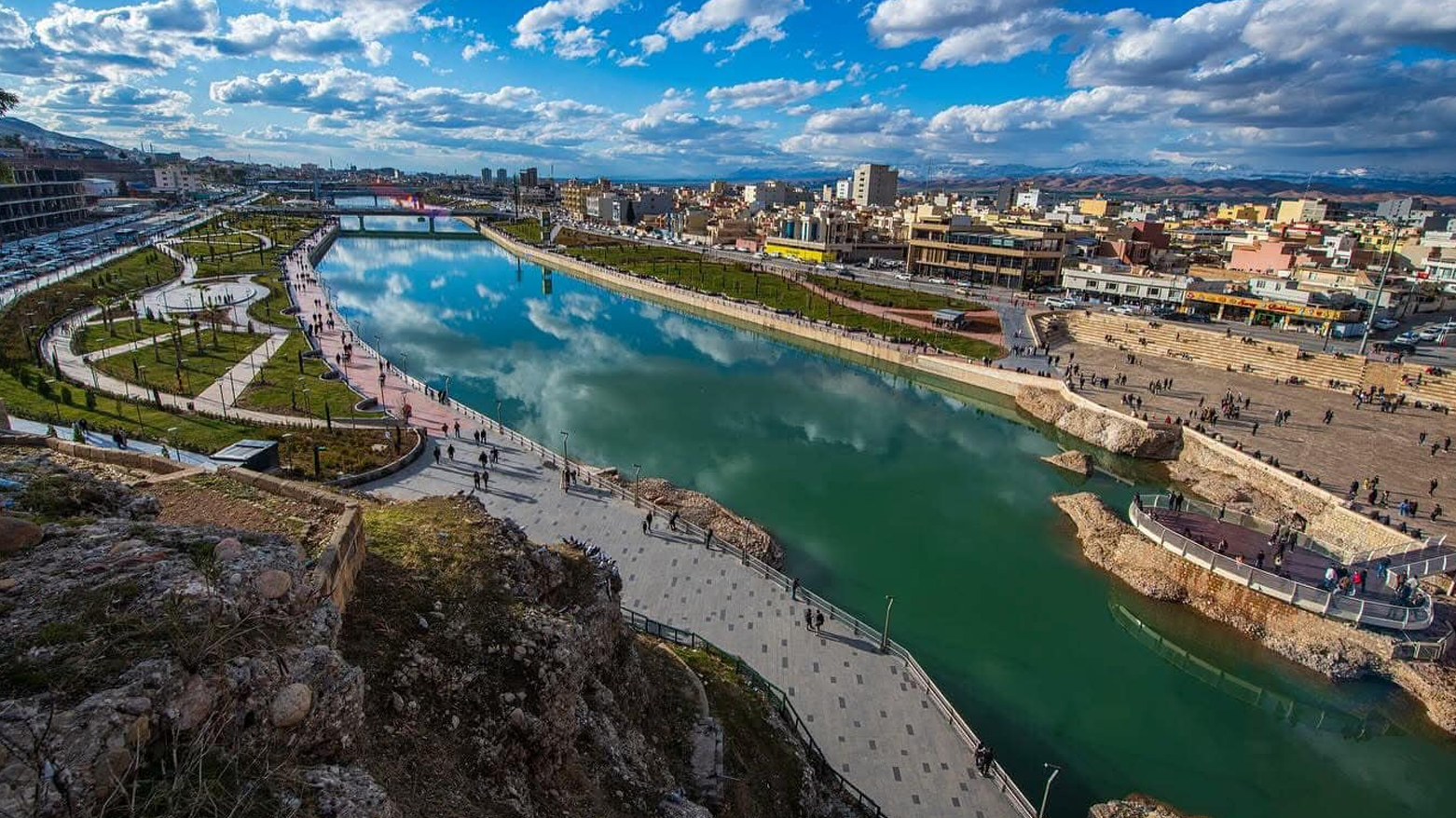
ERBIL (Kurdistan24) — The Kurdistan Region’s tourism sector has undergone significant expansion over the past five years, with officials announcing the implementation of 80 strategic projects valued at more than $7.5 billion, according to the General Board of Tourism.
Speaking to Kurdistan24 on Saturday, General Board of Tourism spokesperson Ibrahim Abdulmajid said the sector has experienced notable revitalization in terms of investment and infrastructure development across the region.
“Over the past five years, 80 diverse tourism projects have been implemented throughout the Kurdistan Region in the areas of investment and reconstruction,” Abdulmajid said in remarks during an interview with Kurdistan24.
He added that the total investment allocated to these projects exceeds $7.5 billion, describing the figure as a clear indicator of strong investor confidence in the Kurdistan Region’s business environment and tourism potential.
Abdulmajid also highlighted improvements in service quality and hospitality standards, noting the expansion of high-end tourism facilities across the region.
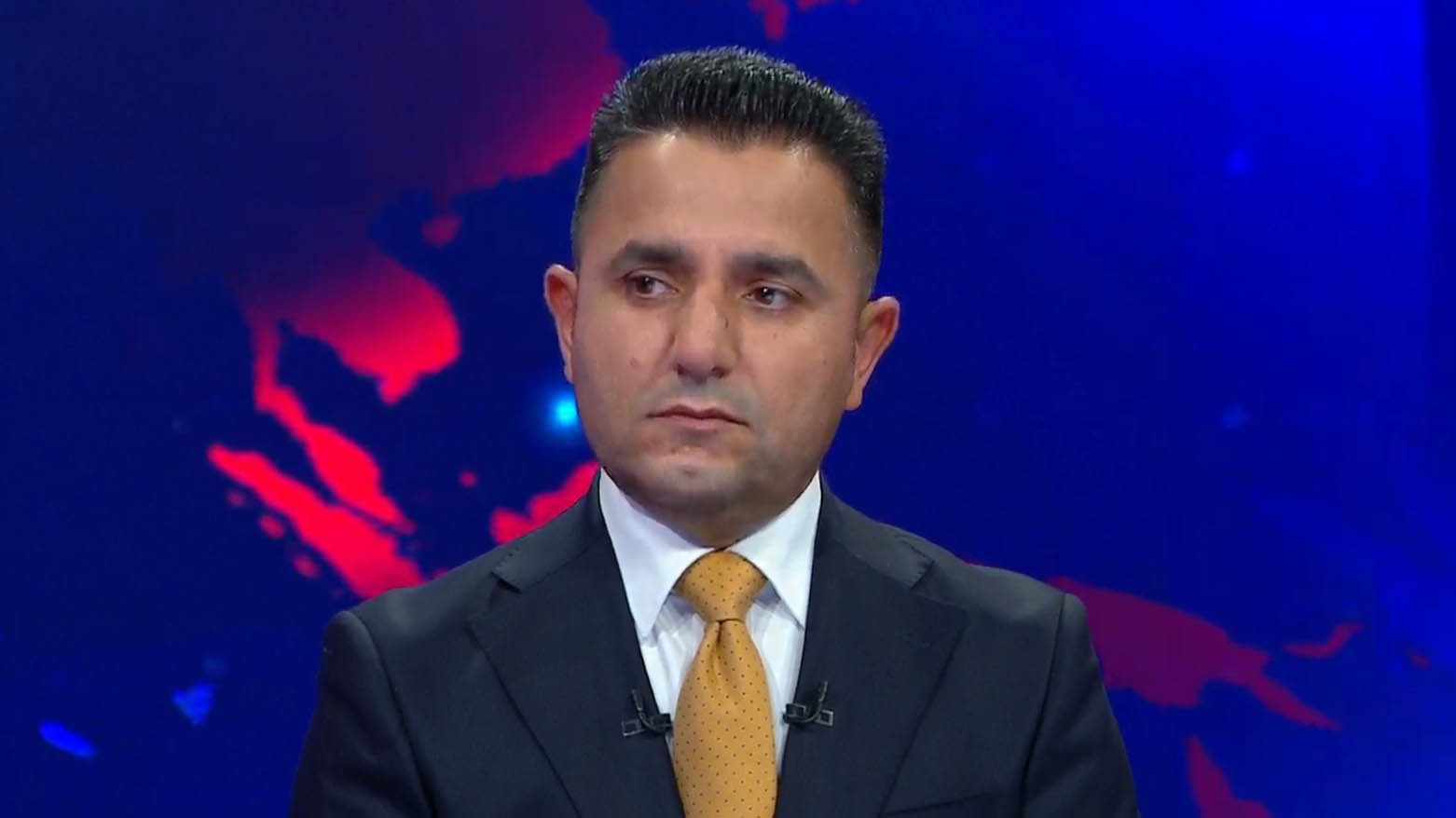
“Currently, there are around 40 tourism centers and resorts operating at world-class branding and five-star standards in the Kurdistan Region, offering high-quality services daily to both domestic and international tourists,” he said.
The tourism official stressed that these developments reflect a broader government strategy to position tourism as a key pillar of economic diversification. The Kurdistan Regional Government (KRG) has increasingly prioritized the sector as part of efforts to reduce reliance on oil revenues and strengthen alternative sources of income.
Authorities have also emphasized ongoing efforts to improve infrastructure and create a more attractive environment for both tourists and investors, aiming to further accelerate growth in the sector in the coming years.
The growth of the tourism sector has been a central component of the KRG's Ninth Cabinet reform agenda, which has prioritized economic diversification and reducing dependence on oil and gas revenues.
Since taking office, the cabinet has pursued a series of policies aimed at strengthening non-oil sectors, including tourism, agriculture, industry, trade, and information technology, as part of a broader strategy to build a more sustainable and resilient economy.
Tourism has emerged as one of the most successful areas of that policy, benefiting from major investments in infrastructure, hospitality, transportation, and recreational facilities.
The government has also introduced measures to facilitate investment, improve public services, and promote the Kurdistan Region as a regional tourism destination, attracting both domestic and international visitors.
Officials have repeatedly emphasized that expanding non-oil revenue sources is essential for long-term economic stability, particularly amid fluctuations in global energy markets and ongoing financial challenges between Erbil and Baghdad.
The development of tourism projects, hotels, resorts, and entertainment facilities has not only generated new streams of revenue but also created thousands of jobs and stimulated growth in related sectors such as construction, transportation, retail, and services.
The more than $7.5 billion invested in tourism projects over the past five years is widely viewed as a reflection of investor confidence in the Kurdistan Region's stability and economic prospects.
It also underscores the Ninth Cabinet's efforts to transform tourism into a strategic pillar of the regional economy, helping to position the Kurdistan Region as one of Iraq's leading destinations for leisure, business, and cultural tourism.