Iran Threatens ‘New Fronts,’ Warns Against Escalation in Lebanon
Iranian state television quoted the IRGC’s intelligence organization as saying that Tehran views any crossing of its “red lines” in Lebanon and Gaza as tantamount to a direct war.
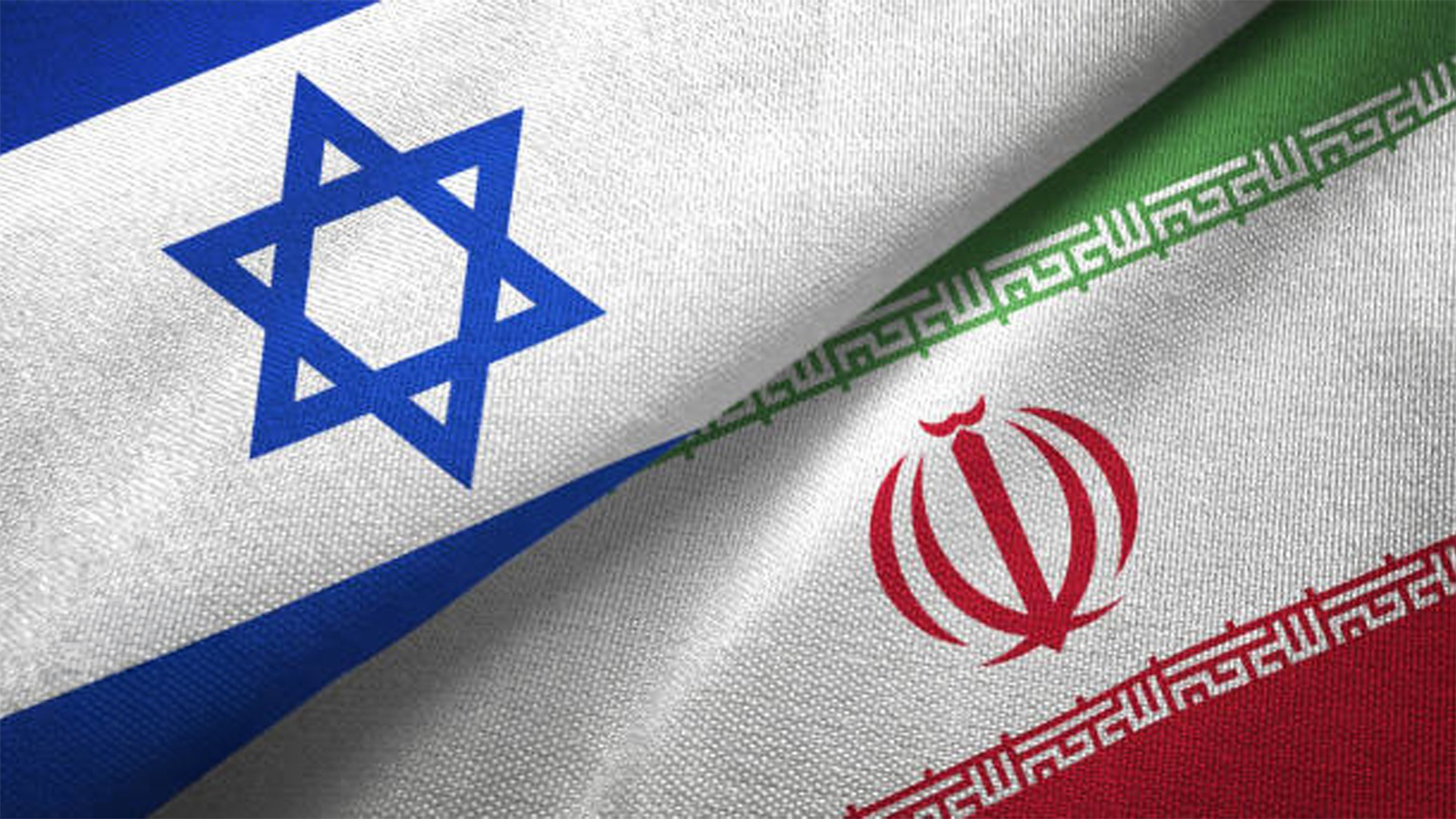
ERBIL (Kurdistan24) – Iran’s Islamic Revolutionary Guard Corps (IRGC) has threatened to open “new fronts” and maintain pressure on key maritime chokepoints in response to Israel’s ongoing military offensive in Lebanon, according to statements carried by Iranian state media on Monday.
Iranian state television quoted the IRGC’s intelligence organization as saying that Tehran views any crossing of its “red lines” in Lebanon and Gaza as tantamount to a direct war.
“Iran considers crossing the red lines in Lebanon and Gaza to mean direct war,” the statement said.
The IRGC added that Iran was prepared to undertake what it described as “defensive operations” by taking “meaningful actions” and opening additional fronts, while also preserving what it called the “Strait of Hormuz equation,” a reference to Tehran’s longstanding ability to threaten shipping through the strategic waterway.
The Strait of Hormuz, located between Iran and the Arabian Peninsula, is one of the world’s most important energy transit routes, carrying a significant share of global oil exports.
Later on Monday, Mohsen Rezaee, a military adviser to Iran’s Supreme Leader, Mojtaba Khamenei, warned that further escalation in Lebanon would have consequences.
“The escalation of tensions in Lebanon will not be tolerated,” Rezaee wrote on X, adding that “the patience of the armed forces of the Islamic Republic of Iran has a limit.”
Earlier, Tasnim News Agency reported that Tehran and its regional allies could activate “other fronts,” including the Bab al-Mandab Strait at the southern entrance to the Red Sea, in response to Israeli military operations in Lebanon.
The Bab al-Mandab waterway has gained strategic significance in recent years due to attacks on commercial shipping by the Iran-backed Houthis in Yemen. Such attacks have disrupted global trade routes, forcing many vessels to bypass the Red Sea and the Suez Canal by taking the much longer route around Africa.
The Red Sea corridor is also critical for regional energy exports. Saudi Arabia has utilized its Red Sea port facilities, including those at Yanbu Port, to export millions of barrels of oil while reducing its reliance on Gulf shipping routes, which are vulnerable to regional tensions.
The latest Iranian warnings come amid heightened tensions across the Middle East as Israel expands military operations in Lebanon. Tehran, a key supporter of armed groups across the region, has repeatedly warned that a broader conflict could draw in additional actors and threaten major international shipping lanes.
Analysts have long cautioned that any disruption to either the Strait of Hormuz or the Bab al-Mandab Strait could have significant implications for global energy markets and international trade, given the strategic importance of both waterways.