North Korea Declares Nuclear Program ‘Absolutely Non-Negotiable’ Ahead of Xi Visit
Kim Yo Jong rejects denuclearization discussions as ‘false information’ while Pyongyang reaffirms commitment to expanding its nuclear deterrent
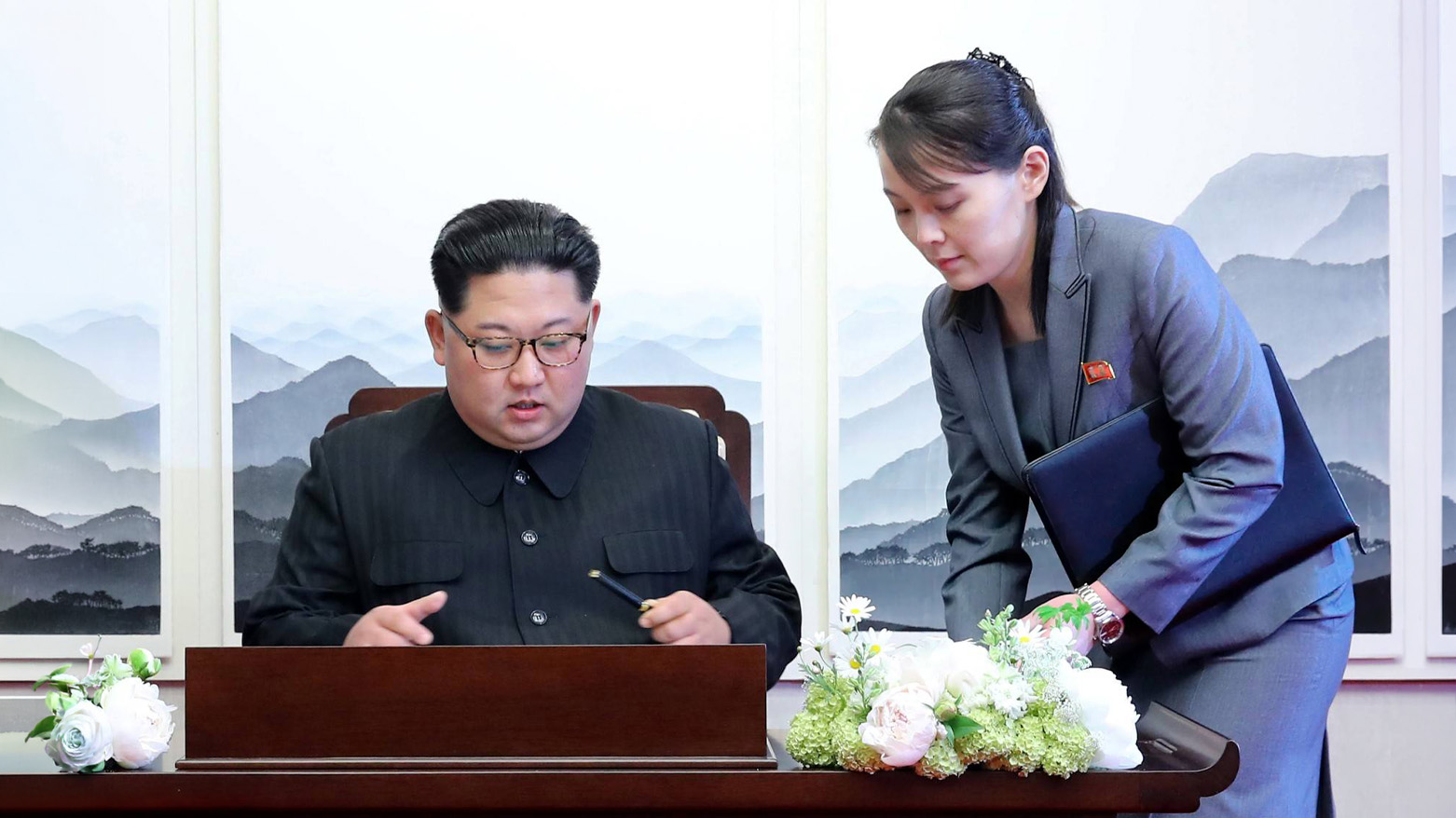
ERBIL (Kurdistan24) — North Korea has reaffirmed that its nuclear weapons program is “absolutely non-negotiable,” with the influential sister of leader Kim Jong Un issuing a forceful statement ahead of a closely watched visit by Chinese President Xi Jinping to Pyongyang.
Kim Yo Jong, one of the most powerful figures in North Korea's leadership and a key voice on foreign policy, said the country's status as a nuclear power could not be challenged or reversed, according to remarks published Sunday by the state-run Rodong Sinmun newspaper.
“Our status as a nuclear power is absolutely non-negotiable,” she said, warning that North Korea “will not tolerate any threats” against its sovereignty or security.
The statement comes just days before Xi is scheduled to arrive in North Korea for a two-day visit beginning Monday, marking his first trip to the country in seven years.
Pyongyang has long defended its nuclear weapons and ballistic missile programs as essential for national security, despite international sanctions imposed by the UN Security Council.
In 2023, North Korea formally enshrined its status as a nuclear state in its constitution, further signaling that denuclearization is no longer viewed as a policy option by the country's leadership.
Since the collapse of nuclear negotiations between Kim Jong Un and US President Donald Trump in 2019, North Korea has repeatedly described its nuclear status as “irreversible.”
Relations with Washington deteriorated after the two sides failed to bridge differences over the scope of sanctions relief and steps toward denuclearization.
Xi's upcoming visit underscores the importance of relations between Beijing and Pyongyang. China remains North Korea's most significant political and economic partner, providing critical support to the heavily sanctioned and diplomatically isolated country.
The trip follows Xi's recent meetings with both President Trump and Russian President Vladimir Putin, placing North Korea once again at the center of regional diplomatic discussions.
Analysts view the visit as an opportunity for both sides to strengthen strategic coordination amid shifting geopolitical dynamics in East Asia and beyond. Kim's statement focused heavily on recent comments from Washington regarding North Korea's nuclear program.
Following last month's summit between Trump and Xi in Beijing, the White House released a fact sheet stating that both leaders had reaffirmed a shared objective of denuclearizing North Korea.
Kim dismissed that claim outright.
“Some officials in the United States still have yet to awaken from their escapist and anachronistic dream,” she said.
She accused Washington of spreading “false information” and rejected any suggestion that the United States could legally challenge North Korea's status as a nuclear power.
“The policy of continuously strengthening the country's self-defensive nuclear deterrent, as set out by the nation's leader, is an irreversible course that must be implemented without fail,” she added.
The latest statement coincided with reports that Kim Jong Un inspected a major munitions factory over the weekend and called for expanded production of missile-related equipment.
According to the official Korean Central News Agency (KCNA), the North Korean leader instructed the facility to increase output “in order to supply enough quantity of missiles,” highlighting the regime's ongoing emphasis on military modernization.
The move comes as North Korea continues to accelerate its military modernization drive, with leader Kim Jong Un placing renewed emphasis on strengthening naval forces as part of the country’s broader nuclear deterrence strategy.
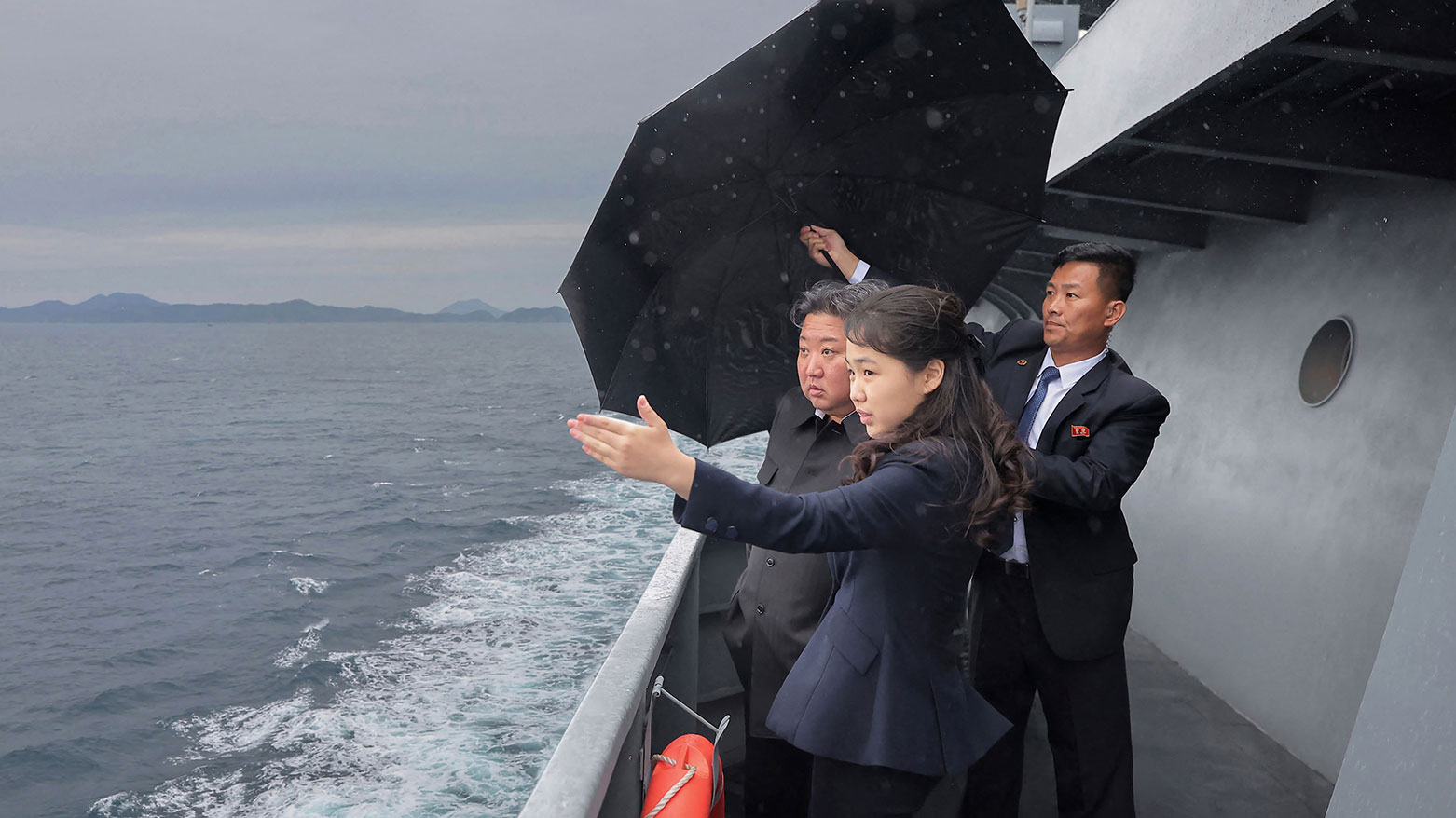
During a recent inspection of the destroyer Kang Kon, he reportedly underscored the need for a fleet capable of reinforcing Pyongyang’s strategic capabilities and delivering powerful strikes against adversaries, framing naval development as a key pillar of the ruling party’s five-year defense plan.
State media images of the visit, which also featured his daughter Kim Ju Ae alongside senior military officials, further highlighted the symbolic and political significance of the naval push amid ongoing efforts to modernize North Korea’s armed forces.
North Korea's military cooperation with Russia has also deepened in recent years. Analysts say Pyongyang has gained greater confidence on the international stage following its support for Moscow during the war in Ukraine, including the deployment of thousands of North Korean troops to assist Russian forces.
Experts say Kim Yo Jong's remarks reflect North Korea's determination to prevent any perception that Beijing and Washington may be coordinating efforts to pressure Pyongyang over its nuclear program.
Hong Min, an analyst at the Korea Institute for National Unification, said the statement demonstrated North Korea's sensitivity to reports suggesting that denuclearization had been discussed during the Trump-Xi summit.
“Kim's core message was a categorical rejection of reports of US-China discussions on North Korean denuclearization as ‘false information’,” Hong said.
He added that Pyongyang may have already received assurances from Beijing during preparations for Xi's visit that no such discussions had taken place.
The statement reinforces North Korea's longstanding position that its nuclear arsenal is a permanent feature of its national defense strategy, signaling that prospects for renewed denuclearization negotiations remain remote despite ongoing diplomatic engagement among major regional powers.