Casting a Wider Net: How the Kurdistan Region Is Transforming Its Fisheries to Anchor Food Security
In response to climate challenges and fluctuations in global energy markets, the Kurdistan Region is harnessing its growing network of reservoirs to strengthen domestic food production and enhance self-sufficiency.
ERBIL (Kurdistan24) - As global supply-chain disruptions, geopolitical tensions, and the escalating impacts of climate change threaten agricultural stability, nations around the world are urgently reevaluating their domestic food systems. In an era marked by rising food-import dependence, achieving self-sufficiency has shifted from an economic aspiration to a pressing national security imperative. Amid this global conversation, an unlikely case study is emerging in the Middle East: the Kurdistan Region.
Historically associated on the international stage with oil revenues and complex regional geopolitics, the region is rapidly transforming its water infrastructure into productive economic assets, utilizing a booming aquaculture sector to build robust agricultural resilience.
At the heart of this transformation is a rapidly maturing fisheries sector. What was once a small, localized traditional activity has evolved into a comprehensive economic ecosystem.
This story matters because it illustrates a successful blueprint for resource-constrained regions attempting to diversify their economies and insulate themselves from global shocks.
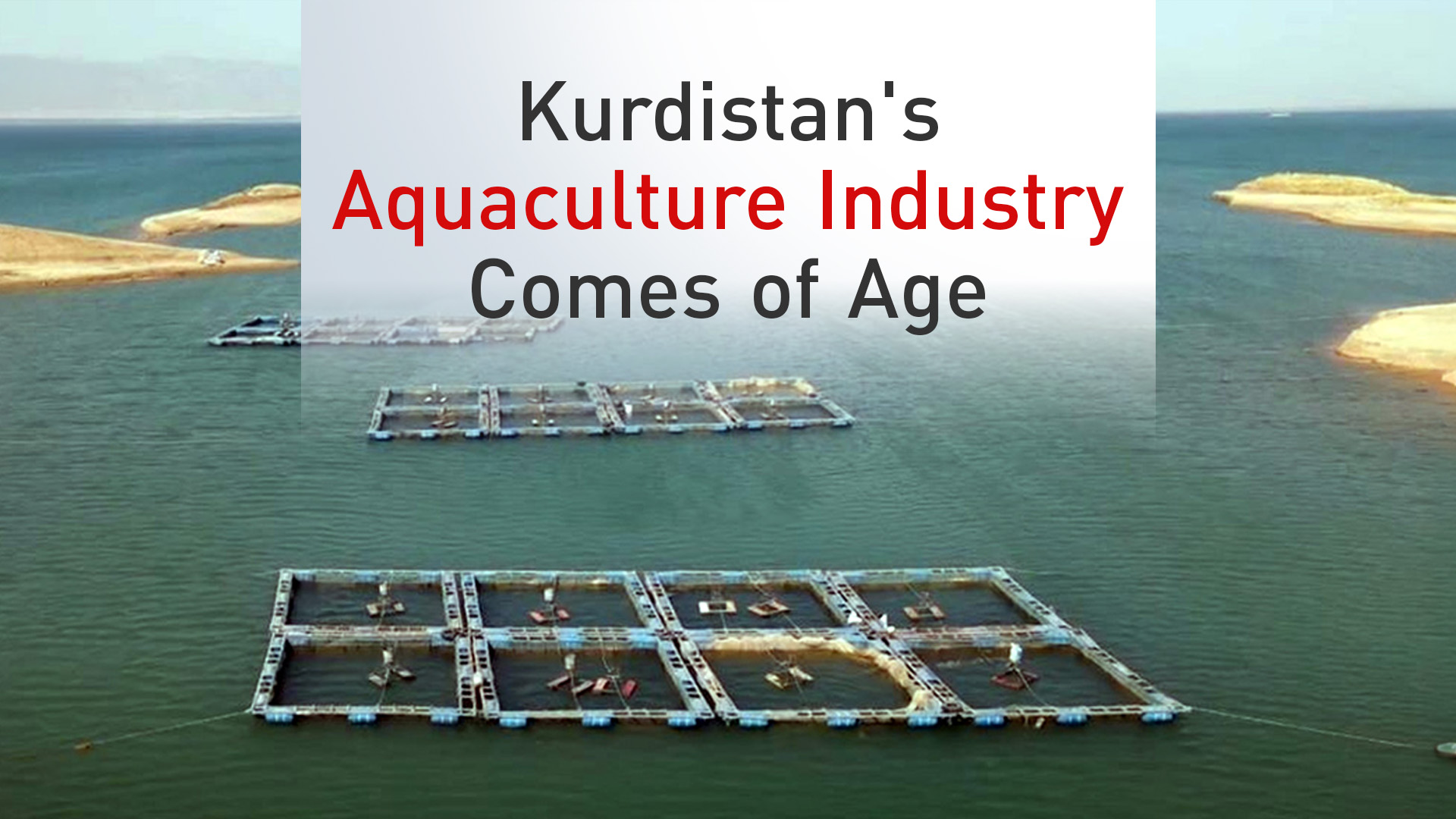
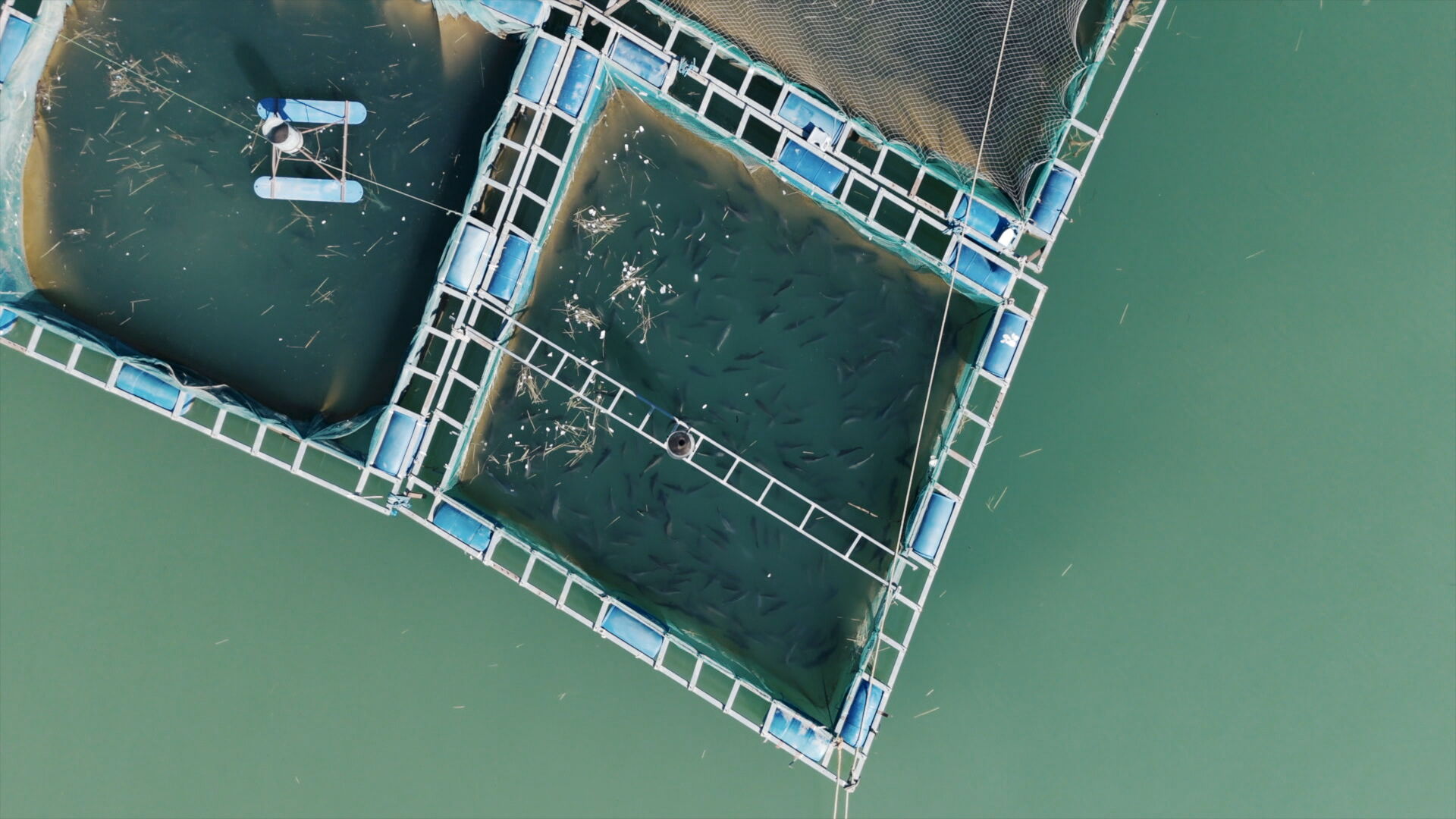
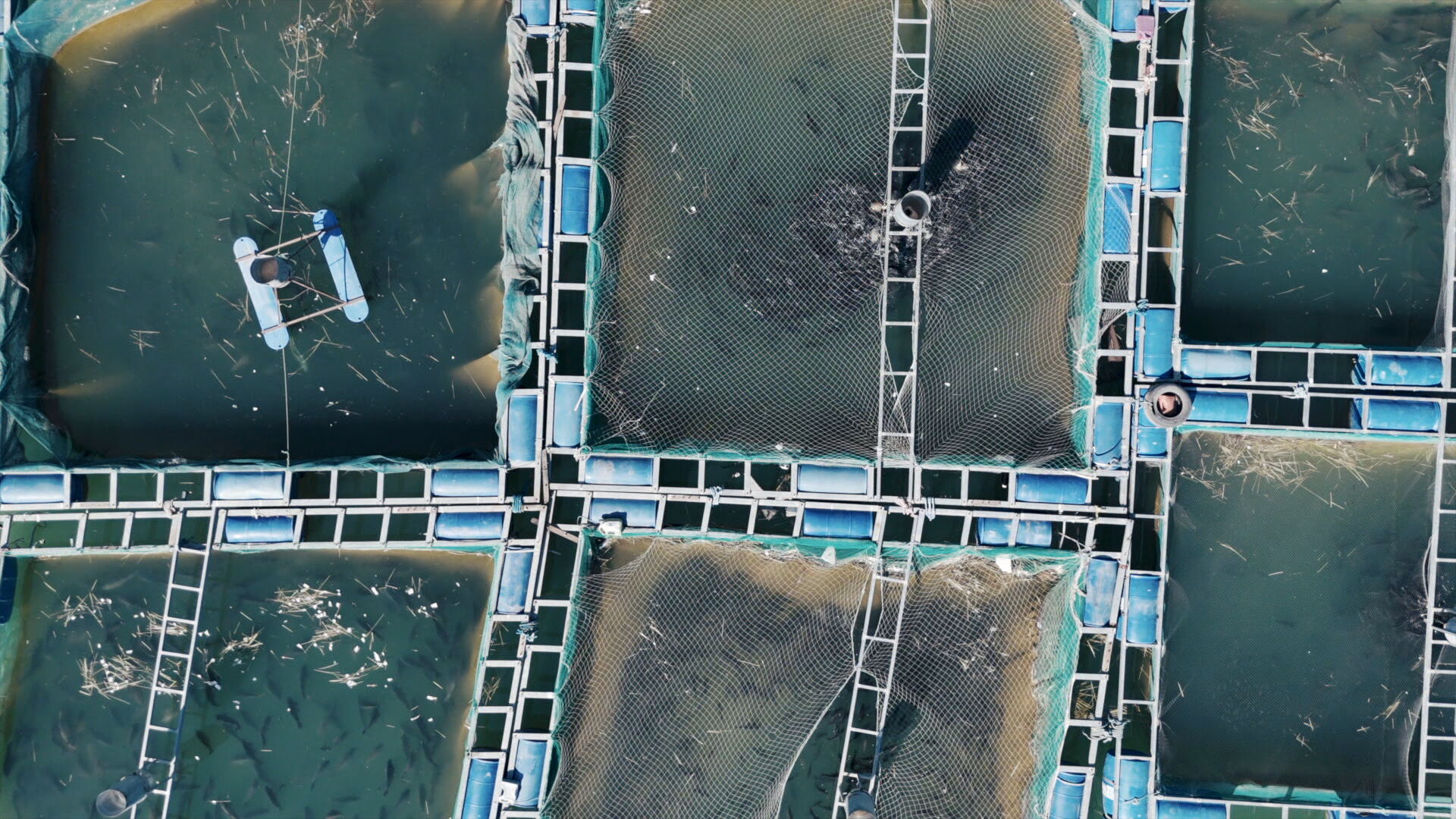
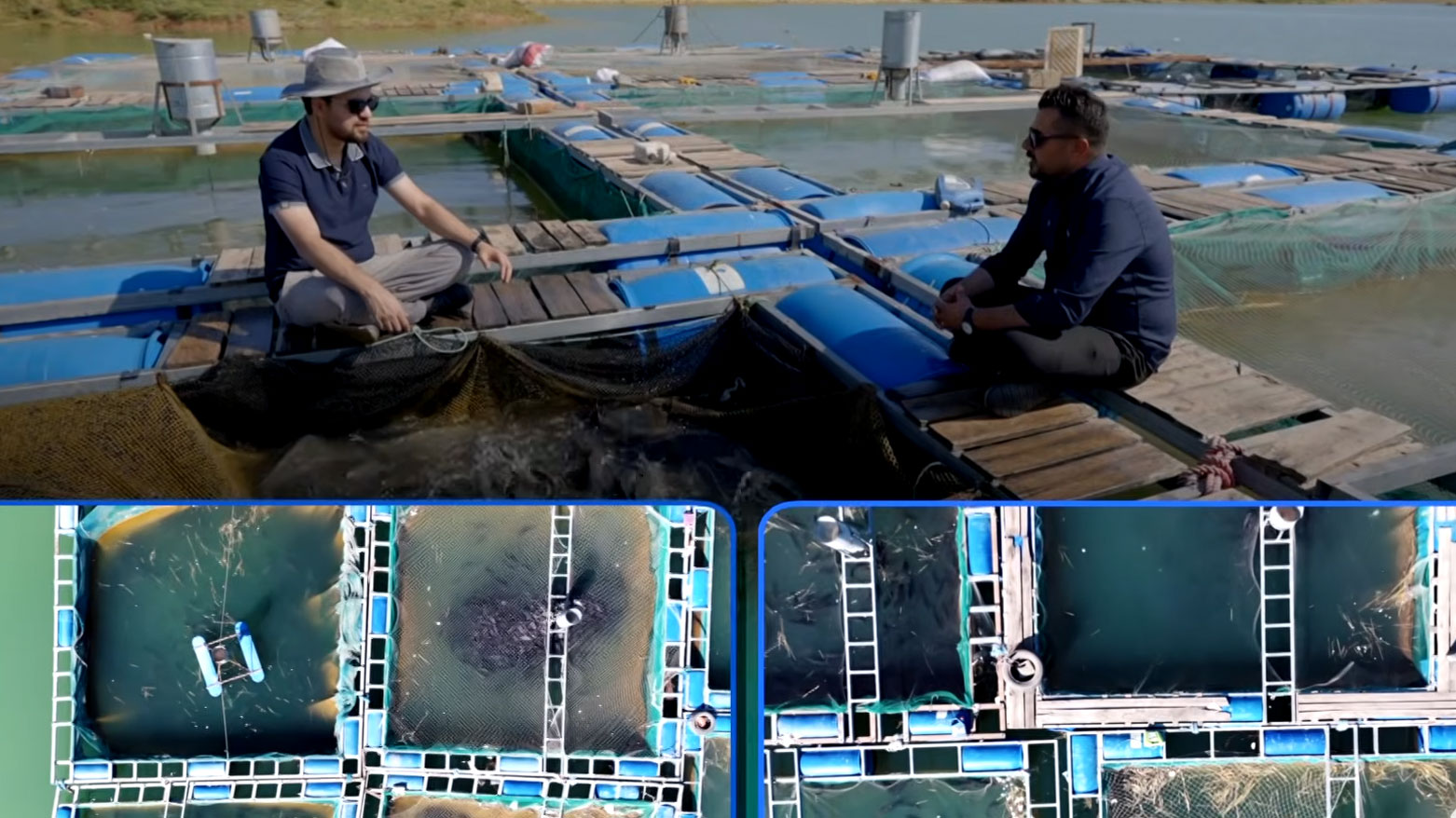
The Kurdistan Region's fisheries now encompass a sprawling network of earthen ponds, highly intensive indoor recirculating aquaculture systems (RAS), and expansive cage farming in reservoir dams.
This physical growth has spurred parallel industries: local broodstock production, specialized hatcheries, domestic feed manufacturing, sophisticated transportation logistics, and a vibrant wholesale and retail market that provides crucial rural employment.
As Diyari Shekha, host of the Kurdistan24 agricultural program Bûjanewe (Revival), recently noted during a broadcast exploring this evolution, the sector is no longer an economic afterthought.
"Fish wealth is one of the sectors in the Kurdistan Region that has seen tremendous growth over the past few years," Shekha observed. "A set of specialized and diverse projects have now been established in the Kurdistan Region that are economically efficient, with low costs and high production."
Ultimately, this expansion represents a cornerstone of a much wider effort to ensure food security, create sustainable private-sector jobs, and permanently reduce a costly dependence on imported food.
Regulation, Rebound, and the Drive for Self-Sufficiency
A critical component of this strategy involves rigorous environmental management to protect natural aquatic stocks.
Following a strict, three-month seasonal ban designed to safeguard fish populations during their most vulnerable breeding periods, commercial and recreational fishing will officially resume on June 16.
Bestun Najmuddin, Director of Fish Resources at the Kurdistan Regional Government (KRG) Ministry of Agriculture and Water Resources, in a statement to Kurdistan24 journalist Lavin Omar, confirmed that the seasonal ban will conclude on June 15. However, he emphasized that the resumption of fishing does not equate to a lifting of vital environmental protections.
"Fishing with electricity, poisons, chemical substances, explosives, and fine-mesh nets is absolutely prohibited," Najmuddin stated in a recent interview with Kurdistan24.
He added that the prohibition on fine-mesh nets is critical to protecting fingerlings and ensuring long-term sustainability for future harvests. Violators face severe consequences, with judicial penalties ranging from substantial financial fines to prison sentences of up to seven years.
This year, rigorous enforcement has been complemented by highly favorable climatic conditions. Abundant seasonal rainfall significantly elevated dam and reservoir levels, allowing spawn to be safely deposited along submerged vegetation and riverbanks. This natural environmental boost has resulted in a massive surge in the region's fingerling populations.
Currently, the Kurdistan Region produces between 35,000 and 40,000 tons of live fish annually across nearly 3,700 acres (15,000 dunams) of land and water-based facilities. With total domestic demand hovering at approximately 65,000 tons, the region has achieved an impressive 50% to 60% self-sufficiency rate.
The majority of this local harvest hits the market between October and January.
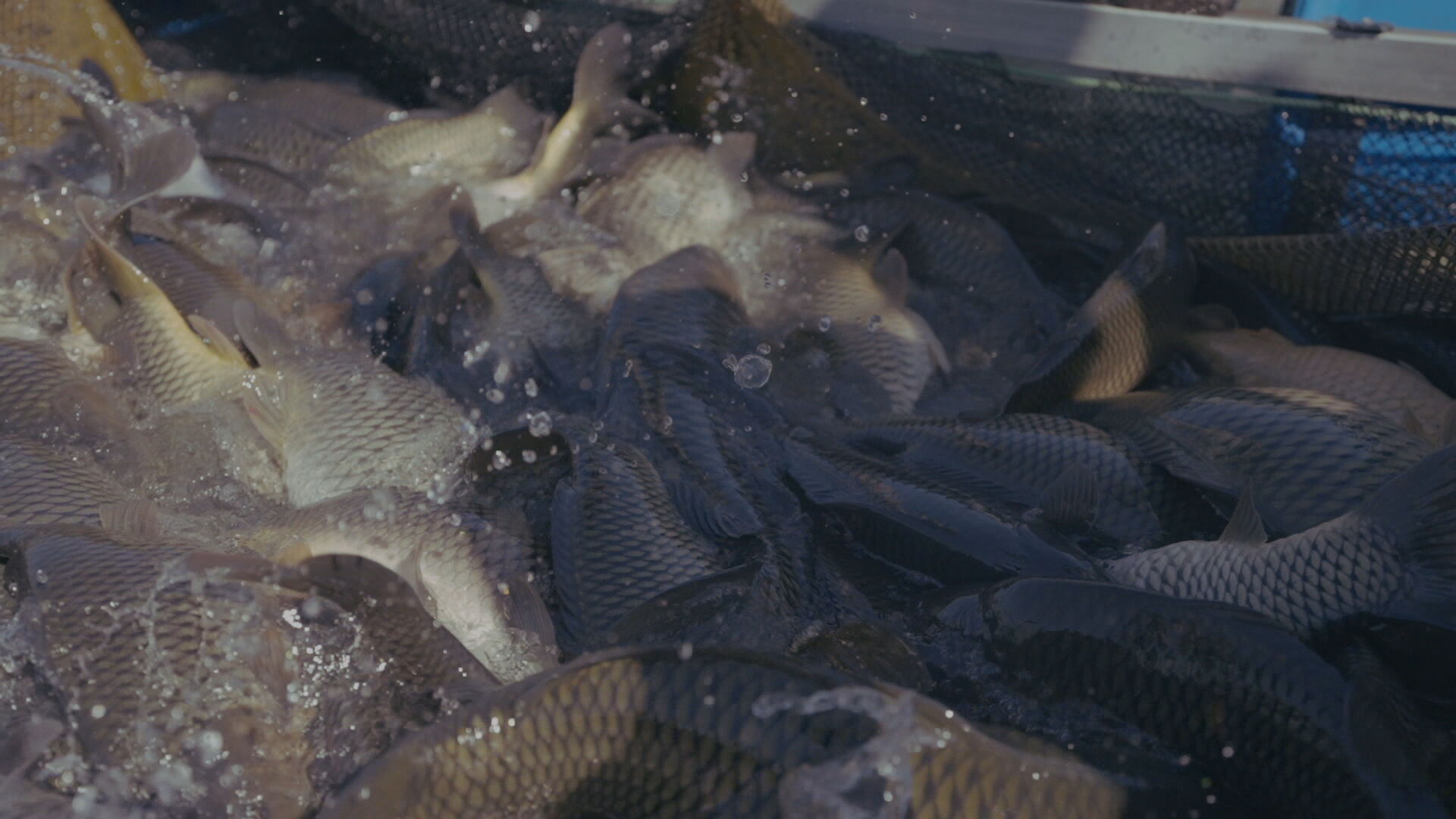
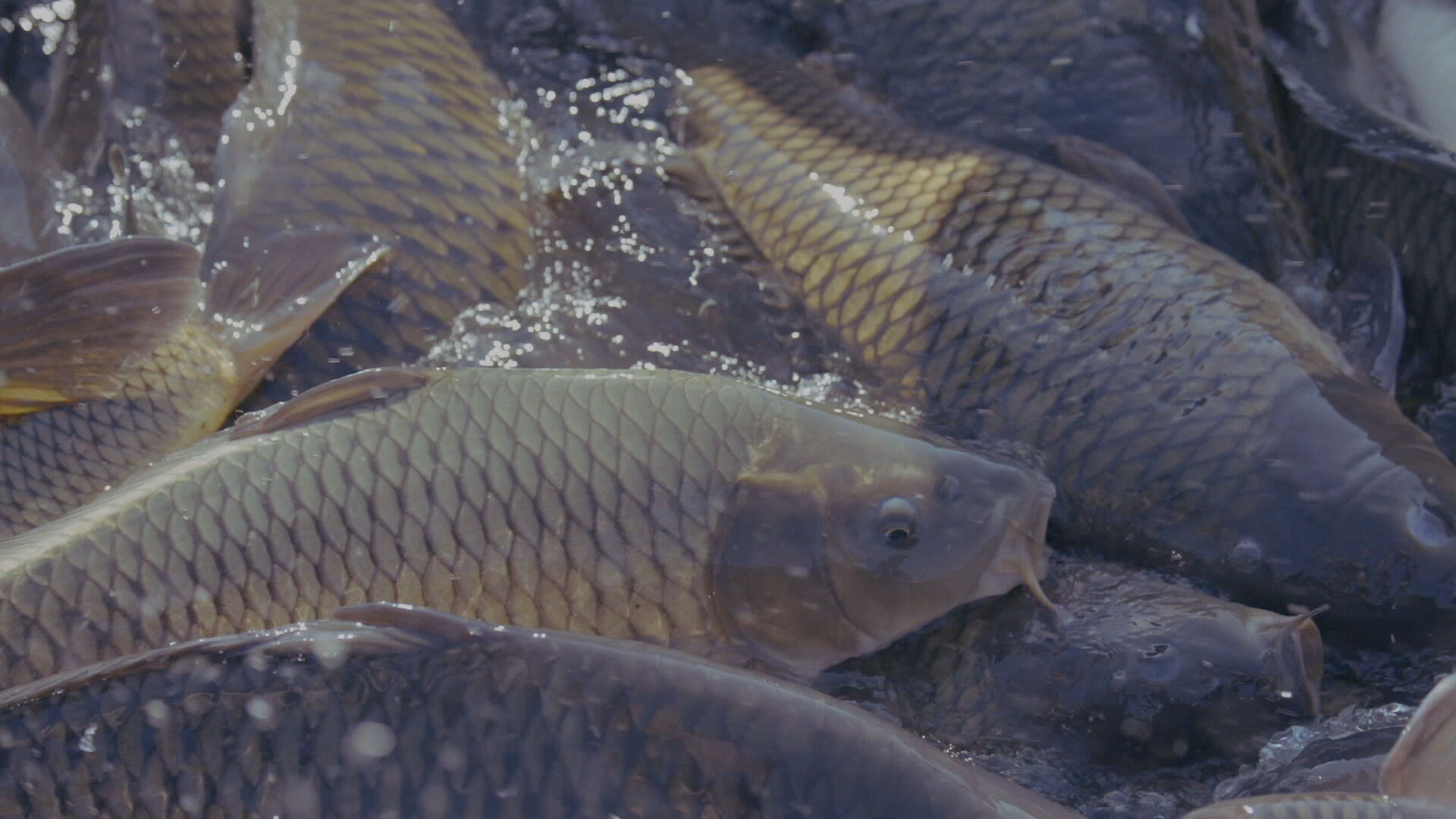
Carp remains the dominant and most economically viable species; while salmon farming exists in the colder, mountainous areas, it remains limited due to higher operational costs and the strict biological requirement for pristine, cold water. Notably, the industry has grown robust enough that surplus local production is now actively exported to central and southern Iraqi cities.
Infrastructure as an Economic Asset
This surge in domestic production is not accidental; it is the result of deliberate government policy.
Under the leadership of Prime Minister Masrour Barzani, the Ninth KRG Cabinet has prioritized agriculture, livestock, and fisheries as key pillars of non-oil economic growth.
Over the course of the current administration, more than 200 new fish-farming projects have been established.
To catalyze this investment, the government slashed bureaucratic red tape to expedite project approvals and introduced vital customs exemptions on modern equipment and specialized feed components to artificially lower overall production costs.
Beyond bureaucratic support, the KRG is actively stocking its public waters.
The Ministry of Agriculture and Water Resources recently executed a massive initiative, releasing 3.5 million fish fingerlings into the Gomaspan, Bestora, Smaquli, and Aqoban dams.
Read More: KRG Releases 3.5 Million Fish Fingerlings into Reservoirs to Boost Domestic Production
Najmuddin announced that as continued support for the domestic sector, an additional 500,000 to 800,000 fingerlings will be introduced to the region's reservoirs over the next two months.
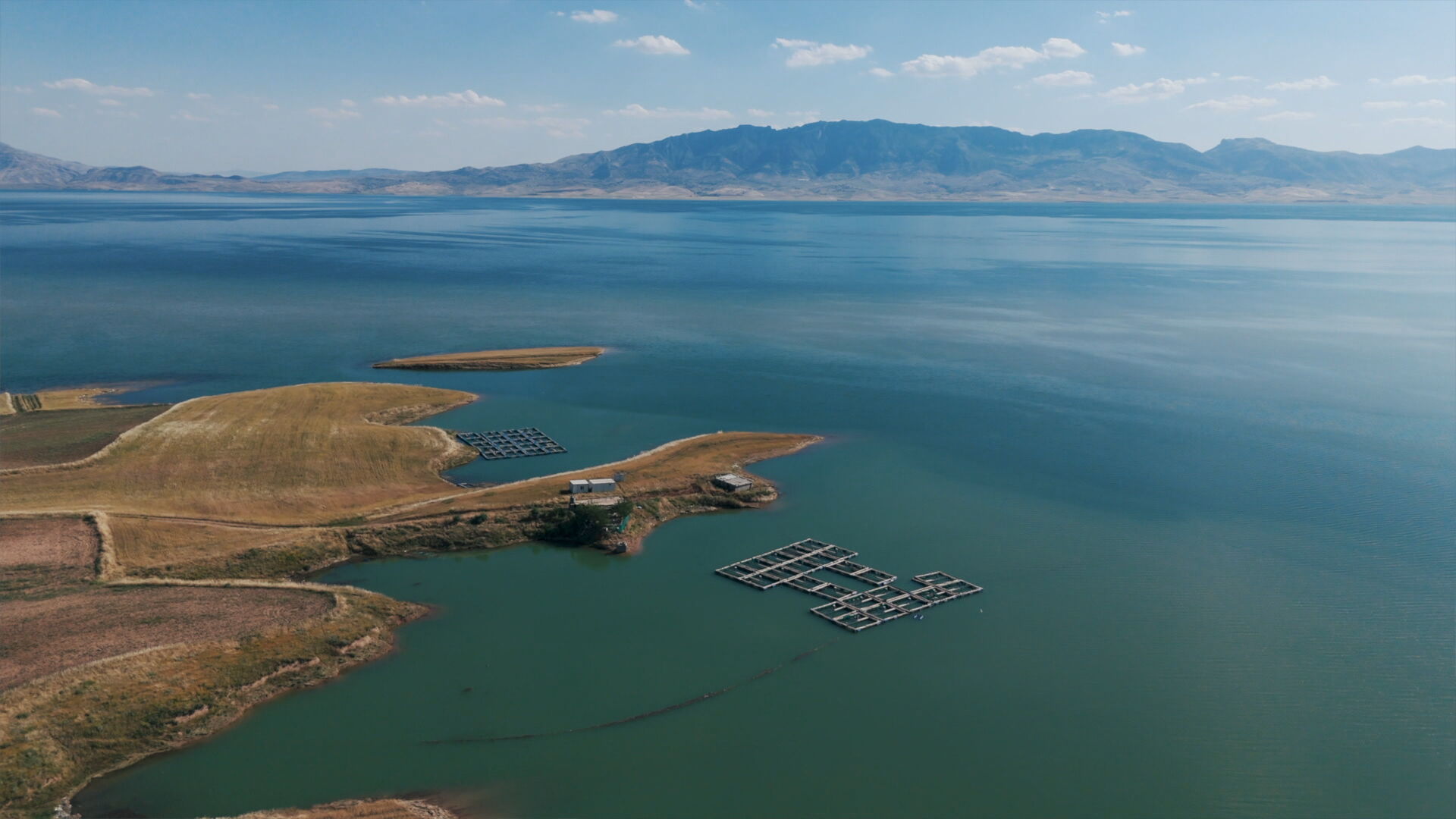
This extensive stocking program is deeply intertwined with the KRG's broader climate adaptation and water-management policies. Driven by recurring regional droughts and declining rainfall, the government has accelerated dam construction and water-harvesting projects.
These reservoirs serve multiple purposes: they recharge critical groundwater reserves, provide essential agricultural irrigation, and have now become vital ecosystems supporting aquaculture and natural biodiversity.
Furthermore, these waterfronts are increasingly integrated into regional tourism development plans, turning environmental conservation into a multifaceted economic asset that attracts visitors and stimulates local businesses.
The Technological Evolution of Kurdish Aquaculture
The true depth of the sector's evolution is best understood by examining the diverse, modernizing production methods now utilized across the region, a technological transition heavily documented by the Bûjanewe program.
The Foundation: Traditional Earthen Ponds
Earthen pond farming remains a foundational element of the region's aquaculture, though it requires highly specific geographical conditions to succeed.
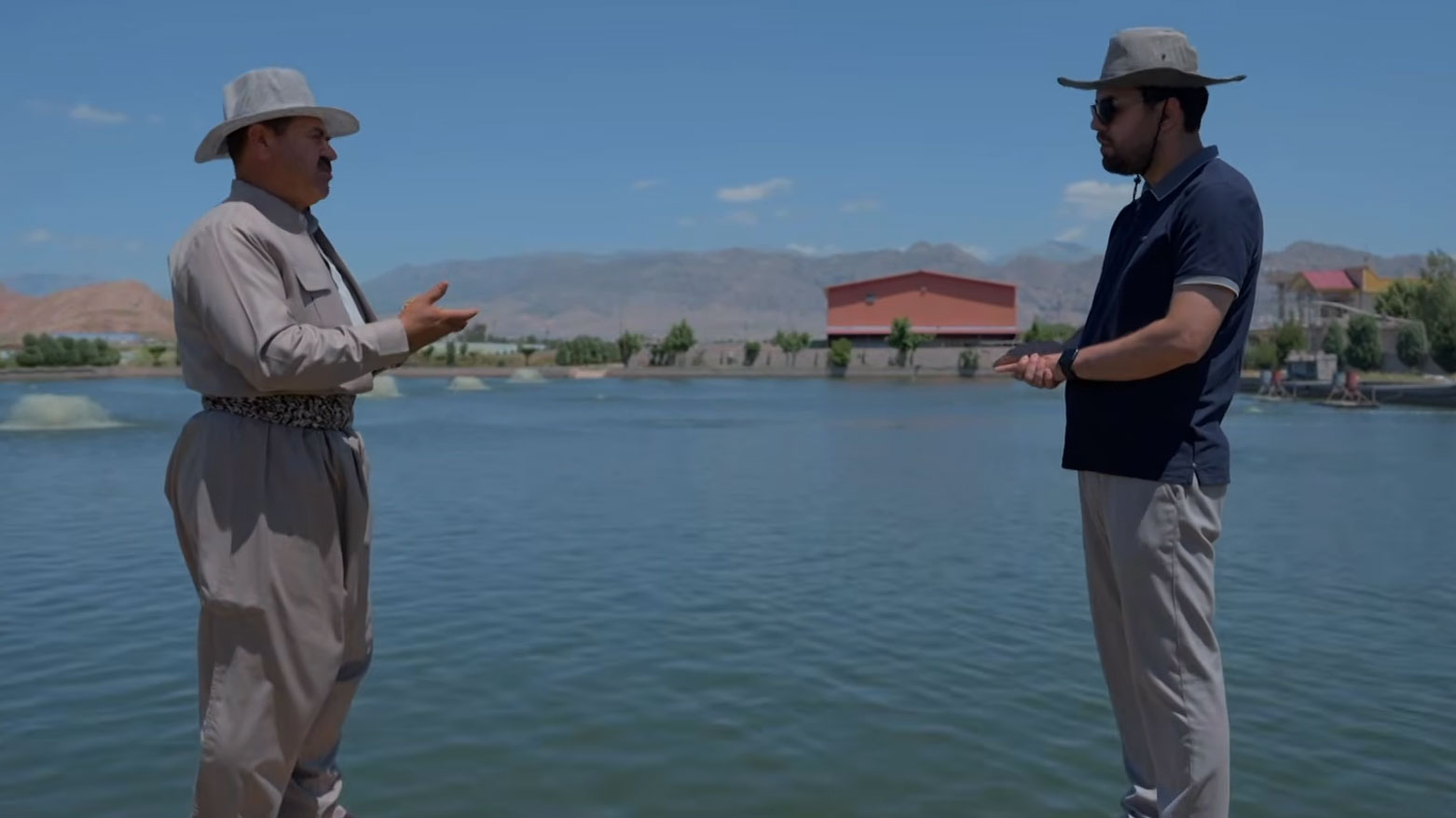
Arsalan Haji Bengirdi, who operates an eight-pond facility in Raniya containing roughly 50,000 carp, explained the precise requirements.
"A fish pond must be on red clay soil so that it doesn't leak water," he noted, adding that porous soil leads to massive financial losses through exorbitant water-pumping electricity bills. When optimized, his traditional ponds yield between 100 and 140 tons annually.
Bengirdi's operation also highlights the sector's employment impact; he noted that he pays monthly salaries to 62 people, directly and indirectly. He relies exclusively on locally manufactured feed, stating, "I am confident that our own local product is far superior to the products from outside and neighboring countries."
The Vanguard: Intensive Recirculating Aquaculture Systems (RAS)
As usable land and clean water become premium resources, farmers are turning to high-tech, space-saving solutions. Intensive indoor RAS projects represent a monumental leap in regional agricultural efficiency.
Shemal Shekh Mohammed, a fish farmer who designed and operates his own RAS facility, champions the technology for its minimal spatial and environmental footprint. "The intensive fish tank system... in a very small area, with very little water, gives high production," he explained.
The system relies on a sophisticated filtration matrix: drum filters extract solid coarse waste, ozone devices eliminate harmful bacteria, and biological tanks chemically rebalance the water before it is safely recirculated back to the fish. "The benefits are great," Mohammed added, "and it also has no negative impact on the environment."
The Scale: Cage Farming and Broodstock Development
To truly scale production, entrepreneurs are leveraging the region's expansive new dam reservoirs. Aras Rasool began his aquatic operation in 2017 with just four cages. Today, his facility houses over 3,000 mother fish, establishing the first major local broodstock project in the Kurdistan Region.
Historically, Kurdish farmers relied on importing sensitive broodstock from southern Iraq or neighboring foreign countries.
By domesticating this biological process, Rasool has drastically improved the resilience of the local supply chain. "In terms of immunity and resistance, it is much, much stronger than a fingerling that comes from outside the Kurdistan Region," Rasool noted, attributing this robust health to the clean, natural dam environment where the fish are raised.
Overcoming Currents: Imports, Costs, and Expertise
Despite impressive domestic momentum, the journey toward total market self-sufficiency is fraught with structural challenges.
The most pressing threat to domestic farmers is aggressive market competition from imported fish, which routinely undercuts local pricing and threatens the baseline profitability of domestic producers.
"It has created a massive problem for us," Bengirdi lamented regarding foreign imports. He noted that selling his four-kilo carp at 4,000 dinars per kilo results in an operational loss due to overhead costs. "Only at 5,000 dinars does it not lose money. When I make a loss, I am forced to stop stocking them."
Furthermore, managing these complex biological systems requires significant technical expertise.
Poor project planning, high electricity costs for continuous water pumping, and the constant threat of aquatic disease can easily bankrupt uneducated operators.
Brwa Abdulla, Head of the Fish Resources Division in the Raparin Independent Administration, warned that consulting engineers and experts is paramount for prospective farmers.
"Most of those who suffer losses do so because they are operating without expertise," Abdulla stated.
He advised strict protocols to mitigate losses, such as introducing new fish only during the cooler late-afternoon hours and rigorously inspecting for disease prior to stocking.
Furthermore, he noted the importance of fasting the fish during transport to lower mortality rates: "In the summer, you should wait about four to five days so that the stress on the fish subsides."
For the sector to reach its full economic potential, industry leaders are calling for modernized legal frameworks to safeguard domestic investments.
As Rasool pointed out, "Undoubtedly, the aquaculture sector in the Kurdistan Region needs support. We, as the private sector, have done what we can, but we need more modern guidelines and laws to protect these types of projects."
A Resilient Horizon
The development of the Kurdistan Region's fisheries is not merely a localized agricultural success story about increasing the supply of carp. It is a powerful, globally relevant narrative of economic adaptation.
As Rasool accurately summarized, the industry's economic footprint is vast: "From the fish hatchery all the way to the street vendor selling it on the roads, it has a very strong and massive chain. A huge number of people rely on fish production for their livelihood."
By transforming basic water infrastructure into high-yield, technologically advanced food production centers, the region is actively writing a new economic playbook.
It is deliberately moving away from the historic vulnerabilities of oil dependency and volatile global food supply chains, opting instead to cultivate a sustainable, self-sufficient, and resilient future from within its own waters.