Iran Defends Missile Strikes As Araghchi Discusses Regional Escalation with Iraqi Counterpart
The Iranian FM briefed Iraq on Tehran's recent missile attacks against Israel while expanding diplomatic consultations with regional and international officials
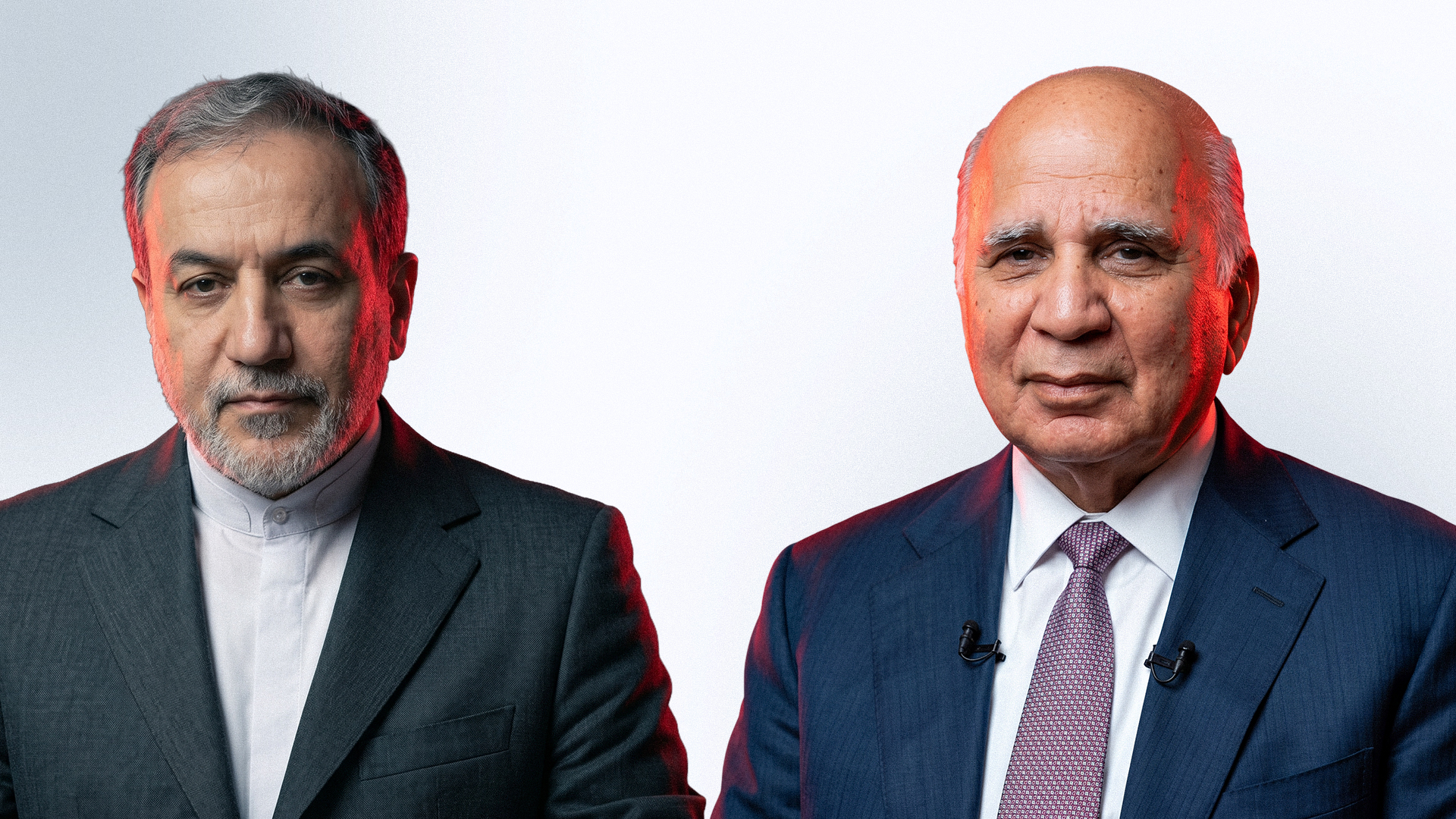
ERBIL (Kurdistan24) - As fears of a broader regional conflict continue to mount, Iranian Foreign Minister Abbas Araghchi held a telephone conversation with Iraqi Foreign Minister Fuad Hussein early Monday to discuss the latest security developments, including Tehran's recent missile strikes against Israel and the escalating military tensions across the Middle East.
During the call on early Monday, Araghchi provided what Iranian officials described as a detailed explanation of the reasons behind Iran's missile operation against Israel.
According to Iranian officials, Araghchi said the strikes were carried out in response to what Tehran considers repeated violations of the ceasefire agreement reached on April 8, as well as Israeli military actions inside Lebanon.
The two foreign ministers also exchanged views on the potential consequences of the current crisis and the risks associated with a further expansion of hostilities across the region.
Iran expands diplomatic contacts
The conversation with Hussein came after Araghchi conducted a series of separate telephone calls on Sunday with British Foreign Secretary Yvette Cooper, Turkish Foreign Minister Hakan Fidan, and Pakistan Army Chief Field Marshal Asim Munir.
According to Iranian state media, the discussions focused on recent regional developments, particularly Iran's missile response, which Tehran says was prompted by what it describes as Israel's continued violations of the Lebanon ceasefire agreement.
Iranian officials said Araghchi used the conversations to explain Tehran's position and discuss the latest political and military developments with the foreign and security officials.
Tehran says strikes were a legitimate response
In a separate statement, Iran's Foreign Ministry defended the missile attacks, describing them as a legitimate response to what it called continued ceasefire violations and Israeli actions against Lebanon and Iranian interests.
The ministry stated that Iranian armed forces targeted several military objectives in northern Israel following what it described as repeated Israeli violations of the April 8 ceasefire arrangement and renewed attacks against Lebanon and Iran.
According to the statement, Israel, in coordination with US forces, had carried out attacks against Iranian vessels and targets in southern Iran over the past two weeks and had engaged in what Tehran called maritime restrictions against the Iranian people.
Iran argued that its actions were conducted under Article 51 of the United Nations Charter as an exercise of its right to self-defense.
The statement also asserted that the Lebanon ceasefire formed an integral part of the broader April understanding and accused the United States of bearing direct responsibility for Israeli actions and the resulting rise in regional tensions.
Tehran further warned that any new Israeli military action against Lebanon or Iran would trigger a stronger and more comprehensive response from Iranian armed forces.
Military source warns of larger missile waves
Separately, a senior Iranian military source said Tehran has completed preparations for any potential Israeli retaliation.
Speaking to Iran's Tasnim News Agency on Sunday, the source stated that missiles are ready for launch and that any Israeli response would be met immediately.
The official claimed that a substantial number of ballistic missiles have been allocated for future operations and that a significantly broader list of strategic targets inside Israel has already been identified.
According to the source, any future Iranian missile campaign would be larger in scale and intensity than previous attacks.
"If Israel makes a mistake, the next phase of missile launches will be far denser and on a much larger scale," the source said, adding that Israel would be unable to effectively counter such an operation.
The military official also delivered a direct warning to Israel, saying Iran is fully prepared for the possibility of a wider war and urging Israeli leaders to take the warning seriously.
The remarks came after Iran launched three waves of missiles toward Israel, further intensifying regional tensions and raising concerns about the possibility of a broader military confrontation.
The latest diplomatic and military developments follow Iran's recent missile attacks against Israeli targets, which Tehran says were carried out in response to Israeli military actions in Lebanon and what it describes as repeated ceasefire violations.
The exchanges have fueled concerns among regional governments about the possibility of further escalation involving multiple actors across the Middle East, prompting intensified diplomatic engagement by Iranian officials with neighboring and international partners.
As diplomatic channels remain active, both military rhetoric and battlefield developments continue to signal a volatile and uncertain security environment across the region.