Key Outcomes of the KRG Cabinet Meeting
Meeting under Prime Minister Masrour Barzani, the KRG cabinet greenlit a permanent ministerial coordination committee and pressed federal partners to fast-track oil exports and a long-stalled customs agreement.
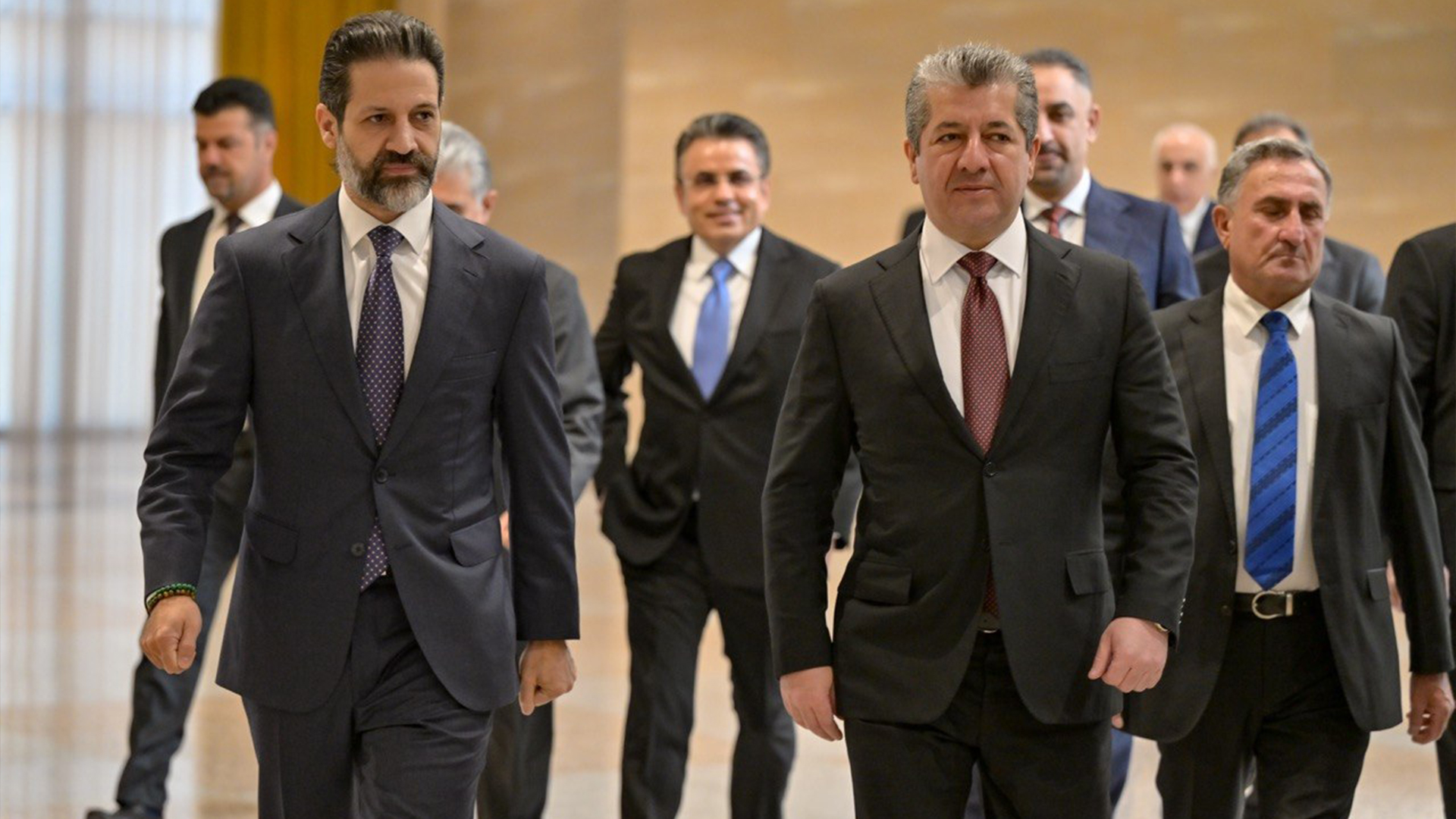
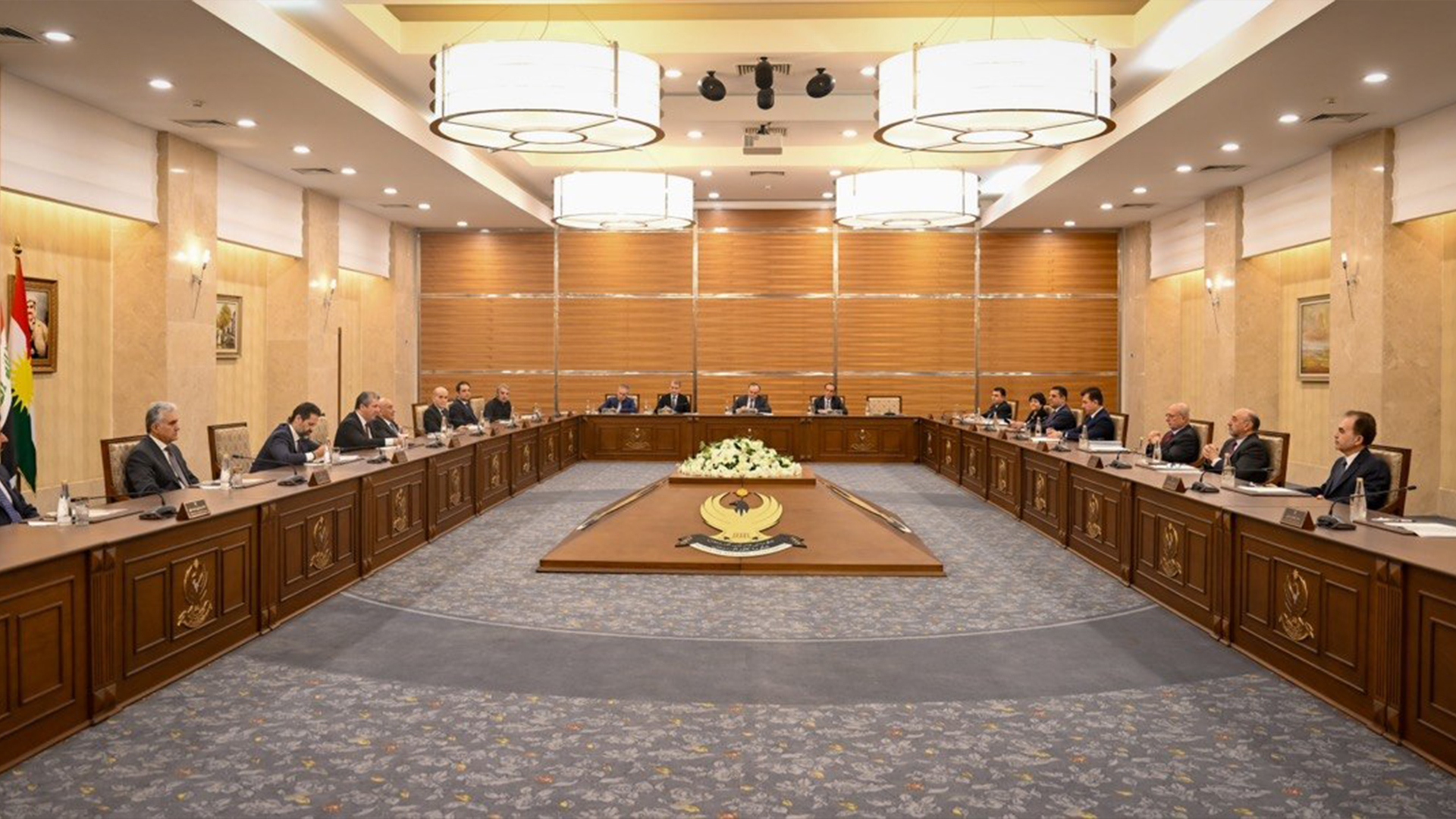
ERBIL (Kurdistan24) - The KRG cabinet convened under Prime Minister Masrour Barzani, with Deputy Prime Minister Qubad Talabani in attendance, and took a series of decisions that could redefine how Erbil and Baghdad manage their most intractable disputes.
The session, held Wednesday, addressed three interlocking crises simultaneously: the unresolved mechanics of intergovernmental coordination, a stagnant oil export file, and the revenue collapse.
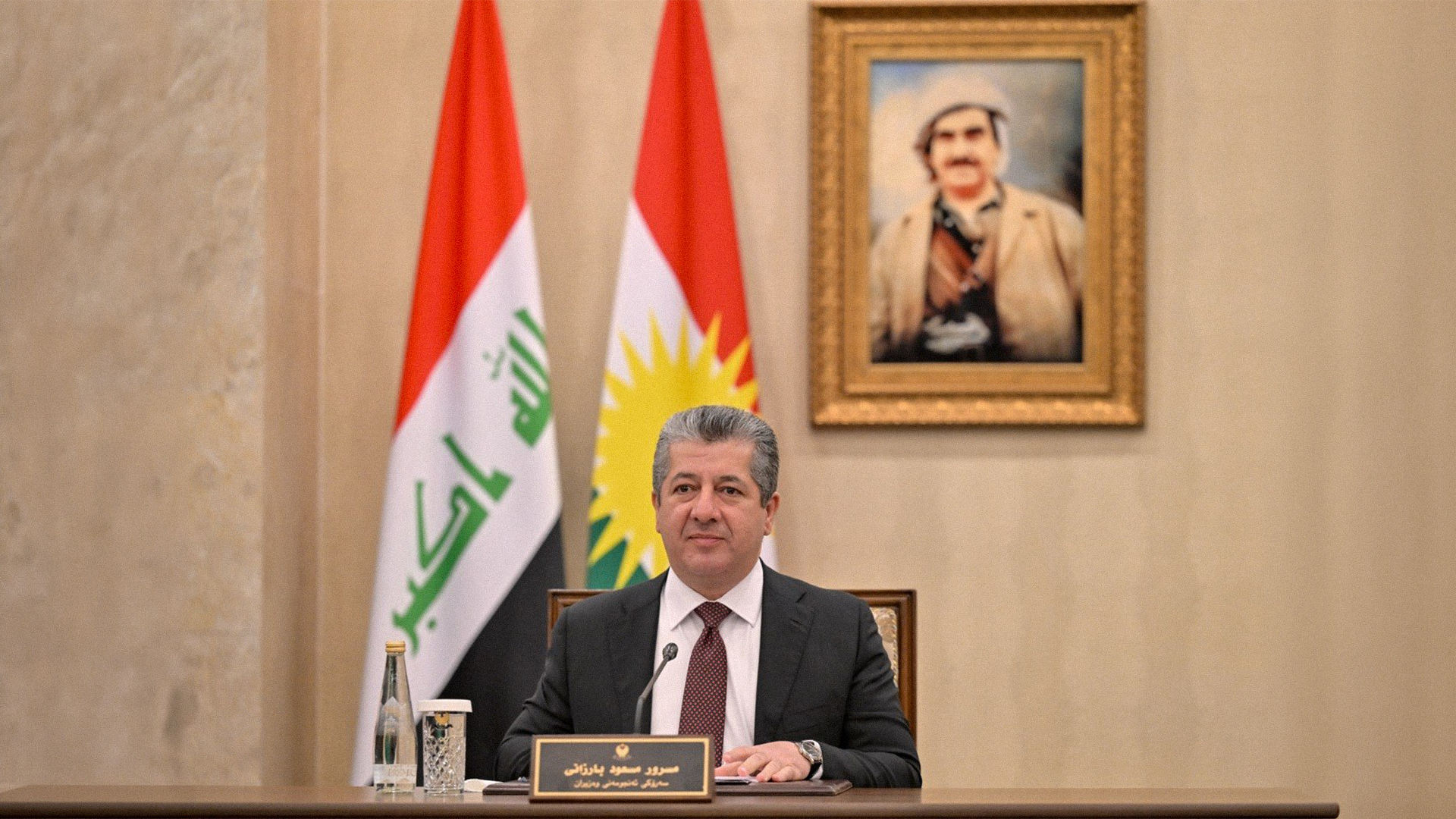
Prime Minister Barzani opened the session by briefing ministers on his most recent visit to Baghdad, framing it not as a diplomatic courtesy call but as the foundation for something more durable.
He proposed the establishment of a permanent high-level ministerial coordination committee — composed of ministers and senior officials from both the federal government and the Kurdistan Regional Government — designed to provide an institutional home for the long list of unresolved disputes between Erbil and Baghdad.
Deputy Prime Minister Talabani followed with remarks that reinforced the proposal's significance. The committee, he said, would transform dispute resolution from an ad hoc, personality-driven process into a structured, accountable framework — one capable of producing lasting outcomes rather than temporary accommodations.
The cabinet approved the proposal following deliberations over its composition and operating mechanisms, and resolved to formally transmit it to the federal government for joint endorsement by both administrations.
The second item on the cabinet's agenda brought the oil file back to the center of deliberations. The acting Minister of Natural Resources, accompanied by members of the Kurdistan Region's negotiating delegation, briefed the cabinet on the outcomes of the most recent round of talks with the federal government and with representatives of the international oil companies operating in the Region.
The cabinet reaffirmed the Kurdistan Region's declared support for the new federal government under Prime Minister Ali Falih Al-Zaidi in confronting the financial pressures created by regional instability.
That support, however, came with explicit expectations. Ministers instructed the Natural Resources Ministry and the negotiating delegation to accelerate procedures so that, at the earliest opportunity, oil exports through the Kurdistan Region pipeline reach their maximum capacity on international markets, and that the revenues generated are remitted to the federal treasury.
The cabinet went further, placing direct accountability on the oil companies themselves. It stipulated that the companies must begin increasing production and export volumes within the coming days — but only after the federal government has provided assurances guaranteeing the security of the Region's energy sector infrastructure and committed to compensating for any losses arising from attacks on those facilities, a condition Prime Minister al-Sudani had himself previously underscored.
The session's third major item brought the Kurdistan Region's fiscal reality into unsparing focus. The Minister of Finance and Economy presented a detailed report on the Region's total revenues for the first five months of 2026 — figures reviewed monthly by a joint oversight team drawn from both the federal and regional financial audit bodies.
Compared to the same period in 2025, revenues have fallen sharply, a decline the minister attributed to the convergence of ongoing conflict, regional instability, and the continued failure to fully implement the ASYCODA customs management system at the Kurdistan Region's border crossings. The combined effect, the cabinet noted, has been a monthly revenue drop of more than 70 percent.
In response, the cabinet formally requested that the federal government review and honor the designated allocation of 120 billion Iraqi dinars from the federal treasury — a figure that, given the scale of the shortfall, the Region's ministers argued was not a discretionary transfer but a structural necessity.