Vance Says Hormuz Reopening and Nuclear Limits are Core Goals of Iran Deal
The U.S. vice president said reports about immediate cash payments to Iran are false and said the agreement is designed to prioritize American and allied security concerns.
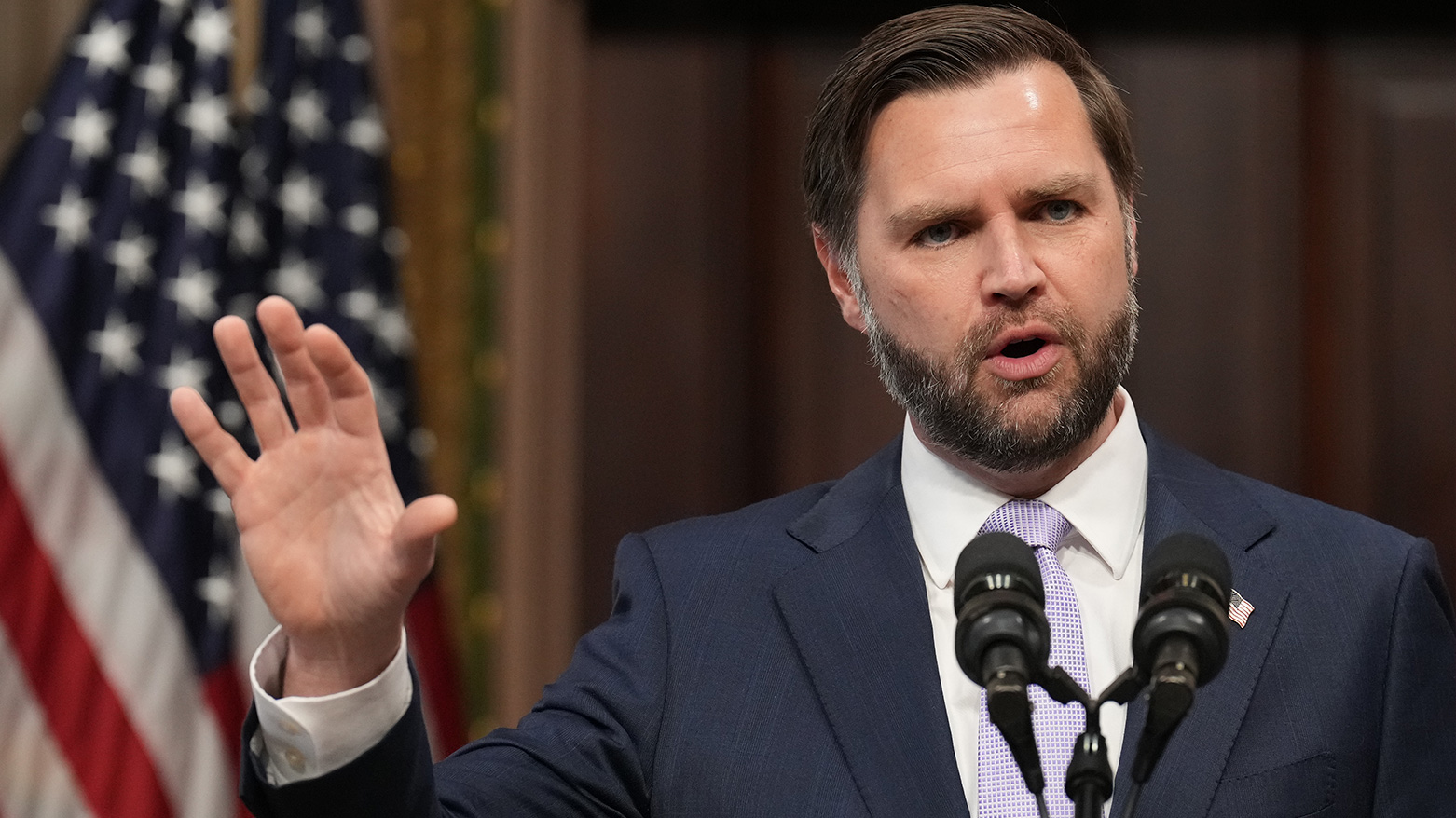
ERBIL (Kurdistan24) - U.S. Vice President J.D. Vance rejected reports suggesting Iran would receive cash merely for signing a potential agreement with Washington, saying no funds would be released simply for attending negotiations or signing a deal.
In a statement published Friday on X, Vance addressed growing speculation surrounding a possible agreement focused on reopening the Strait of Hormuz and ending Iran's nuclear weapons program.
"I'm seeing a lot of fake information about a potential deal to reopen the Strait and end Iran's nuclear weapons program," Vance wrote. "First, the Iranians are not receiving any cash, and no funds are being released for simply signing a deal or attending a meeting."
Vance said the proposed arrangement is structured to ensure that the concerns of the United States and its allies are prioritized.
"If the Islamic Republic of Iran meets its obligations, then economic benefits will flow to them and to the entire region," he said. "This deal has the potential to remake the region and lead to lasting peace."
The vice president also criticized what he described as contradictory reactions to unconfirmed reports about the negotiations.
"People who rightly said Donald Trump was a historic president a month ago are now criticizing a deal based on unconfirmed media reports," Vance wrote. He also questioned why some commentators who distrust statements from Iran's Revolutionary Guard Corps appeared willing to believe anonymously sourced social media claims.
Vance concluded by expressing confidence in President Donald Trump's handling of the negotiations.
"The president is going to get us a good outcome, one way or the other," he said.
Vance's remarks came amid controversy over reports of a draft memorandum of understanding between Washington and Tehran that would reportedly include measures related to sanctions relief, maritime security, and the future of the Strait of Hormuz.
President Trump earlier accused Iran of leaking misleading terms to the media and described Tehran as negotiating in bad faith, while also condemning what he said was an Iranian drone attack targeting Indian ships near the Strait of Hormuz.
Reports about the draft agreement have suggested that negotiations could extend beyond a traditional ceasefire framework, though key details remain unconfirmed and Iranian authorities have not finalized any agreement.
The latest statements underscore both the potential scope of the talks and the deep mistrust that continues to shape relations between Washington and Tehran as negotiations continue.