Netanyahu Reportedly Stunned by Progress in U.S.-Iran Negotiations
The Israeli prime minister was reportedly surprised by the rapid progress in U.S.-Iran negotiations, as Washington and Tehran move closer to a potential agreement
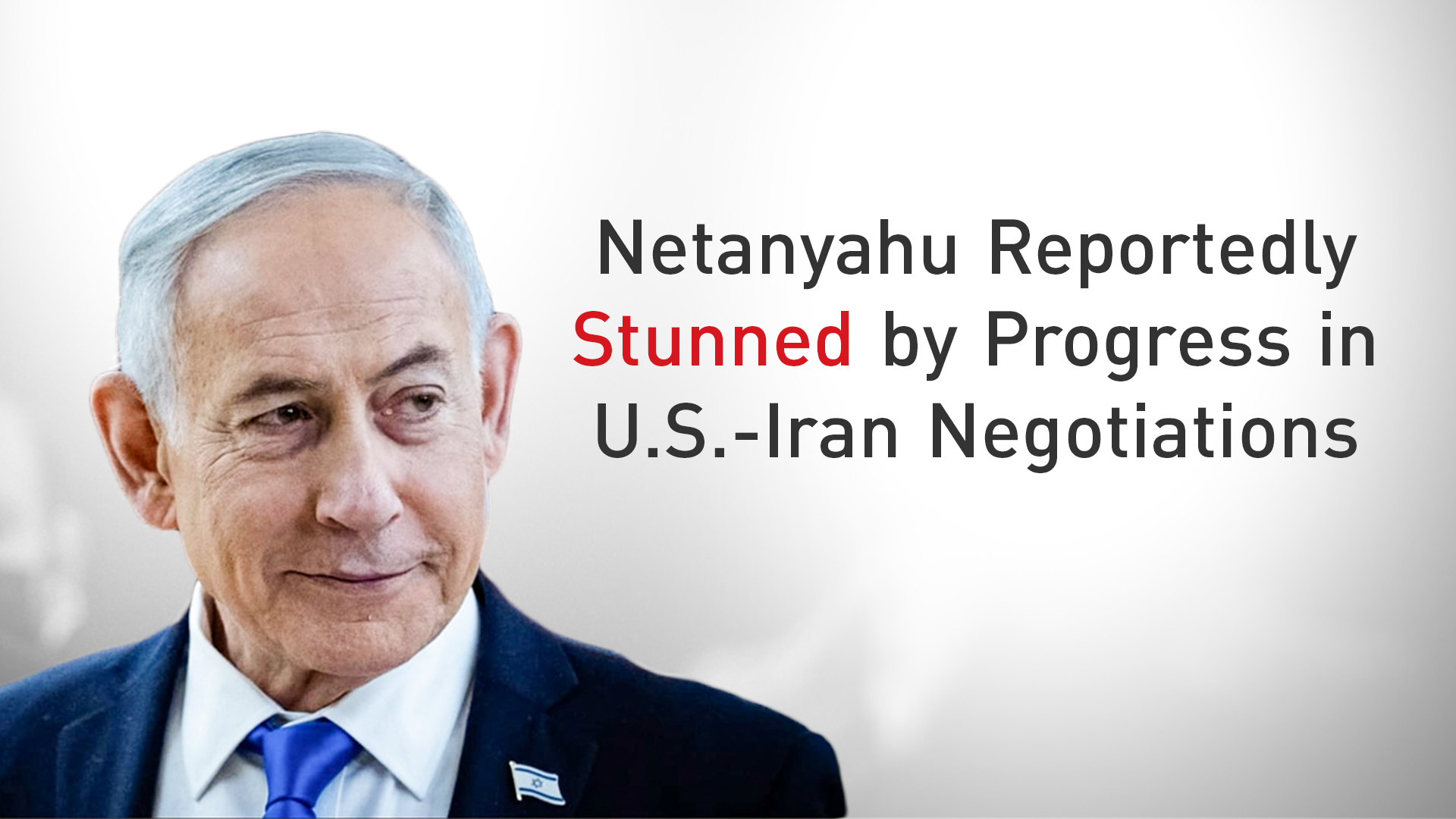
ERBIL (Kurdistan24) - Israeli Prime Minister Benjamin Netanyahu was reportedly shocked after learning that the United States and Iran are approaching the final stages of a potential agreement, according to a senior U.S. official cited by the American news outlet Axios.
The report said Netanyahu expressed concerns during a phone call with U.S. President Donald Trump, particularly regarding Iran's nuclear program and whether the proposed agreement would genuinely compel Tehran to abandon its nuclear ambitions.
According to the senior U.S. official, Netanyahu did not expect negotiations between Washington and Tehran to advance so quickly and was surprised by how close the two sides were to signing an agreement.
The official explained that Israel's concerns stem from fears that the agreement may fail to ensure Iran makes fundamental and irreversible concessions regarding its nuclear activities.
Despite those concerns, the official said Israel continues to trust Trump to secure an agreement that takes into account the shared security interests of both the United States and Israel.
The reported phone conversation comes as negotiations between Washington and Tehran have entered what officials describe as an advanced stage, with both sides signaling progress toward a new understanding.
Trump previously stated that the prospective agreement with Iran would be beneficial for the region and argued that the time had come to reduce tensions.
Israel is not directly participating in the negotiations between the United States and Iran, but remains concerned that sanctions relief for Tehran could strengthen Iran economically and allow it to continue advancing its nuclear program.
According to the report, Washington's primary objective is to reduce regional tensions and establish a 60-day ceasefire that would create space for broader negotiations on a range of outstanding issues.
The diplomatic developments come amid continuing security tensions across the region.
On Saturday, Israeli military operations intensified in southern Lebanon, where one person was killed in an Israeli drone strike targeting the cemetery of Maarakeh, according to Lebanon's National News Agency.
The Israeli military also issued evacuation warnings for residents of 20 towns and villages across southern Lebanon, while additional airstrikes were reported in the Nabatieh district. Lebanese media further reported that Israeli forces demolished homes and government institutions in Bint Jbeil and shelled the town of Srifa.
The latest escalation occurred despite an earlier ceasefire announcement on April 16 and subsequent extensions of the agreement.
Meanwhile, Iranian Foreign Minister Abbas Araghchi said on Friday that negotiations with Washington are approaching a decisive stage and argued that Israel remains the principal opponent of a potential agreement between the two countries.
Araghchi said the proposed understanding remains under review and accused Israel of attempting to undermine the diplomatic process as discussions continue over sanctions relief, maritime restrictions, and other unresolved issues.
As negotiations move closer to a possible breakthrough, the contrasting reactions from Washington, Tehran, and Jerusalem underscore both the opportunities and the risks surrounding one of the most consequential diplomatic initiatives currently underway in the Middle East.