Heatwave to Grip Kurdistan Region as Temperatures Soar Above Seasonal Norms
Meteorological experts warn of a significant surge in temperatures during the second half of June, citing a combination of the summer solstice and the influence of a deepening Indian seasonal low-pressure system.
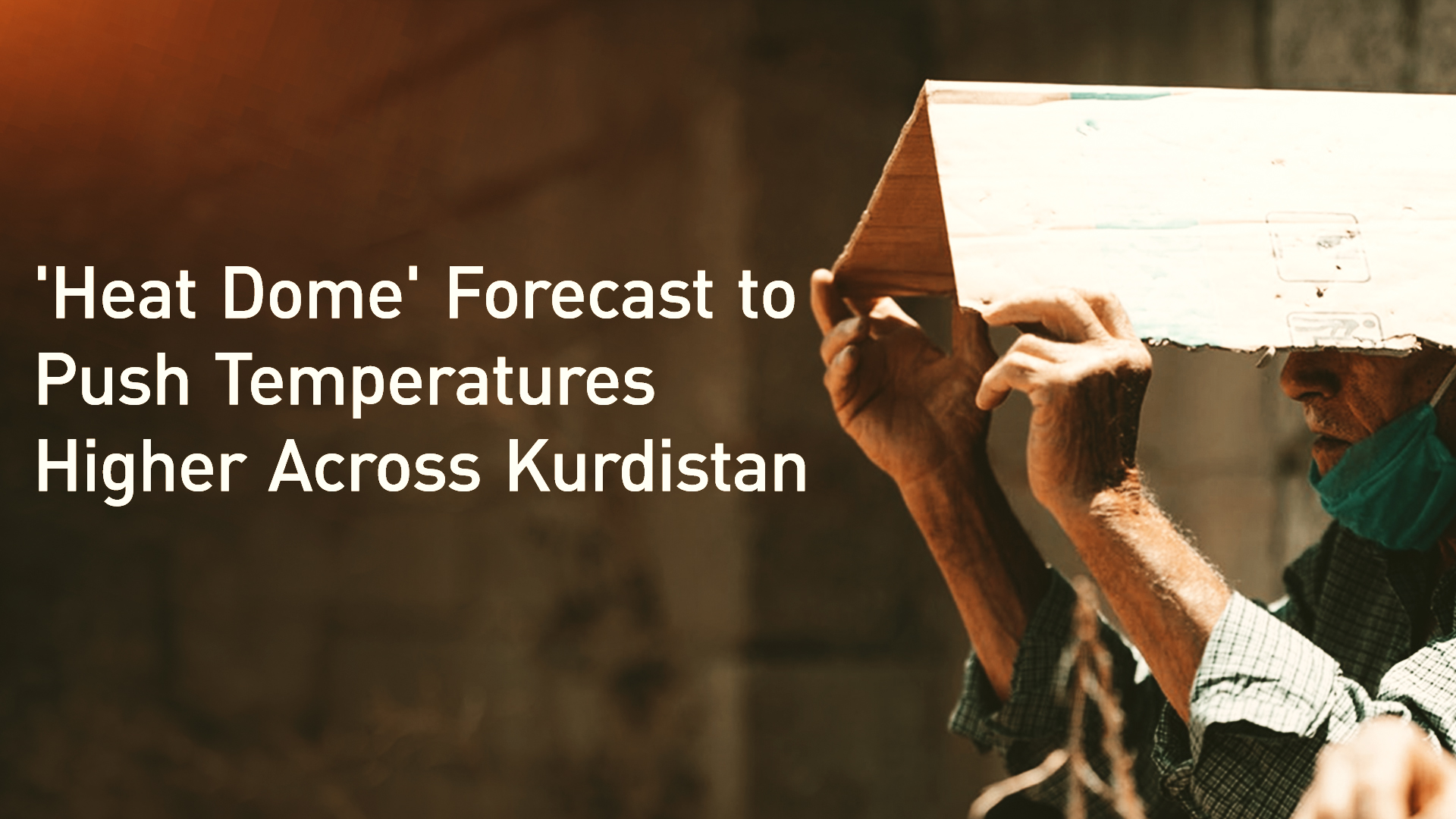
ERBIL (Kurdistan24) - The Kurdistan Region is poised to enter a new and punishing phase of the summer season, with meteorological data indicating a significant spike in temperatures across the territory. According to Dr. Suleiman Abdullah, a prominent expert in meteorology, the region will face its first major heatwave between June 15 and June 30, with the peak intensity expected to occur after June 17.
Speaking to Kurdistan24 on Sunday, Dr. Abdullah noted that temperatures are projected to climb between 3 and 5 degrees Celsius above their historical seasonal averages.
The heatwave is expected to reach its zenith around June 22, blanketing the region in a period of sustained, high-intensity heat.
The Science of the 'Heat Dome'
The timing of this meteorological surge coincides with the summer solstice on June 21, the longest day of the year in the Northern Hemisphere.
Dr. Abdullah explained that during this period, the Earth's northern axis reaches its maximum tilt toward the sun, resulting in more direct, vertical solar radiation. This orientation allows the ground to absorb a vast amount of thermal energy over a longer duration.
This solar effect is being compounded by a deepening Indian seasonal low-pressure system, which is actively drawing a mass of exceptionally hot and dry air from the Arabian Peninsula and North Africa into the Kurdistan Region.
Dr. Abdullah warned that this interaction is likely to create a "Heat Dome", a phenomenon where high-pressure atmospheric conditions trap hot air in the lower layers of the atmosphere, preventing circulation and leading to stagnant, rising temperatures.
A Regional Breakdown of the Surge
The impact of the heatwave will vary across the region's diverse landscape.
The hottest conditions are forecast for the Garmian administration and Kirkuk province, where temperatures are expected to fluctuate between 44°C and 46°C, with the potential to reach a blistering 48°C during peak hours.
In the major urban centers of Erbil, Sulaimani, and Duhok, residents should prepare for temperatures ranging between 40°C and 44°C.
Meanwhile, the mountainous areas, benefiting from their higher elevation, are expected to remain relatively cooler, with temperatures hovering between 32°C and 39°C.
Low Humidity and Fire Risks
Beyond the rising mercury, Dr. Abdullah warned of a dramatic drop in humidity levels, which could fall as low as 12 percent.
This creates what he described as "scorching air", an environment that can cause rapid human dehydration and physical distress.
While some "thermal rain" may occur temporarily over high mountain peaks, experts clarify that such precipitation will offer no relief from the heat; instead, the resulting evaporation may increase humidity levels locally, leading to more "muggy" and uncomfortable conditions.
The extreme weather has also prompted an urgent advisory for the agricultural sector.
As the region is currently in the midst of the harvest season, the combination of high temperatures and arid air creates a volatile environment for crop fires.
"Crops can ignite with ease under these conditions," Dr. Abdullah warned.
He urged farmers to exercise extreme caution when operating harvesting machinery, emphasizing the need to ensure engine cooling systems are functioning correctly to prevent sparks.
The expert stressed that the presence of firefighting equipment and water tankers in the fields is now an absolute necessity to prevent localized fires from escalating into large-scale agricultural disasters.
|
Summary Meteorological experts warn that the Kurdistan Region is set to enter a period of extreme summer heat between June 15 and June 30. With a 'heat dome' trapping hot air across the region, temperatures in Garmian and Kirkuk are expected to peak at 48°C, posing severe fire risks for farmers. |