JD Vance to Join Switzerland Talks as CENTCOM Says Hormuz Remains Open to Shipping
Iran warns ceasefire agreement is at risk as negotiators head to Switzerland and tensions flare again in Lebanon
ERBIL (Kurdistan24) — The United States said commercial shipping continued to move safely through the Strait of Hormuz on Saturday despite Iran's announcement that it was once again closing the strategic waterway, highlighting growing tensions as Washington and Tehran prepare for a new round of negotiations in Switzerland.
In a statement published on its official X account, the U.S. Central Command (CENTCOM) said vessel traffic through the strait increased on June 20, with 55 merchant ships transiting the waterway and transporting more than 17 million barrels of oil to global markets.
“Safe passage through the international waterway remained intact today,” CENTCOM said, adding that U.S. forces continued operating in the area to support freedom of navigation and ensure compliance with the recently signed agreement between Washington and Tehran aimed at ending the wider Middle East conflict.
The command also noted that the Joint Maritime Information Center had issued an advisory affirming safe passage for vessels along a designated route free from what it described as arbitrary requirements or impediments.
The statement appeared to directly contradict Tehran's announcement earlier Saturday that it was again closing the Strait of Hormuz, one of the world's most important oil and gas shipping corridors.
Iran said the move was prompted by renewed Israeli military operations in Lebanon, which Tehran argued violated the terms of a broader ceasefire arrangement linked to its agreement with the United States.
Iranian officials accused Washington of a “breach of contract” and Israel of violating a ceasefire in southern Lebanon, declaring that vessel traffic through the strait would be halted.
The Strait of Hormuz, which connects the Gulf to global markets, carries a significant share of the world's seaborne oil exports. Iran had previously blocked the waterway during much of the recent regional conflict before agreeing to reopen it under a preliminary deal reached with the United States.
Despite the latest dispute, senior U.S. officials signaled optimism about ongoing diplomatic efforts.
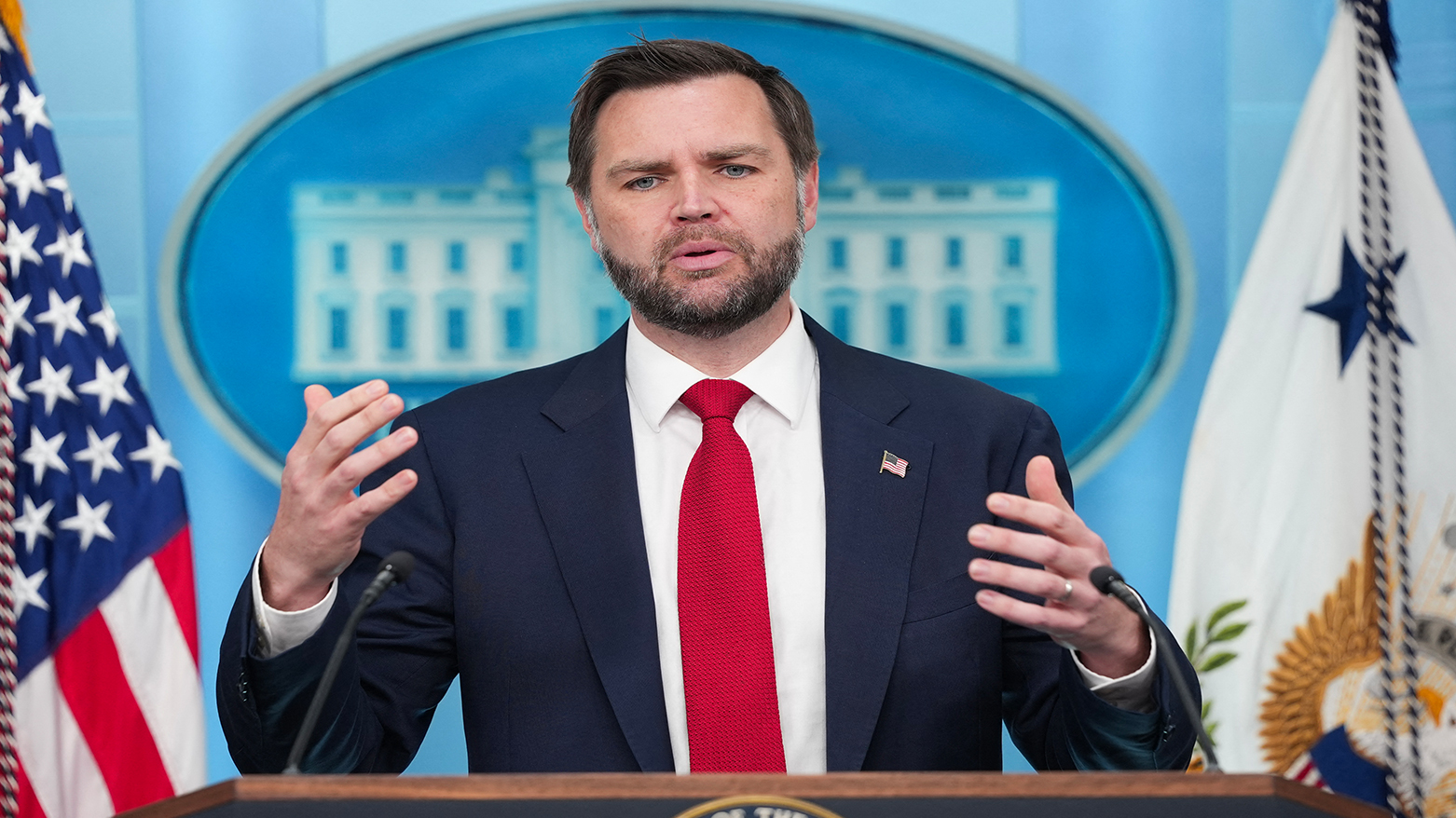
U.S. Vice President JD Vance said Saturday that he expects to travel to Switzerland within the next several days for discussions with Iranian officials, describing negotiations as progressing positively.
“I expect that I will leave sometime in the next couple of days,” Vance told Fox News, adding that the diplomatic process required careful coordination.
The vice president had unexpectedly postponed a planned visit earlier this week intended to discuss the next phase of the U.S.-Iran agreement.
Vance said U.S. negotiators Jared Kushner and Steve Witkoff were already in Switzerland managing technical aspects of the negotiations and had reported that “things are going well.”
Pakistan separately announced that technical talks on implementing the agreement would take place Sunday in Burgenstock, Switzerland, bringing together American and Iranian representatives alongside mediators from Pakistan and Qatar.
Meanwhile, Iranian state media reported that Tehran's negotiating team had departed for Switzerland, despite earlier warnings from Foreign Ministry spokesman Esmaeil Baqaei that the agreement was “in trouble.”
Baqaei cautioned that the accord could be jeopardized unless its provisions were implemented promptly, reflecting growing Iranian frustration over continued fighting in Lebanon.
The latest tensions stem from renewed clashes between Israel and the Iran-backed Hezbollah movement, which have continued despite a ceasefire announced Friday by Washington and regional mediators.
The U.S.-Iran agreement was intended to halt hostilities across the Middle East, including in Lebanon, where exchanges of fire between Israeli forces and Hezbollah have persisted.
The Switzerland negotiations are expected to launch a two-month process aimed at addressing unresolved issues between Washington and Tehran, including Iran's nuclear program and mechanisms for ensuring the long-term implementation of the agreement designed to end the regional war.