White House Says Trump Will Reject Any Iran Deal Resembling JCPOA
Press Secretary Karoline Leavitt says emerging agreement must serve U.S. national security and uphold Trump's "America First" agenda
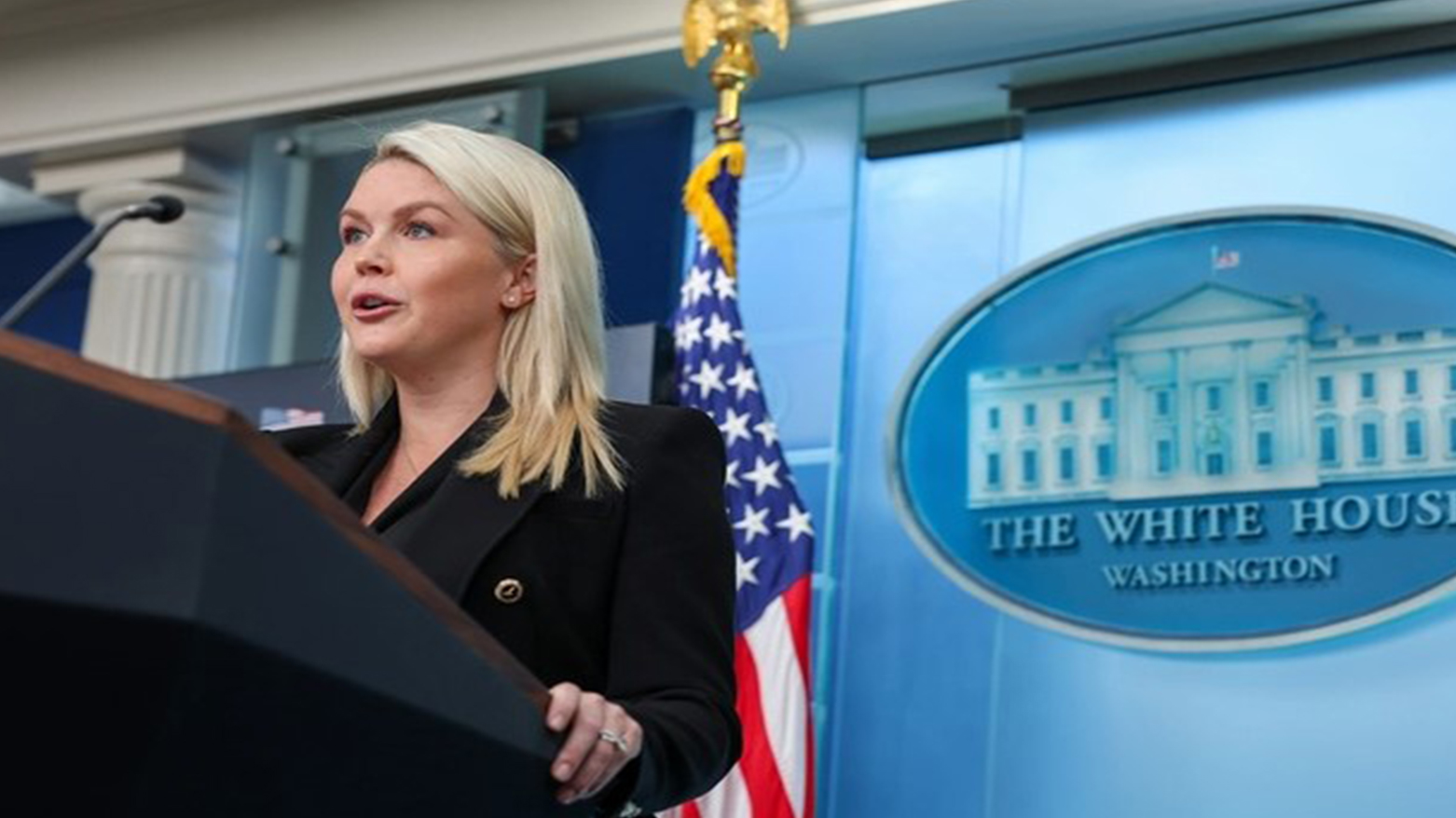
ERBIL (Kurdistan24) — The White House on Tuesday dismissed comparisons between ongoing U.S.-Iran negotiations and the 2015 nuclear agreement, with Press Secretary Karoline Leavitt insisting that President Donald Trump would not support any deal resembling the Joint Comprehensive Plan of Action (JCPOA).
Speaking to FOX News as Washington and Tehran continue negotiations aimed at ending months of regional conflict and addressing nuclear concerns, Leavitt said suggestions that Trump could endorse a deal similar to the Obama-era accord were unfounded.
"It is ludicrous to assume that President Trump would ever sign on to a deal that compares — in any way, shape, or form — to the disastrous JCPOA," Leavitt said.
She argued that any agreement reached by the administration would be designed to strengthen U.S. security interests while delivering tangible benefits for the American public.
"This deal is going to ensure that it benefits not just America's national security interests, but the American people as well," she added.
Leavitt also emphasized that Trump would only endorse an agreement that aligns with his administration's strategic priorities.
"President Trump, I know, will never sign on to a deal that does not serve this country and our national security interests. He is always looking out for America First," she said.
The remarks come as U.S. and Iranian negotiators advance discussions in Switzerland following a ceasefire that ended weeks of direct hostilities between the two countries.
The talks have expanded beyond immediate security concerns to include nuclear oversight, sanctions relief, maritime security in the Strait of Hormuz, and the release of frozen Iranian assets.
On Tuesday, Iranian state media reported that technical talks between the two sides had concluded with an agreement to establish four working groups focused on sanctions termination, nuclear affairs, reconstruction and economic development, and implementation mechanisms. The working groups are expected to continue detailed negotiations in the coming weeks.
The White House has sought to portray the emerging framework as fundamentally different from the JCPOA, the landmark nuclear accord reached in 2015 between Iran and world powers.
Under that agreement, Iran accepted restrictions on its nuclear program in exchange for sanctions relief. Trump withdrew the United States from the deal during his first term in 2018, arguing that it failed to curb Iran's regional activities and would eventually allow Tehran to expand its nuclear capabilities.
Since returning to office, Trump has repeatedly criticized the JCPOA as one of the worst foreign policy agreements in U.S. history and has vowed to pursue a tougher approach toward Iran.
Administration officials maintain that any new arrangement would include stricter verification measures and broader provisions addressing regional security concerns.
The current negotiations represent the most significant diplomatic engagement between Washington and Tehran in years and follow months of military escalation that disrupted global energy markets and threatened shipping through the Strait of Hormuz, a vital artery for international oil trade.
While both sides have signaled cautious optimism about the talks, officials in Washington and Tehran have stressed that substantial differences remain and that further negotiations will be required before any comprehensive agreement can be finalized.