Turkish Government Expected to Introduce Legal Framework for PKK Disarmament Process in July
Draft law tied to verification of PKK disarmament as Ankara signals progress in renewed peace initiative
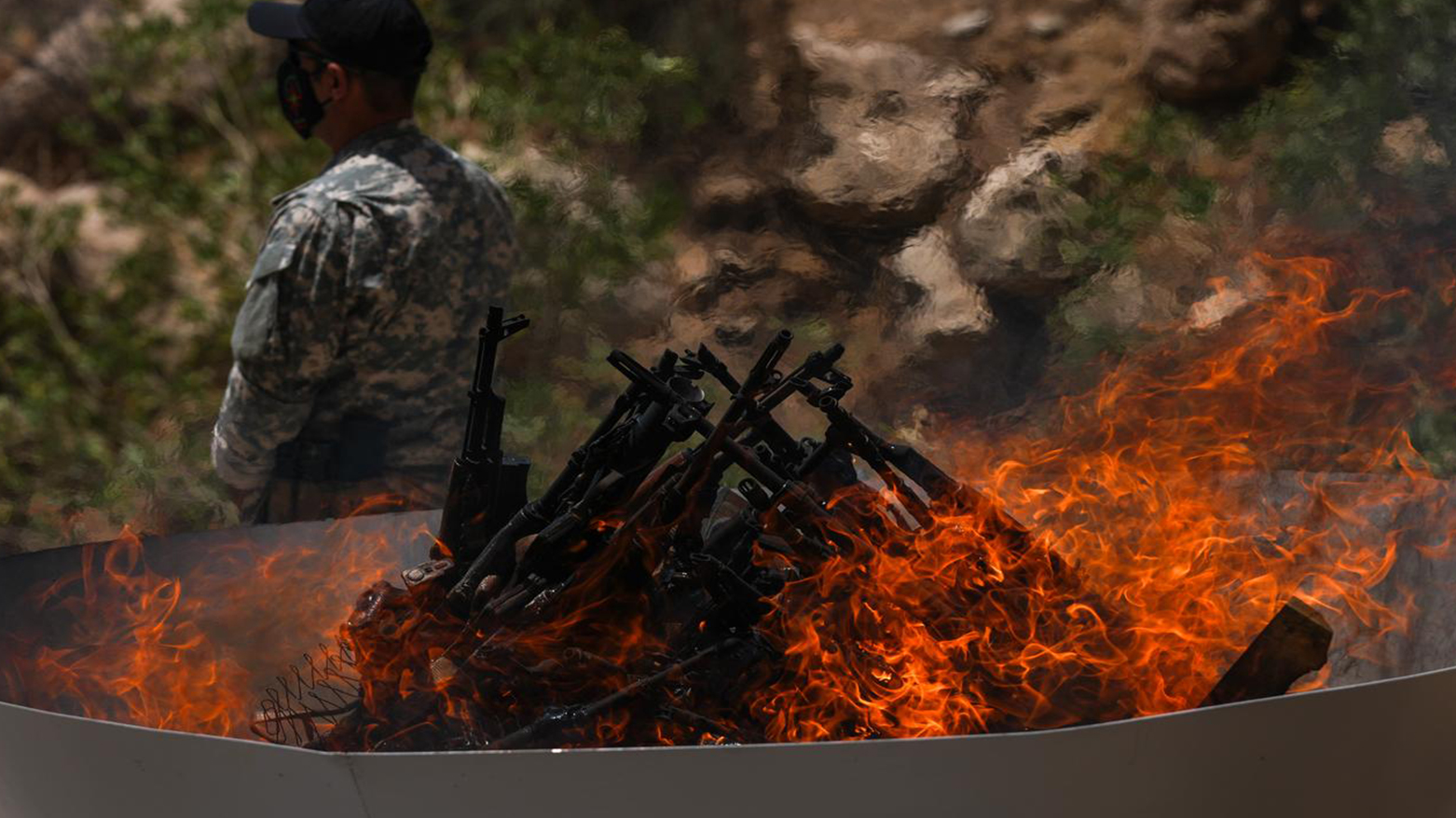
ERBIL (Kurdistan24) — Türkiye's ruling coalition is expected to introduce a framework law in July aimed at providing the legal basis for a renewed peace initiative centered on the disarmament and dissolution of the Kurdistan Workers' Party (PKK), according to a report by BBC Turkish citing government sources.
The process, described by the Turkish government as a “Terror-Free Türkiye” initiative and by the pro-Kurdish DEM Party as a “Peace and Democratic Society” process, has gained momentum in recent weeks amid intensified political consultations and backchannel negotiations.
According to sources within the ruling Justice and Development Party (AK Party) and its coalition partner, the Nationalist Movement Party (MHP), the proposed legislation could be submitted to the Turkish Grand National Assembly following the NATO Summit scheduled for July 7-8 and potentially passed before parliament begins its summer recess.
AK Party officials said the draft legislation is expected to consist of 10 to 11 articles and would enter into force only after authorities verify that the PKK has fully laid down its arms.
The proposal may be introduced under a title similar to “Law on the Dissolution, Disarmament, and Termination of the Legal Existence of the PKK-KCK Terrorist Organization,” according to party sources.
Even if the organization's name does not appear in the title, officials indicated it would be explicitly defined within the law's purpose and scope provisions.
The legislative initiative follows a series of political developments that have accelerated discussions surrounding a new peace process. Turkish President Recep Tayyip Erdoğan called for swift action during a ruling party meeting on May 20, stating that “good deeds should be done quickly.”
The process received further backing at the June 9 meeting of Türkiye's National Security Council, which reportedly described the initiative as part of the state's long-term strategic vision.
Government representatives and DEM Party officials have held direct meetings, while additional contacts have reportedly taken place through informal diplomatic channels.
Political consultations have also expanded to other parties. On June 17, CHP lawmaker Sezgin Tanrıkulu met with MHP leader Devlet Bahçeli, followed a day later by a meeting between Turkish Parliament Speaker Numan Kurtulmuş and President Erdoğan.
Following a meeting of the AK Party's Central Decision and Executive Board earlier this week, party spokesperson Ömer Çelik said discussions had reached the stage of evaluating a legal framework that would take effect upon the organization's disarmament. In a television interview on Tuesday, Çelik reiterated that any legal arrangement would be conditional on the surrender of weapons.
Officials familiar with the process acknowledged that regional developments, including tensions between Iran and Israel and ongoing developments in Syria, had influenced the pace of negotiations.
According to AK Party sources, the PKK had initially sought to assess the outcome of regional events before advancing the disarmament process, contributing to delays.
However, government officials now believe changing regional dynamics have increased public support for the initiative and improved prospects for legislative action.
Security assessments cited by ruling party sources reportedly indicate continued activity in certain areas, suggesting that authorities remain cautious about declaring the process complete.
One issue attracting particular attention is the future status of imprisoned PKK leader Abdullah Öcalan. MHP leader Devlet Bahçeli recently proposed granting Öcalan a role as a “Coordinator for the Peace Process and Political Transition.”
The AK Party, however, has distanced itself from the proposal. Party officials stressed that Öcalan remains a convicted prisoner held on İmralı Island and argued that any change to his legal status would require a separate legal process, potentially involving amnesty legislation.
“Status changes are a different legal matter,” party sources said, emphasizing that the proposed framework law does not include provisions that would amount to an amnesty.
At the same time, officials suggested that Öcalan's prison conditions could be eased within the existing legal framework. Such measures could potentially allow him to hold meetings with journalists, academics, and representatives of various segments of society, they said.
The proposed legislation is expected to become a key test of Ankara's efforts to advance a political solution to the decades-long conflict, while balancing security concerns with demands for broader democratic and legal reforms.