Turkish Court Sentences Victory Party Leader Over Remarks on Sheikh Said
The Criminal Court in the Hınıs district of Erzurum province issued its final ruling in a case related to comments Özdağ made about Sheikh Said on social media. The court imposed a fine of 8,700 Turkish liras but suspended the execution of the sentence.
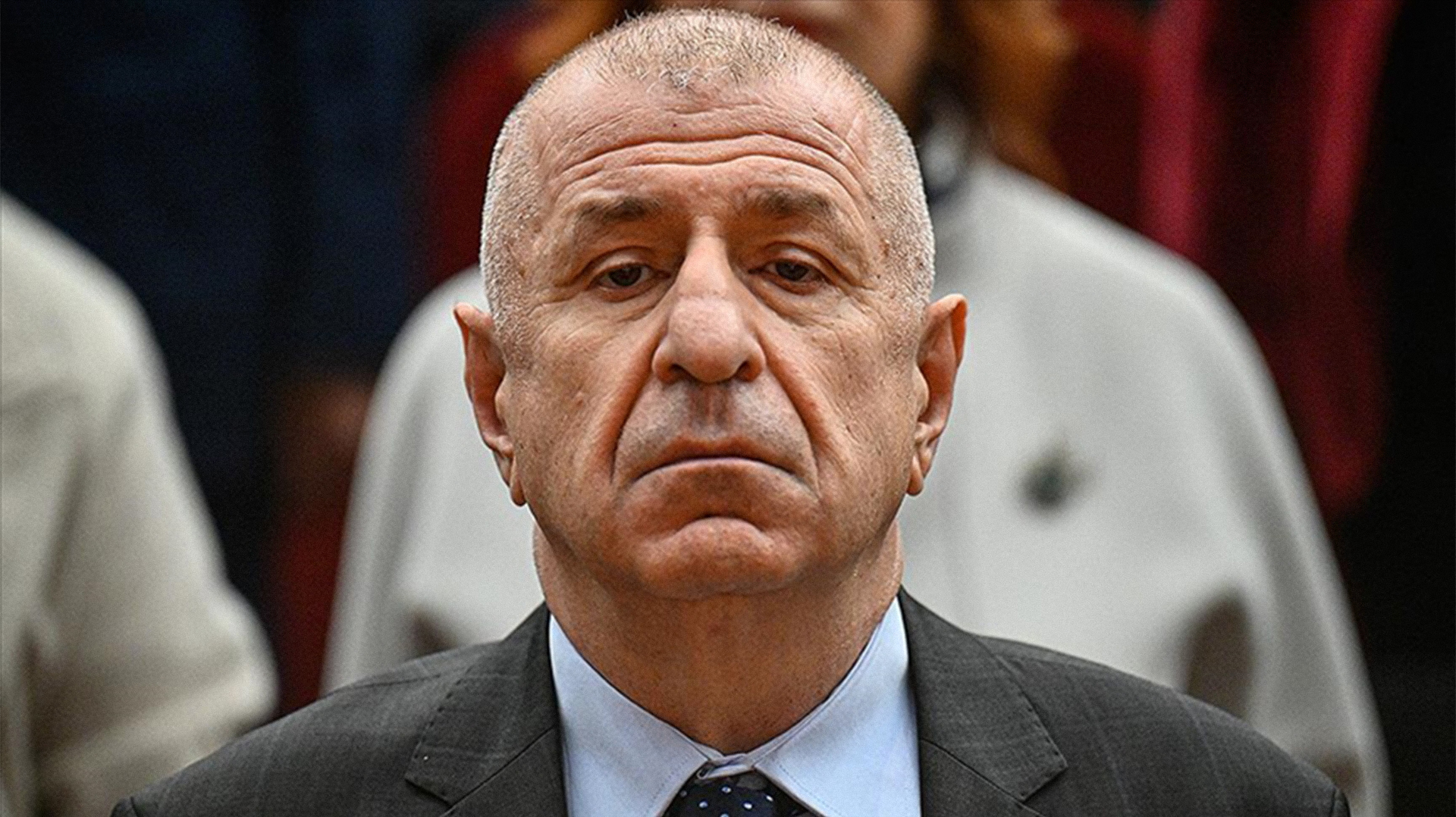
ERBIL (Kurdistan24) – A Turkish court on Wednesday sentenced Ümit Özdağ, leader of the Victory Party, on charges of insulting Sheikh Said, triggering tensions and clashes inside the courthouse following the verdict.
The Criminal Court in the Hınıs district of Erzurum province issued its final ruling in a case related to comments Özdağ made about Sheikh Said on social media. The court imposed a fine of 8,700 Turkish liras but suspended the execution of the sentence.
Following the announcement, tensions erupted in the courtroom and courthouse corridors between Özdağ's supporters and a group reportedly consisting of relatives of Sheikh Said. The group chanted “Fascist Ümit” in protest against the Victory Party leader.
Speaking outside the courthouse, Özdağ said he would appeal the ruling.
“This is not a punishment for me, but a punishment for the Republic of Türkiye,” he said. “We will continue to uphold our position regarding that uprising against the republic.”
The Victory Party leader also rejected the court's reasoning, arguing that it had assumed Sheikh Said's memory deserved respect.
“We do not accept this and view Sheikh Said within his historical context,” Özdağ said.
The ruling follows widespread controversy sparked by Özdağ’s earlier social media posts criticizing Sheikh Said’s personality and historical legacy, remarks that drew strong reactions in Northern Kurdistan and across Türkiye.
Sheikh Said, born in 1865 in the Palu region, was a prominent figure of the Naqshbandi order and an influential religious and social leader. After completing his religious studies in Hınıs, he gained significant influence among Kurdish communities and developed close ties with Kurdish nationalist circles advocating greater Kurdish self-determination.
Between the winters of 1923 and 1924, Kurdish nationalist leaders and activists held meetings in the Palu area to discuss the organization and preparations for a new uprising aimed at achieving Kurdish independence.
In 1925, after the suppression of the Sheikh Said uprising by the Turkish Republic, Sheikh Said and several of his companions were executed by hanging in Diyarbakır.