Iran Says Contradictory US Statements Deepen Historical Distrust Amid Ongoing Talks
Tehran has criticized recent remarks by US officials regarding the US-Iran memorandum of understanding
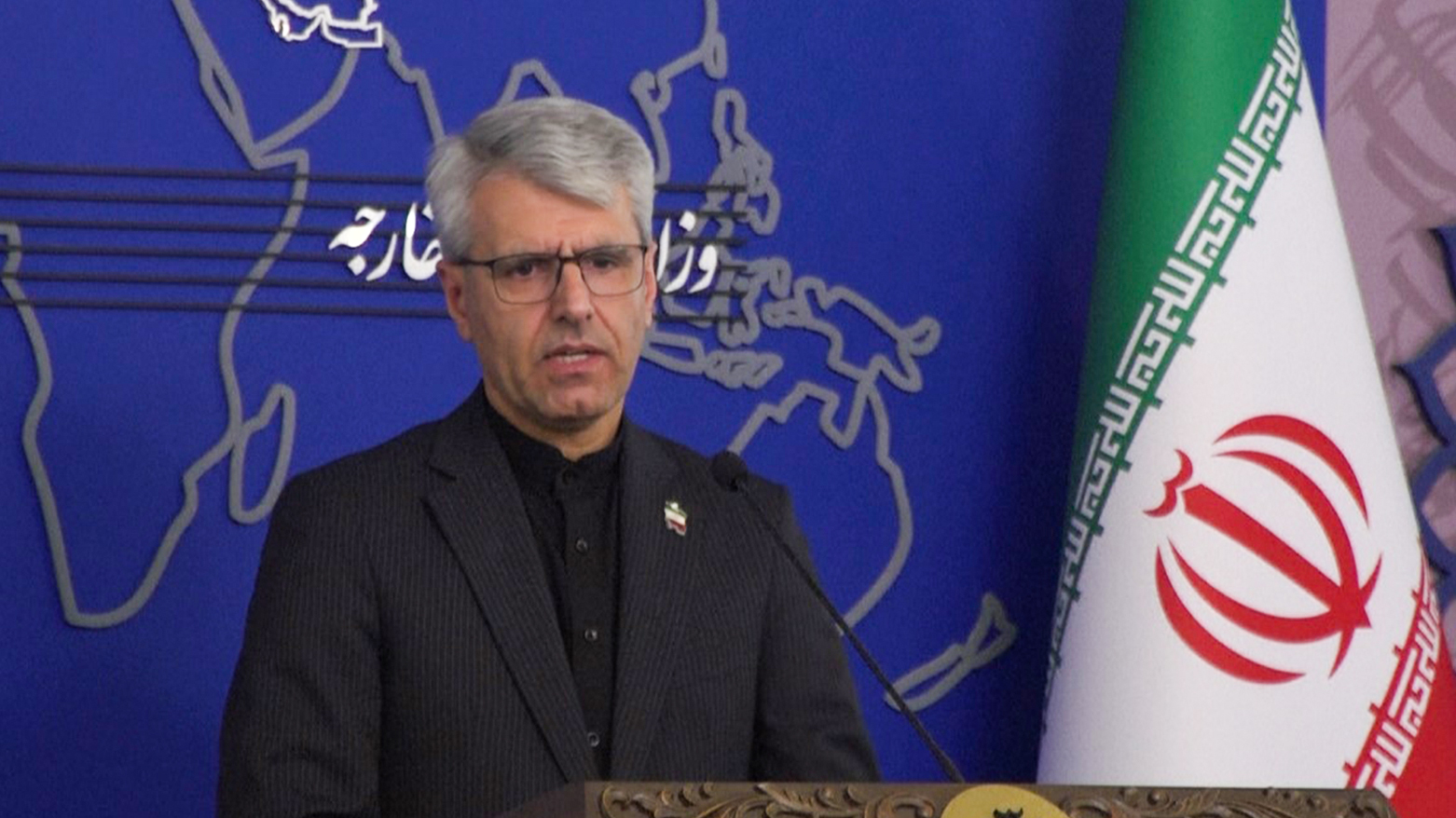
ERBIL (Kurdistan24) - Iran's Foreign Ministry spokesperson Esmaeil Baqaei on Wednesday accused US officials of sending contradictory messages regarding the recently signed memorandum of understanding between Tehran and Washington, saying such remarks only deepen the Iranian public's historical mistrust of the United States.
In a statement published on his official X account on Wednesday, Baqaei said US authorities had never been truthful in their dealings with the Iranian people.
He stressed that although Tehran entered the diplomatic process with reservations, it had participated in negotiations in good faith and signed a memorandum aimed at ending what he described as an imposed war.
Baqaei said Iranians understand that decades of hostility between the two countries cannot be resolved through a single agreement, emphasizing that Tehran would continue to approach every step of the process with caution.
"The contradictory statements made by US officials regarding the memorandum of understanding only remind us of Washington's previous broken promises," he said.
The Iranian diplomat also reiterated the principle of reciprocal commitments, calling on the United States to honor its obligations and avoid interpretations that, according to Tehran, contradict the clear text of the agreement.
The criticism came shortly after US President Donald Trump said Iran had made what he described as "very big concessions" during ongoing discussions over implementing the agreement signed between Washington and Tehran.
Speaking to reporters on Wednesday, Trump said negotiations were progressing positively and suggested that Iran had shown significant flexibility in talks related to the implementation of the memorandum.
The discussions are focused on establishing mechanisms for carrying out the agreement, including issues related to Iran's nuclear file, US sanctions, and Iranian assets frozen abroad.
Trump also stated that Iranian funds released under the agreement would be used to purchase American products, particularly agricultural goods and medicine. In a separate post on Truth Social, he said Washington was not providing Iran with new money but rather releasing portions of previously frozen Iranian assets under US supervision.
Iranian officials swiftly rejected Trump's characterization of how the released assets would be used.
Baqaei stated that the release of Iranian funds had no connection to purchasing American products, while Central Bank Governor Abdolnaser Hemmati also rejected the mechanism outlined by the US president.
Trump further claimed that Tehran had informed Washington it would not impose tolls or fees on ships passing through the Strait of Hormuz, warning that any such move could immediately jeopardize the ongoing negotiations.
Despite these disagreements, technical talks between the two sides remain on track. A new round of negotiations involving technical teams from both countries is expected to take place in Switzerland later this month.
The memorandum of understanding between Washington and Tehran was signed on June 18, 2026, by US President Donald Trump and Iranian President Masoud Pezeshkian.
The agreement marked a significant step toward easing tensions after months of conflict that had destabilized the region.
The framework includes measures such as the easing of certain US sanctions and the release of Iranian assets, in exchange for Tehran's commitment to specific conditions related to its nuclear program and regional issues.
However, differing public interpretations of the agreement by officials on both sides continue to highlight the challenges facing efforts to transform the preliminary understanding into a lasting settlement.