New Proposal Aims to Complete al-Zaidi Cabinet by Splitting Key Ministry
Iraq's Coordination Framework has proposed splitting the Culture, Tourism, and Antiquities Ministry into two ministries, seeking to secure additional cabinet posts as Prime Minister Ali al-Zaidi races to complete his government ahead of a key parliamentary vote.
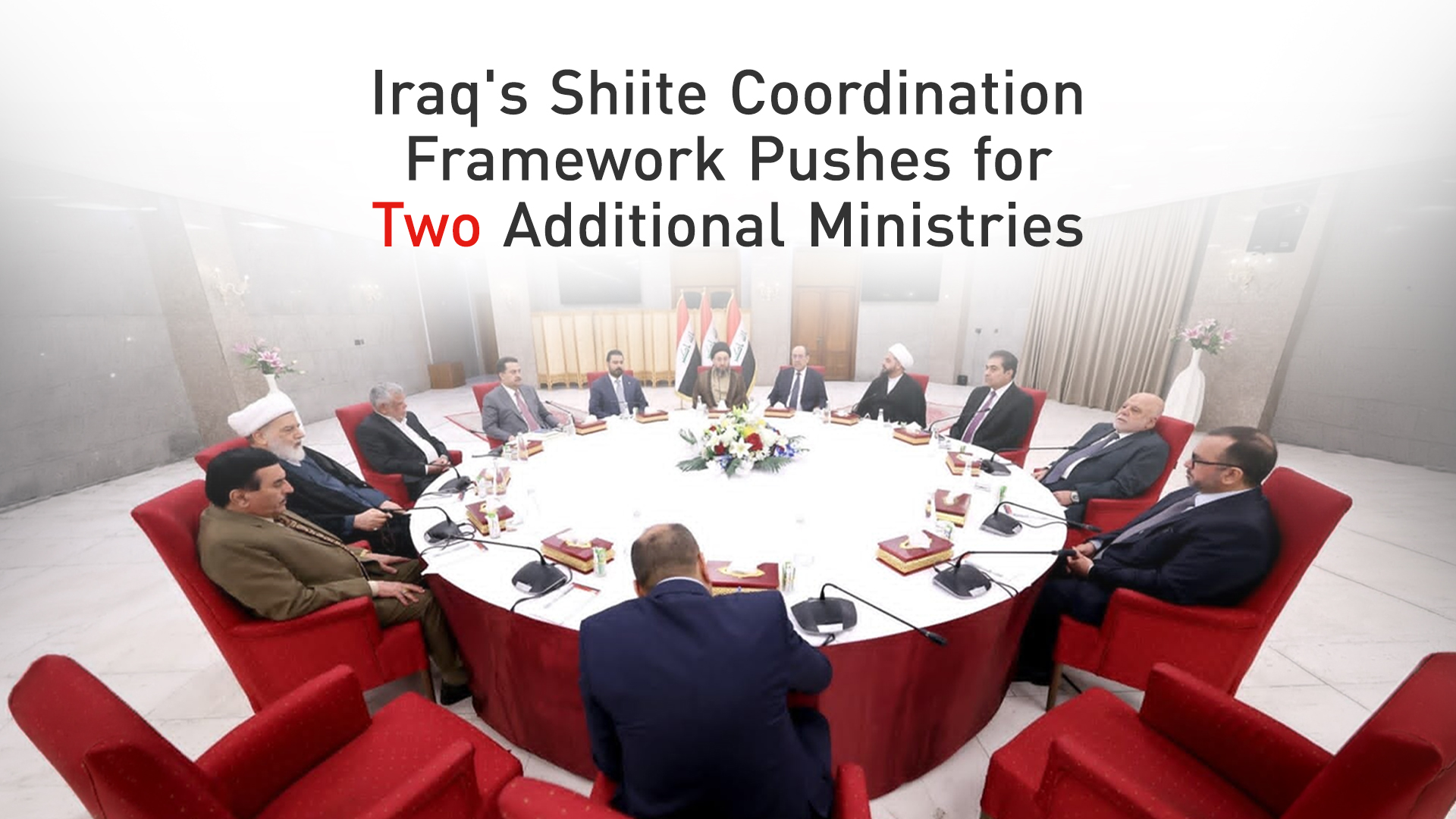
ERBIL (Kurdistan24) - Six weeks after Iraqi Prime Minister Ali al-Zaidi managed to swear in a partial government, the political maneuvering required to fill the remainder of his fractured cabinet has entered a delicate and highly calculated new phase. In a bid to break the persistent administrative deadlock and simultaneously expand its own executive footprint, the powerful Shiite Coordination Framework has drafted an institutional proposal that would fundamentally alter the structure of the federal government.
The initiative, which is expected to be formally presented to the prime minister in the coming days, centers on a strategic division of administrative portfolios.
According to senior political figures involved in the ongoing negotiations, the influential bloc is actively pushing to decouple the existing combined ministry that currently oversees culture, tourism, and antiquities.
This bureaucratic maneuver would effectively create two distinct federal entities: a standalone Ministry of Tourism alongside a separate Ministry of Culture and Antiquities.
Crucially, the Coordination Framework's proposal stipulates that both newly separated portfolios would be allocated directly to its own constituent factions, thereby adding another distinct ministerial seat to the bloc's political ledger.
Speaking to Kurdistan24 on Sunday, Mahmoud al-Hayani, a senior official within the Fatah Alliance, confirmed that intensive backroom discussions regarding the bureaucratic split are already well underway.
While al-Hayani cautiously noted that the proposal has not yet been finalized, he emphasized that the initiative reflects a concerted effort to finally complete the government's composition.
By engineering an additional cabinet seat, the bloc is attempting to satisfy competing internal demands that have thus far stalled the full formation of the executive branch.
The political arithmetic behind the proposal underscores the intense patronage negotiations that consistently define government formation in Baghdad.
If the prime minister accepts the bifurcation of the culture and tourism portfolios, the Coordination Framework will cement absolute dominance over Iraq's cultural, historical, and tourism sectors.
According to recent reports, Ahmed al-Asadi has already emerged as a leading candidate to assume one of these newly defined roles, a development that suggests internal consensus within the bloc is rapidly taking shape.
For Prime Minister al-Zaidi, the proposal represents both a potential legislative lifeline and a stark political compromise.
His administration has operated at a significantly diminished capacity since May 14, when the Iraqi Parliament granted a vote of confidence to fourteen ministers but decisively rejected five other nominees.
Today, a total of nine cabinet positions remain entirely vacant, a deficit that severely limits the government's ability to execute its broader administrative and economic agenda.
These lingering vacancies have cast a long shadow over Baghdad's political stability, leaving vital sectors without confirmed ministerial leadership.
Filling these nine posts is widely viewed as the most critical immediate test of al-Zaidi's political endurance and his capacity to manage the unwieldy coalition that originally propelled him to power.
Iraqi Premier had earlier on Saturday annouced plans to complete his cabinet formation within two weeks.
Read More: Iraqi Prime Minister Zaidi Promises to Complete Cabinet Within Two Weeks
The ultimate fate of the Coordination Framework's structural proposal now rests squarely on the legislative calendar.
Parliament is expected to place the remaining cabinet appointments on its formal voting agenda immediately following the conclusion of the current legislative recess. When lawmakers return to the chamber, they will be tasked with approving the final configuration of the federal cabinet.
Until that recess concludes, the political backchannels in the Iraqi capital will remain fiercely active. The proposition to divide the ministries perfectly highlights the complex lengths to which political coalitions will go to balance power and accommodate rival factions.
As the critical parliamentary vote approaches, the success of this maneuver will heavily dictate the institutional shape of al-Zaidi's government, determining whether he can finally close the chapter on protracted coalition bargaining.
|
Summary As Iraqi Prime Minister Ali al-Zaidi seeks to complete his fractured cabinet, the Coordination Framework has submitted a proposal to split the culture and tourism portfolios. This strategic maneuver aims to secure two additional ministries for the powerful bloc ahead of a vital parliament vote. |