Iran Says It Strikes U.S. Bases in Bahrain, Kuwait After American Attacks Kill Three
IRGC claims missile and drone strikes targeted four U.S. military installations, warns of broader retaliation as Washington's latest attacks disrupt rail links to Mashhad ahead of Ali Khamenei's burial
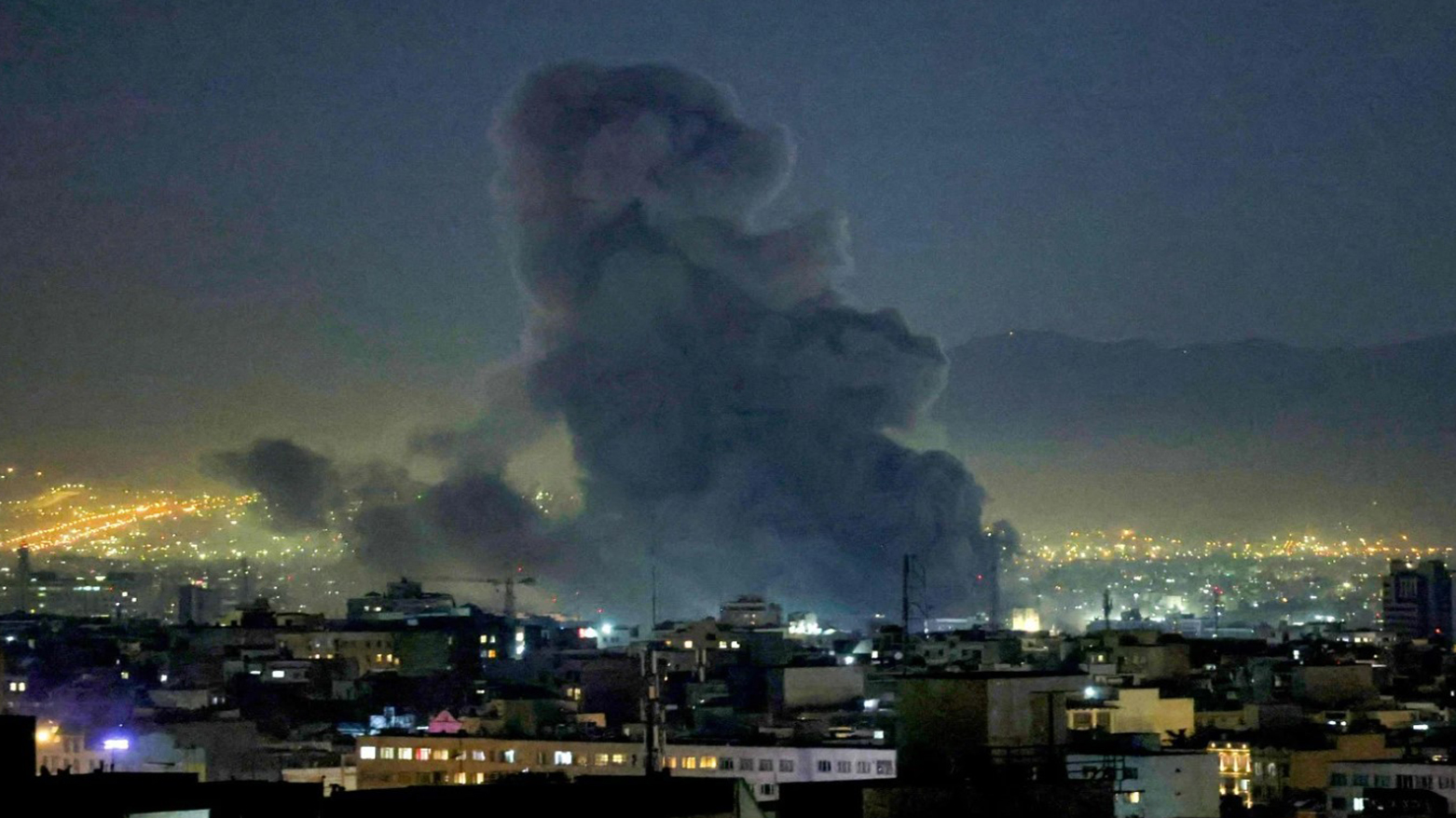
ERBIL (Kurdistan24) — Iran's Islamic Revolutionary Guard Corps (IRGC) said on Thursday it launched missile and drone strikes against U.S. military bases in Bahrain and Kuwait in retaliation for fresh American attacks on Iranian territory, marking a sharp escalation in the regional confrontation.
In a statement carried by Iran's state broadcaster IRIB, the IRGC said it targeted what it described as "key infrastructure and facilities" at the U.S. military installations of Arifjan and Ali Al Salem in Kuwait, as well as Juffair and Sheikh Isa in Bahrain.
The Guards warned that further U.S. military action against Iran would trigger additional retaliatory strikes against American bases across the Middle East.
The United States had carried out fresh strikes inside Iran earlier on Thursday, according to Iranian officials, amid an intensifying cycle of military exchanges that has raised fears of a wider regional conflict involving Gulf states hosting U.S. forces.
Casualties reported in Khuzestan
Iran's official news agency IRNA reported that the U.S. strikes killed three people and wounded several others in the southwestern province of Khuzestan.
Citing Valiollah Hayati, deputy governor of Khuzestan for security and law enforcement, IRNA said the casualties occurred in an American attack on the outskirts of the city of Ahvaz.
The report did not immediately provide further details on the identities of the victims or the specific targets hit.
Rail link to Mashhad suspended
Separately, Iranian state television announced that rail services between Tehran and the northeastern holy city of Mashhad had been suspended following the U.S. strikes.
The disruption came just hours before the burial of Iran's late Supreme Leader Ali Khamenei in Mashhad, where authorities have been holding days of funeral ceremonies attended by large crowds.
The Islamic Republic of Iran Railways accused what it called the "U.S.-Israeli enemy" of carrying out a "criminal attack" on the railway route, saying technical teams had been dispatched to repair the damaged infrastructure.
State television added that alternative road transportation was being arranged for passengers stranded by the suspension of train services.
Regional tensions deepen
The latest exchange underscores the rapidly deteriorating security situation across the Middle East, where U.S. military facilities in Gulf countries have increasingly become potential targets amid the confrontation with Iran.
The United States maintains thousands of troops across the region, including major installations in Bahrain, Kuwait, Qatar, Saudi Arabia, the United Arab Emirates, Iraq and Syria, where they support regional security operations and counterterrorism missions.
Iran has repeatedly warned that any direct U.S. military action would be met with retaliatory attacks against American assets and allies throughout the region, raising concerns that the conflict could expand beyond Iranian territory and threaten Gulf security, international shipping routes and global energy markets.