Water Scarcity Cuts Iraq's Irrigated Agricultural Land by More Than 70%
The Iraqi Ministry of Agriculture says climate change and dwindling water resources have dramatically reduced irrigated farmland
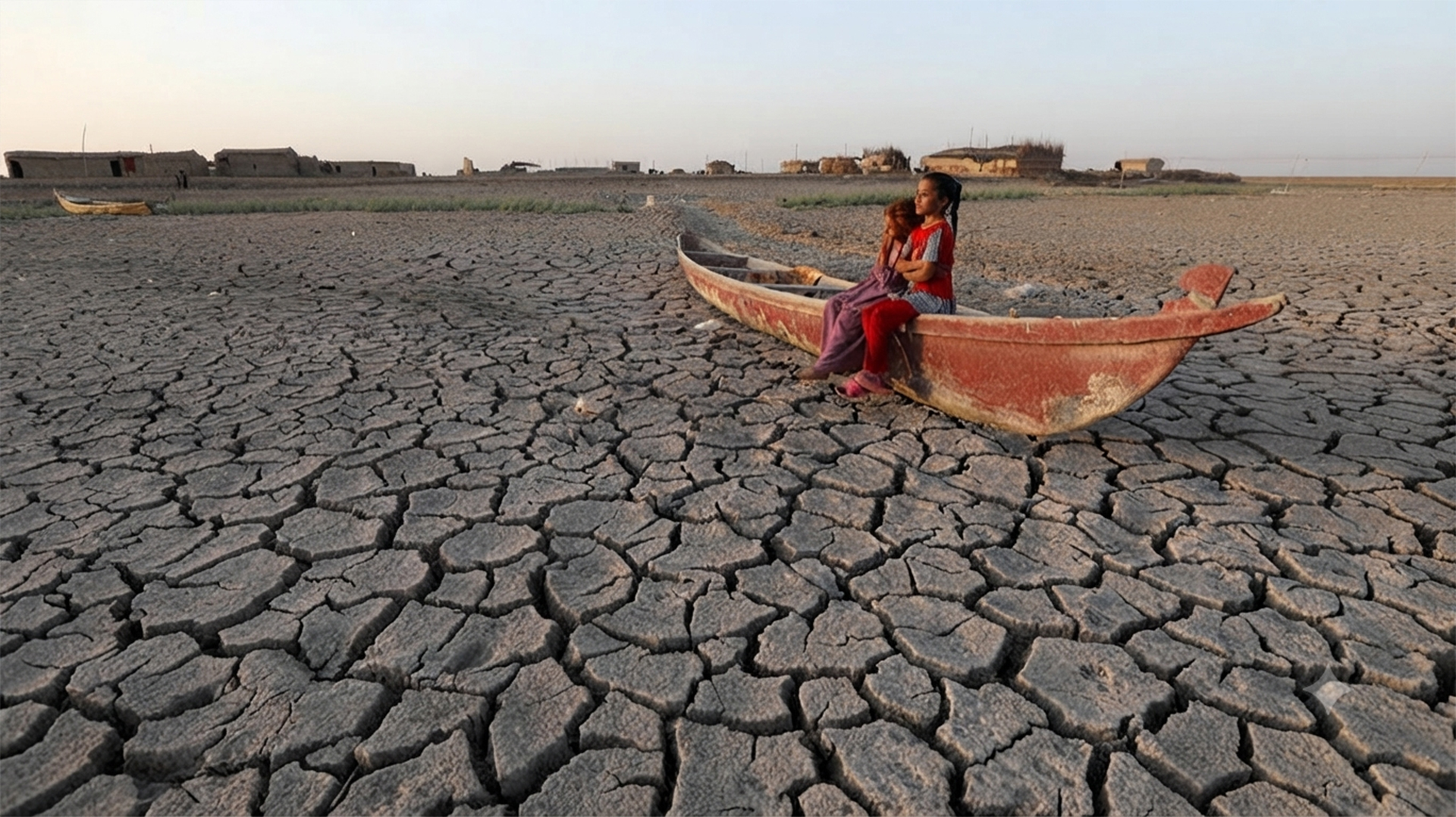
ERBIL (Kurdistan24) - Iraq's Ministry of Agriculture has issued a stark assessment of the country's worsening water crisis, announcing that the area of irrigated agricultural land has declined by more than 70% due to climate change and shrinking water resources.
Speaking to reporters on Sunday, Deputy Minister of Agriculture Mahdi al-Jubouri said Iraq's agricultural sector is facing significant challenges as rising temperatures, declining rainfall, and lower water levels in the Tigris and Euphrates rivers continue to disrupt farming plans across the country.
Al-Jubouri said land previously irrigated through traditional methods has steadily declined from 6 million dunams to 5 million before falling to just 2 million dunams, attributing the sharp reduction to the country's diminishing strategic water reserves.
He said the decline reflects the growing pressure on Iraq's agricultural sector as water availability continues to decrease.
To address the crisis, the ministry has increasingly shifted toward modern irrigation technologies, including drip and sprinkler irrigation systems that rely on groundwater.
Al-Jubouri said the ministry signed contracts to procure more than 13,000 advanced irrigation systems between 2023 and 2025.
To encourage farmers to adopt the new technology, the Iraqi government is providing financial support covering up to 30% of the systems' cost. The first year is treated as a grace period, while the remaining amount can be repaid in installments over 10 years.
Despite the prolonged drought, al-Jubouri said the use of modern agricultural technologies has enabled Iraq to achieve wheat self-sufficiency for a fourth consecutive year, eliminating the need for imports.
He added that Iraq has also begun exporting some agricultural products abroad.
According to official figures cited by the ministry, Iraq requires approximately 70 billion cubic meters of water annually but currently has access to only 53 billion cubic meters.
The substantial shortfall has contributed to expanding desertification and the loss of large areas of fertile agricultural land due to increasing soil salinity and drying conditions.
The Iraqi government plans to invest $250 billion in the agriculture and food industries over the coming years to strengthen food security and transform agriculture into a sustainable economic sector capable of withstanding the effects of climate change.