KRG Nears Launch of Taxi Meter System to Ensure Fair Fares, Minister Says
Transport Minister Ano Abdoka says the Kurdistan Region's upcoming taxi meter system will introduce transparent pricing, strengthen passenger confidence, and build on broader transport reforms that have standardized more than 71,000 taxis across the region.
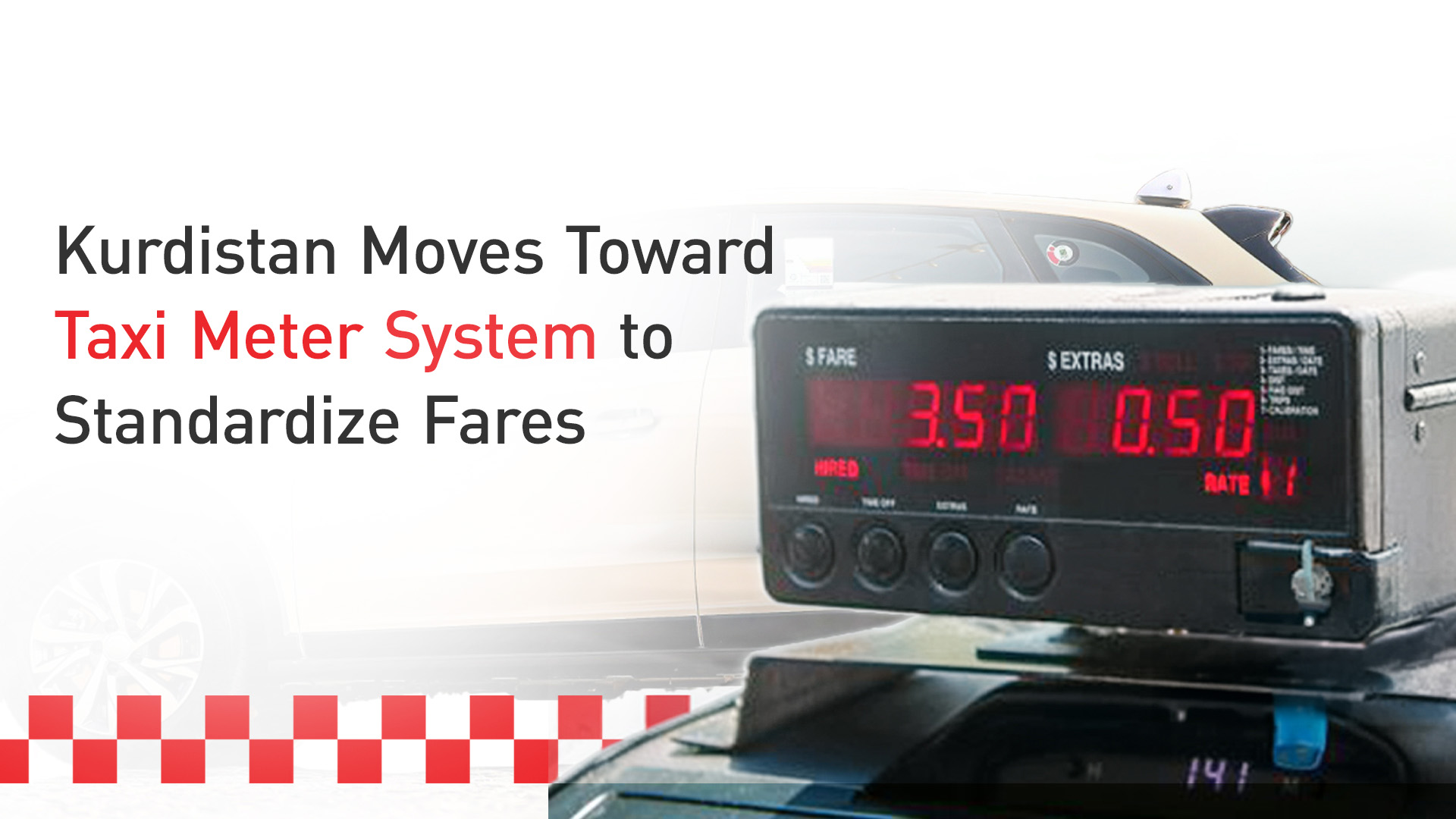
ERBIL (Kurdistan24) - The Kurdistan Regional Government (KRG) is in the final stages of introducing a region-wide taxi meter system aimed at ensuring transparent and standardized fares, as broader transport reforms continue to modernize one of the Kurdistan Region's largest public service sectors.
KRG Minister of Transport and Communications Ano Abdoka announced Sunday that preparations for the Taxi Meter (Bijmêr) project are nearly complete, describing the initiative as a major step toward bringing the Kurdistan Region's taxi industry in line with international standards while strengthening consumer confidence through fair and transparent pricing.
The announcement formed part of a comprehensive report released by the minister outlining the progress achieved under the KRG's Ninth Cabinet in modernizing transportation infrastructure, regulating commercial transport, and expanding digital services across the sector.
According to Abdoka, the taxi meter system represents the next phase of reforms that have already transformed the regulation of taxi services throughout the Kurdistan Region.
He said government efforts to standardize the sector through official identification cards, unified vehicle branding, and color-coded markings have brought more than 71,000 taxis under a regulated framework.
Those measures, he added, have significantly improved oversight and accountability, reducing reported violations and complaints to below five percent.
The forthcoming taxi meter system is expected to build on those gains by introducing a standardized fare calculation system designed to eliminate uncertainty over pricing and provide passengers with greater transparency when using taxi services.
Abdoka said the project will ensure fair pricing for citizens while further professionalizing the sector.
The initiative also reflects the Ninth Cabinet's broader emphasis on digital governance and modernization across public services.
Alongside reforms affecting passenger transport, the Ministry of Transport and Communications has introduced a series of technological upgrades targeting freight transportation and logistics.
According to the minister, electronic monitoring systems, including GPS tracking, electronic security locks and a digital manifest platform, have now been deployed across more than 28,000 medium and heavy freight vehicles operating within the Kurdistan Region.
The integrated system is intended to improve cargo security, streamline logistics management and enhance oversight of commercial transport movements across the Region.
Abdoka said these technological investments strengthen Kurdistan's position within regional trade networks while supporting long-term plans to establish an international dry port, one of the ministry's principal strategic infrastructure projects.
The report also outlined a broad range of operational achievements completed during the current cabinet's tenure.
According to ministry figures, authorities have regulated and supervised approximately 23,985 buses operating across the Kurdistan Region, alongside the more than 71,144 registered taxis now incorporated into the standardized regulatory system.
The ministry has also digitized freight manifest procedures at official Kurdistan Region border crossings, allowing authorities to electronically process commercial cargo movements while improving efficiency and recordkeeping.
Tourist travel documentation has likewise been modernized through electronic manifest systems covering passengers entering and leaving the Kurdistan Region via official border crossings.
Officials say these digital systems are intended to simplify administrative procedures while strengthening oversight of cross-border transportation.
Additional reforms include the continued modernization of passenger terminals across the Region, including plans for the construction of new transport facilities designed to accommodate future growth in public transportation demand.
The ministry also reported issuing 12 different categories of transportation licenses, covering a broad spectrum of commercial transport activities regulated by the KRG.
At border crossings, authorities continue to oversee the operation of approximately 9,000 freight trucks, reflecting the scale of commercial traffic moving through the Kurdistan Region's international gateways.
Taken together, the measures form part of a wider strategy aimed at integrating digital technologies into transportation management while improving safety, efficiency and regulatory compliance.
Among the initiatives, however, the planned introduction of taxi meters is likely to have the most immediate impact on daily life for residents.
Taxi fare disputes have long been a common concern among passengers in many cities, particularly during periods of heavy demand or fluctuating fuel costs.
By introducing standardized electronic fare calculations, the government hopes to create greater consistency, reduce disagreements between drivers and passengers, and strengthen public trust in the taxi sector.
The project also aligns with the Ninth Cabinet's broader modernization agenda, which places increasing emphasis on digital public services, transparent governance and improved service delivery across government institutions.
With technical preparations nearing completion, the taxi meter system is expected to become one of the most visible transportation reforms introduced under the current administration.
For commuters and taxi operators alike, officials say the initiative is designed not only to modernize the industry but also to establish a fairer, more predictable system that benefits both drivers and passengers while bringing the Kurdistan Region's transport sector closer to internationally recognized standards.
|
Summary The Kurdistan Region is preparing to launch its long-awaited taxi meter system, with Transport Minister Ano Abdoka saying the initiative will guarantee transparent fares, improve passenger confidence, and build on reforms that have reduced taxi-related violations to below 5%. |