UK Unveils New Framework to Designate Iran's Revolutionary Guards
Britain plans to designate Iran's Islamic Revolutionary Guard Corps under a new national security framework, strengthening measures against foreign state-backed threats as tensions with Tehran continue to deepen.
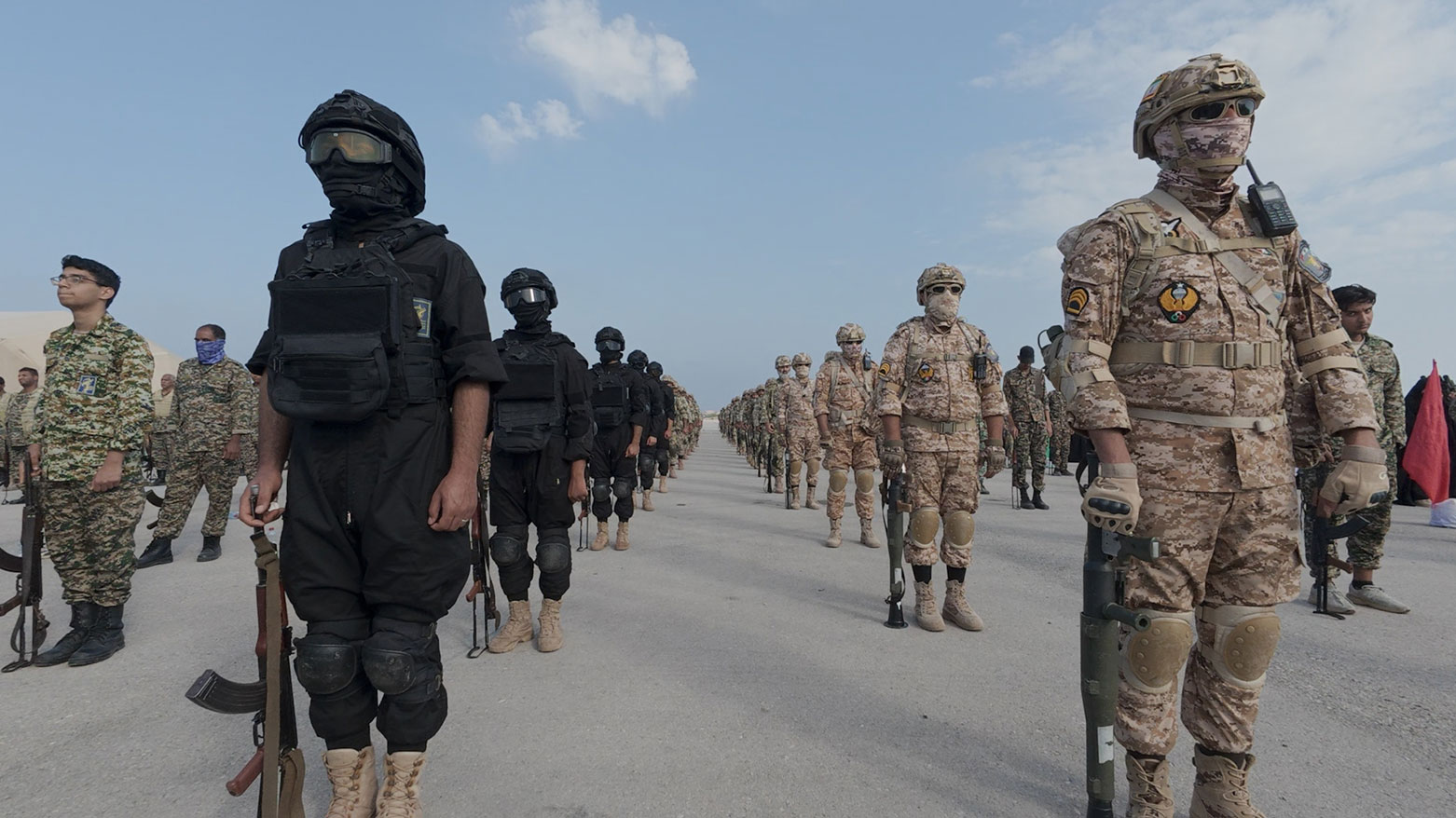
ERBIL (Kurdistan24) - The British government has announced plans to introduce legislation that would place Iran's Islamic Revolutionary Guard Corps (IRGC) under a new national security framework designed to counter foreign state-backed threats, marking one of London's most significant policy shifts toward Tehran in recent years.
According to Agence France-Presse (AFP), the proposed legislation will establish a "proscription-like" designation for the IRGC, creating new criminal penalties for those found supporting or assisting organizations identified under the framework.
UK's Prime Minister Keir Starmer said the bill, expected to be introduced in Parliament this week, would allow courts to impose prison sentences of up to 14 years on individuals convicted of aiding designated groups.
The proposed legal framework extends beyond the IRGC.
AFP reported that it would also cover Russia's GRU Volunteer Corps, linked to Moscow's military intelligence apparatus, as well as an Iran-connected organization accused of carrying out attacks against Jewish properties in London.
The initiative reflects a broader evolution in Britain's national security strategy, shifting greater attention toward threats that officials say originate from foreign state-backed actors operating inside the United Kingdom.
Rather than relying solely on existing counterterrorism legislation, the government is introducing a separate mechanism specifically intended to address organizations viewed as instruments of hostile foreign powers.
Supporting background from The Guardian indicates that the Home Office reached its decision following an assessment of national security risks, concluding there were sufficient grounds to designate the organizations under the new framework to safeguard Britain's security interests.
British authorities have previously cited alleged assassination plots targeting journalists, cyber activity, and other operations attributed to Iranian state-linked actors as factors contributing to the decision.
The move represents a notable departure from previous government policy. Earlier administrations had debated whether to formally designate the IRGC but stopped short of doing so, citing legal and diplomatic considerations.
The new proposal signals a tougher approach as Britain reassesses how it responds to foreign interference, espionage, and state-backed security threats.
The legislation also carries significant diplomatic implications.
Relations between London and Tehran have experienced repeated strains in recent years over security concerns, regional tensions, and disagreements surrounding Iran's activities abroad.
British officials have acknowledged that the latest measure could further complicate diplomatic engagement between the two countries.
Broader tensions have also been reinforced by continuing international scrutiny of Iran's treatment of detainees and civil society.
Recent attention has focused on the reported rearrest of Iranian environmentalists Houman Jokar and Sepideh Kashani, whose detention drew criticism from former British-Iranian detainee Nazanin Zaghari-Ratcliffe.
She described the arrests as deeply troubling while expressing concern for individuals who had previously endured lengthy imprisonment.
Although separate from Britain's new security legislation, the case has added to the wider climate of tension surrounding UK-Iran relations.
At the same time, the British government maintains that the proposed framework is aimed at protecting domestic security rather than targeting diplomatic engagement itself.
By creating a legal structure specifically focused on foreign power threat activity, ministers argue they are equipping law enforcement with stronger tools to deter organizations believed to operate on behalf of hostile states.
The proposal now heads to Parliament, where lawmakers will consider legislation that could significantly expand Britain's response to foreign-backed security threats.
If enacted, the designation of the IRGC would represent one of the most consequential steps taken by the United Kingdom against an Iranian state institution, underscoring London's increasingly assertive national security posture while introducing another point of tension into an already fragile relationship with Tehran.
|
Summary Britain plans to designate Iran's IRGC under a new national security framework, with support carrying prison terms of up to 14 years, AFP reports. The proposal reflects a tougher UK stance on foreign state-backed threats and comes amid broader tensions with Tehran over security and human rights concerns. |