UN Warns Renewed Middle East Fighting, Hormuz Closure Threaten Global Humanitarian Crisis
UN High Commissioner for Human Rights Volker Türk described the renewed fighting as "a huge setback for civilians in the region and beyond," after the United States launched fresh strikes on Iran and Tehran retaliated with attacks on targets across the region.
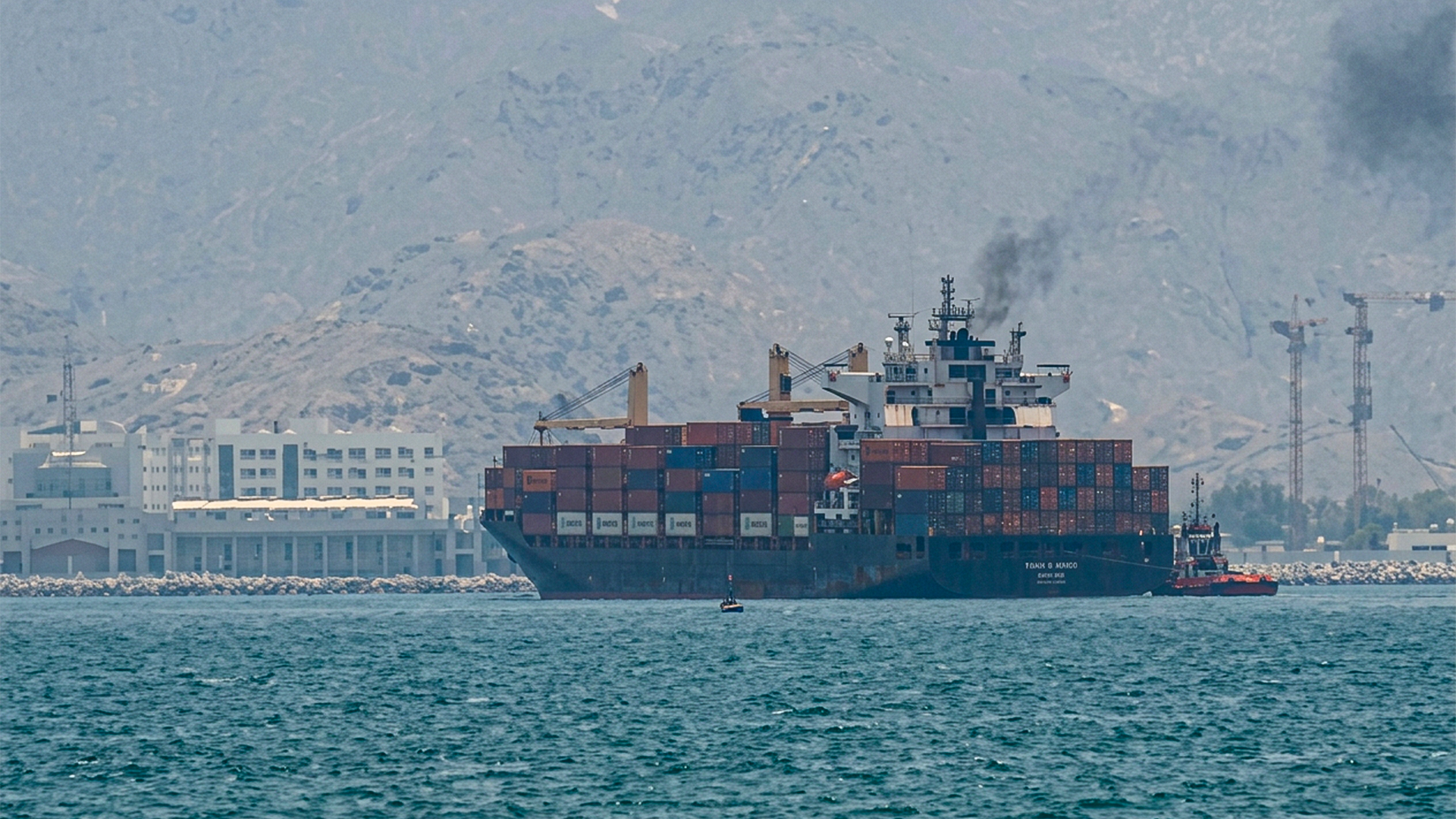
ERBIL (Kurdistan24) – The United Nations on Tuesday condemned the renewed escalation between the United States and Iran, warning that another closure of the Strait of Hormuz would have far-reaching humanitarian and human rights consequences extending well beyond the Middle East.
UN High Commissioner for Human Rights Volker Türk described the renewed fighting as "a huge setback for civilians in the region and beyond," after the United States launched fresh strikes on Iran and Tehran retaliated with attacks on targets across the region.
Türk cautioned that Iran's announced closure of the Strait of Hormuz—a strategic waterway through which around one-fifth of the world's oil flowed before the conflict erupted in February—would have devastating global repercussions.
"The Strait of Hormuz is a vital lifeline on which millions are reliant," Türk said in a statement.
He warned that disruptions to the transport of food, medicines, and other essential goods would carry "severe socioeconomic and humanitarian consequences," affecting populations far beyond the immediate conflict zone.
The UN rights chief urged both Washington and Tehran to immediately halt military operations and return to the ceasefire to prevent further civilian suffering.
The renewed hostilities erupted after U.S. President Donald Trump announced the reinstatement of a naval blockade on Iranian ports following the collapse of a fragile ceasefire reached earlier this year. In response, Iran declared it would again close the Strait of Hormuz and launched retaliatory strikes against regional targets, raising fears of wider instability and renewed disruptions to global energy supplies.
The latest escalation comes after months of conflict that began with U.S. and Israeli strikes on Iran in February, triggering repeated exchanges of attacks and threatening one of the world's most important maritime trade routes. Although a ceasefire had temporarily eased tensions, its collapse has reignited concerns over regional security, global oil markets, and the humanitarian impact of a prolonged conflict.