Kurdistan24 Exclusive: Iraqi Trade Minister Says Baghdad, Kurdistan Region Working to Unify Customs System
Trade Minister Mustafa told Kurdistan24 that Baghdad is coordinating with the Kurdistan Region to implement a unified electronic customs system
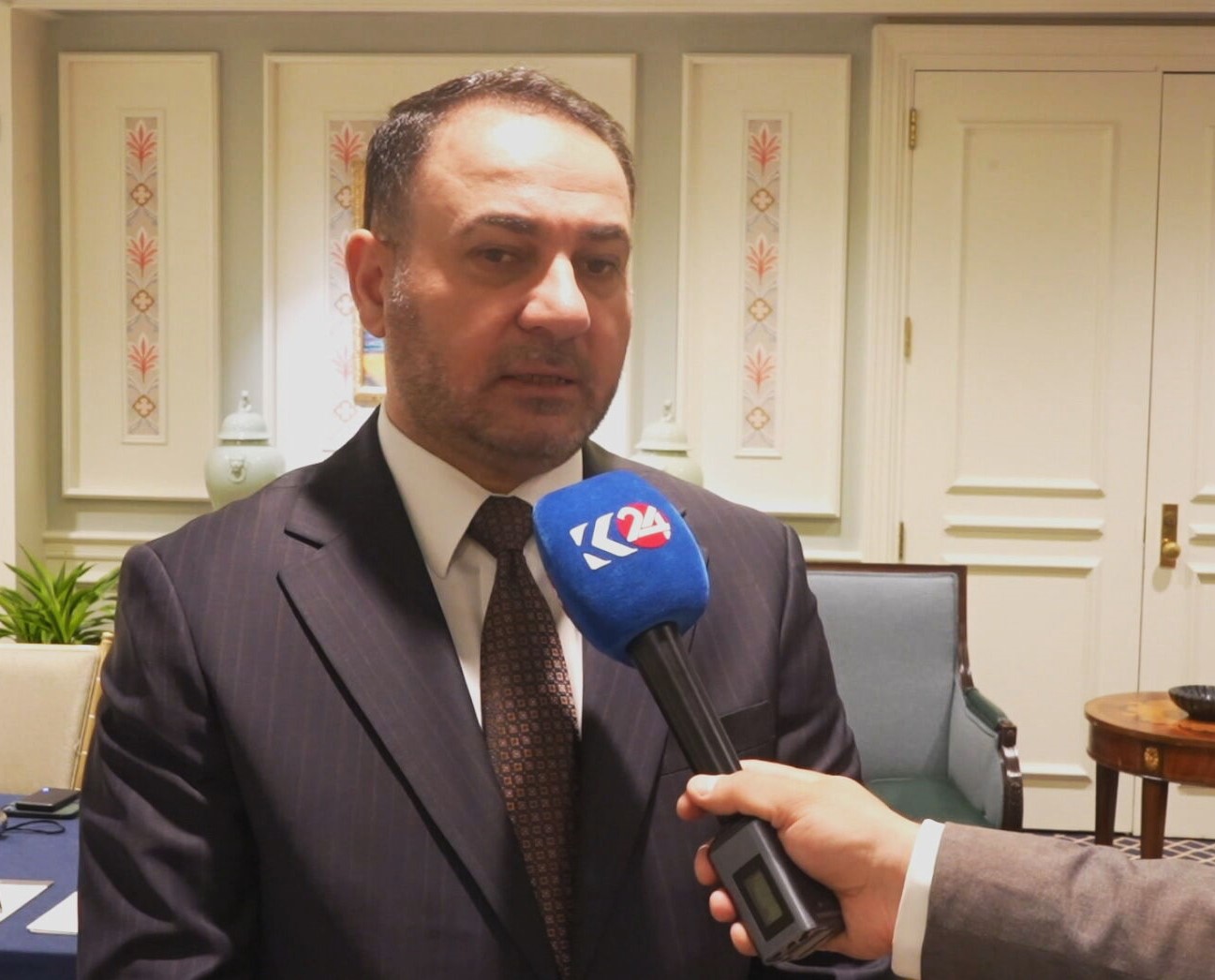
ERBIL (Kurdistan24) - Iraq is holding ongoing discussions with the Kurdistan Region to unify customs procedures through the implementation of the ASYCUDA electronic customs system, while simultaneously expanding alternative trade routes to safeguard essential imports and oil exports amid continued disruptions linked to the Strait of Hormuz, Iraqi Trade Minister Mustafa Nizar Juma al-Ani told Kurdistan24.
Speaking from Washington during Iraqi Prime Minister Ali al-Zaidi's official visit to the United States, al-Ani said efforts to harmonize customs procedures between Baghdad and the Kurdistan Region are progressing steadily.
Al-Ani described ASYCUDA—the computerized customs management system—as a key platform already used by traders across Baghdad and Iraq's other provinces.
"There are ongoing dialogues and discussions with the relevant authorities in the Kurdistan Region to unify customs procedures with Baghdad in this regard, and the process is moving forward smoothly," he told Kurdistan24.
The minister explained that the system is overseen by the General Commission of Customs under Iraq's Ministry of Finance and is designed to regulate trade flows and strengthen border management.
He added that higher revenues generated through the system would positively affect financial allocations for all Iraqi provinces, including those in the Kurdistan Region.
Addressing regional tensions and their impact on trade, al-Ani acknowledged that Iraq's imports and exports have been affected by the situation in the Strait of Hormuz, particularly shipments of essential goods.
"Our top priority is food and medicine because they are vital sectors," he said. "Supply chains have already been redirected through alternative crossings and trade corridors to ensure these essential commodities continue reaching local markets with a high degree of flexibility."
Al-Ani also said Iraq's exports—particularly crude oil shipments—have been disrupted by the closure of the Strait of Hormuz and the resulting interruptions to tanker traffic.
"Although export volumes through alternative channels have not yet reached previous capacity levels, crude oil and petroleum product exports continue," he said.
He added that maintaining those exports is essential to ensuring government revenues remain sufficient to cover the country's public expenditures and budgetary obligations.