Iraq Battles Water Hyacinth in the Tigris Through Sustainable Fertilizer Initiative
An emerging recycling initiative aims to convert invasive water hyacinth into organic fertilizer as Iraq confronts pollution, biodiversity loss, and mounting pressure on the Tigris River.
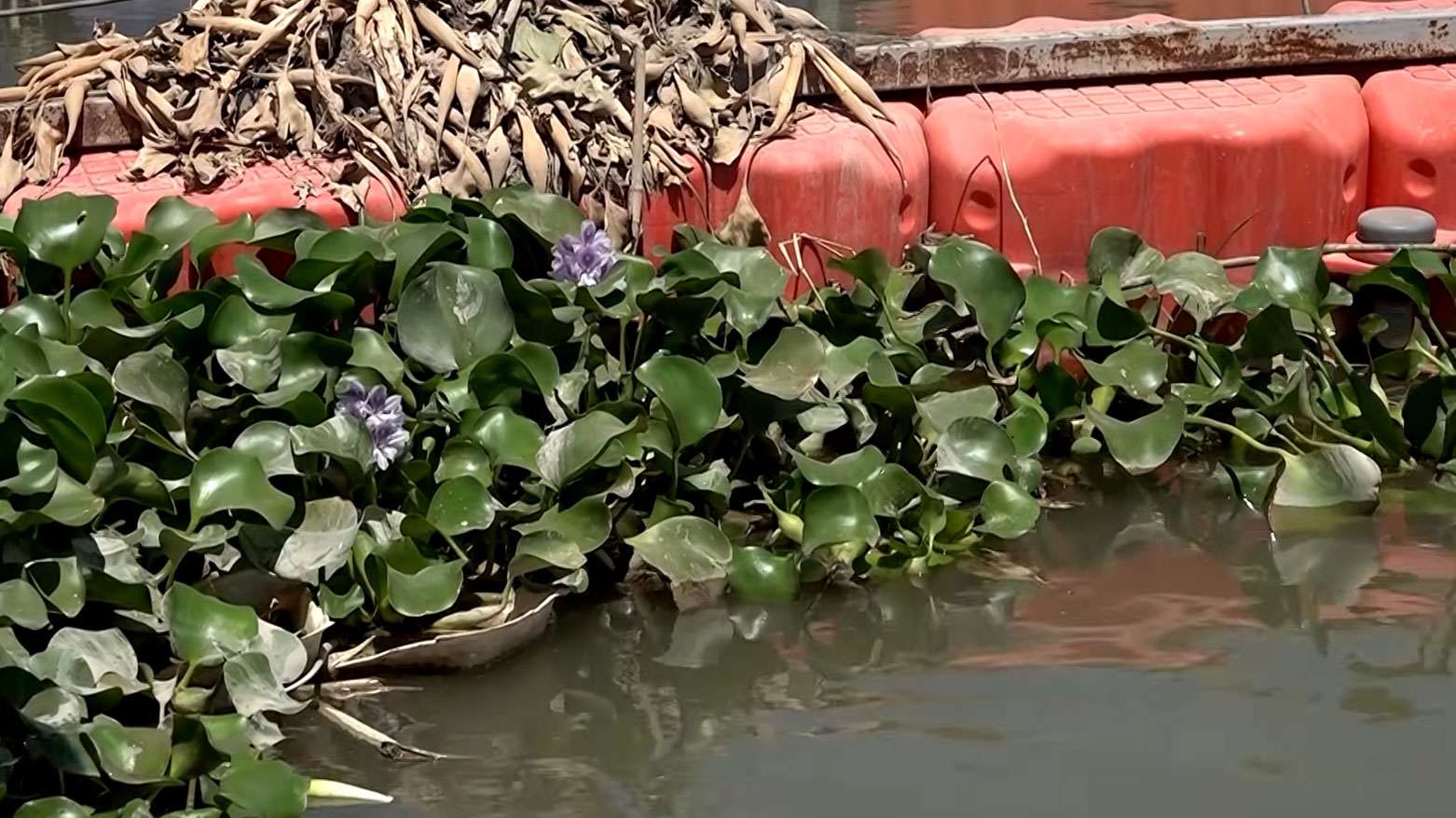
ERBIL (Kurdistan24) - What appears at first glance to be a blanket of lush green vegetation floating across sections of the Tigris River conceals one of Iraq's most persistent environmental challenges. Water hyacinth, an invasive aquatic plant known for its rapid growth, has expanded across waterways in recent years, placing increasing pressure on river ecosystems already strained by pollution and changing environmental conditions.
Its spread has become a recurring concern for environmental authorities, who warn that the plant is altering the ecological balance of one of Iraq's most important rivers while complicating efforts to preserve water quality and aquatic life.
The dense mats formed by water hyacinth cover the river's surface, preventing sunlight from penetrating the water below.

As submerged vegetation loses access to light, aquatic habitats begin to deteriorate, affecting fish populations and the broader biodiversity that depends on a healthy river ecosystem.
The plant's thick growth also creates favorable conditions for mosquito breeding, raising additional public health concerns.
Dr. Iktifaa al-Hasnawi, Administrative and Financial Undersecretary at Iraq's Ministry of Environment, said the consequences extend well beyond the plant itself.
Speaking to Kurdistan24, she warned that its rapid proliferation disrupts biological balance, damages fish stocks and contributes to environmental degradation by blocking sunlight needed to sustain other aquatic organisms.

Yet many specialists argue that removing the vegetation from the river addresses only the visible symptoms of a deeper environmental problem.
Ayat Muzhaffar, a member of the Baghdad Provincial Council, said lasting progress depends on confronting the conditions that allow the invasive species to flourish.
She told Kurdistan24 that repeated clearing campaigns are unlikely to deliver permanent results if untreated sewage and other pollutants continue flowing into the Tigris, creating nutrient-rich waters that encourage the plant's rapid regeneration.

That assessment reflects a broader consensus among environmental experts, who increasingly view water pollution as a central driver of the annual outbreaks.
Without improving wastewater management and reducing contamination entering the river, they argue, even large-scale removal efforts risk becoming a continuous cycle rather than a durable solution.
Alongside those challenges, however, environmental groups are exploring ways to turn the invasive species into a productive resource instead of treating it solely as waste.
One such effort, known as the "Green Gold" initiative, seeks to recycle harvested water hyacinth into organic fertilizer for agricultural use.
Rather than disposing of the plant after removal, organizers hope to process it into a locally produced soil amendment capable of supporting farmers while reducing the environmental burden created by the infestation.

Environmental activist Marwa Hafez described the project as an opportunity to transform an ecological liability into a practical asset.
She told Kurdistan24 that although water hyacinth poses a serious threat to the river, converting it into organic fertilizer could benefit Iraqi agriculture while supporting afforestation initiatives and reducing unnecessary waste.
The initiative reflects a broader shift toward environmental management strategies that combine restoration with resource recovery.
By linking river conservation to sustainable agricultural practices, supporters believe the project could deliver benefits that extend beyond waterway rehabilitation.

Even so, officials acknowledge that recycling alone cannot resolve the crisis. Water hyacinth's remarkable ability to regenerate means that long-term success will depend on addressing pollution alongside continued removal and reuse efforts.
As Iraq confronts mounting pressure on its freshwater resources, the struggle against water hyacinth illustrates the complexity of modern environmental stewardship.
Protecting the Tigris will require not only removing an invasive plant but also restoring the conditions that allow the river itself to recover.
If those parallel efforts succeed, a species long regarded as an environmental curse could ultimately become part of a more sustainable approach to managing both water and agriculture.
|
Summary Water hyacinth is spreading across Iraq's Tigris River, threatening biodiversity, fisheries and water quality. As officials call for stronger pollution control, environmental groups are promoting an innovative initiative to recycle the invasive plant into organic fertilizer that supports agriculture and sustainability. |
Kurdistan24 correspondent in Baghdad Seif Ali contibuted to this report.