President Barzani Backs Inaugural Hejar Mukriyani Congress in Germany
Held under President Masoud Barzani's patronage, the inaugural Hejar Mukriyani Congress in Germany will bring together Kurdish writers, scholars, and intellectuals to strengthen literature, preserve cultural heritage, and expand cooperation across the global diaspora.
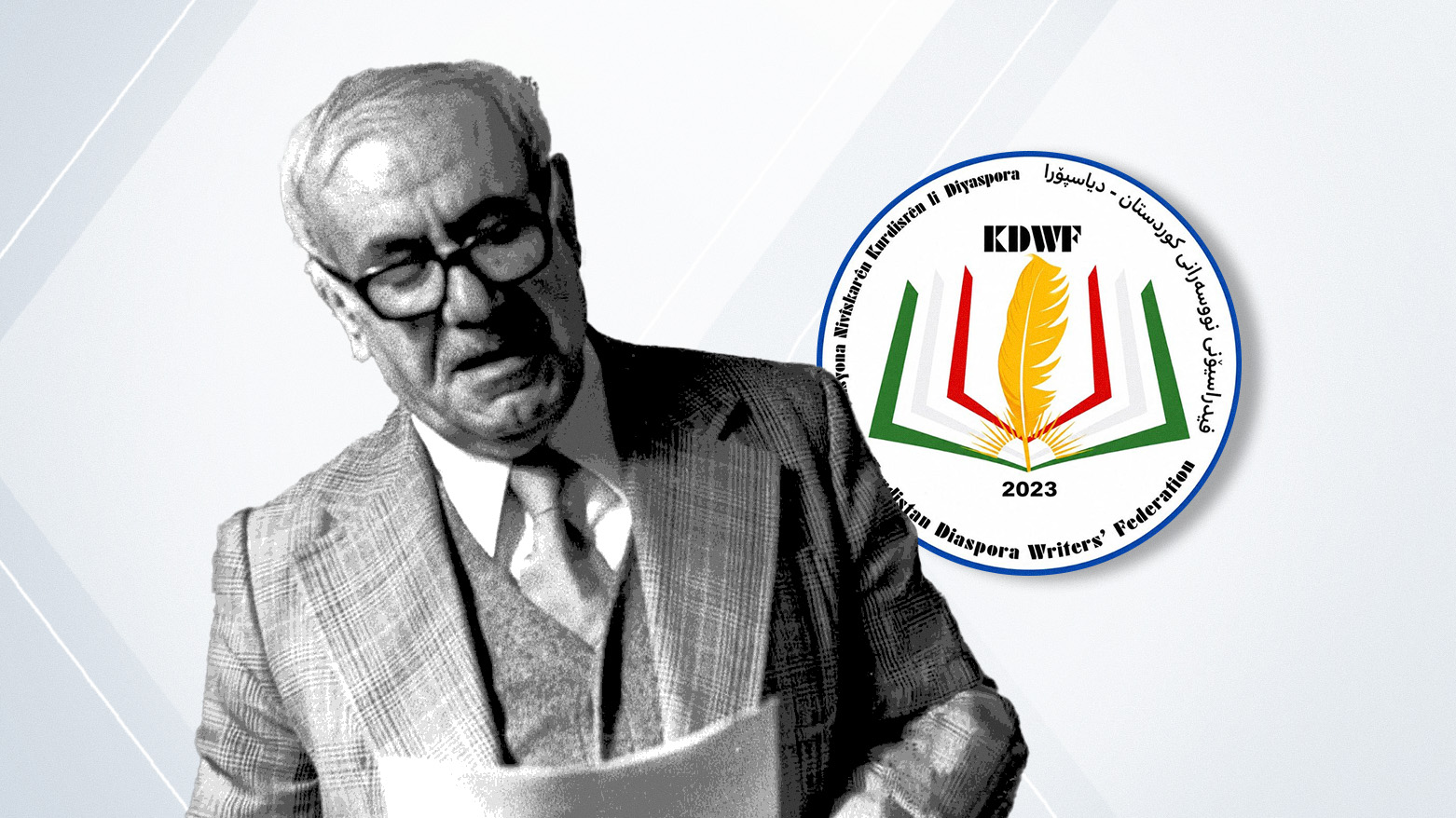
ERBIL (Kurdistan24) - Under the patronage and direct supervision of President Masoud Barzani, Kurdish writers, academics, poets, historians, linguists, and intellectuals from across the diaspora are preparing to convene in Düsseldorf, Germany, for the inaugural Hejar Mukriyani Congress, a cultural initiative designed to strengthen Kurdish literary cooperation and safeguard the language and cultural heritage of Kurdish communities living abroad.
Scheduled for July 25 under the theme "Towards an Authentic and Contemporary Kurdistani Literature in the Diaspora," the congress is intended to serve as more than a literary gathering.
Organizers describe it as the beginning of a sustained effort to connect Kurdish intellectual communities across national borders while building institutions capable of supporting Kurdish literature and scholarship for years to come.
The congress comes at a time when Kurdish writers are increasingly active in Europe and elsewhere, yet often work independently and across different linguistic, academic, and cultural environments.
By bringing together voices from multiple countries under one forum, organizers hope to encourage greater collaboration while preserving the distinct characteristics of Kurdish literary tradition amid rapidly changing global conditions.
Speaking to Kurdistan24, Sardar Jaff, President of the Kurdistan Diaspora Federation, said President Barzani's sponsorship carries particular historical significance, reflecting a longstanding commitment to supporting Kurdish writers and cultural institutions.
He said the initiative recalls the encouragement once extended by the late Mustafa Barzani toward the establishment of Kurdish literary organizations, underscoring the enduring importance attached to literature, language, and historical scholarship within Kurdish national life.
For organizers, the congress is envisioned as a long-term cultural project rather than a single conference.
Alongside discussions on literature and language, participants are expected to explore practical ways to preserve Kurdish cultural identity while ensuring that contemporary literary production continues to evolve alongside technological and social change.
That ambition is reflected in the congress theme, which seeks to balance fidelity to Kurdish literary traditions with engagement in modern intellectual and creative developments.
Organizers argue that maintaining the authenticity of Kurdish language and literature need not come at the expense of innovation. Instead, they see the two objectives as complementary, particularly for younger generations growing up outside the Kurdistan Region.
Another central objective is to reduce the fragmentation that has long characterized literary activity across the Kurdish diaspora.
Writers and researchers working in different countries frequently operate within separate academic, publishing, and cultural networks.
The Düsseldorf gathering seeks to establish stronger professional ties among these communities while creating opportunities for closer cooperation with writers and institutions inside the Kurdistan Region.
Jaff said the initiative also aims to increase the international visibility of Kurdish literature by encouraging greater interaction between Kurdish authors and the wider global literary community.
Organizers hope such exchanges will help introduce Kurdish intellectual traditions to broader audiences while strengthening opportunities for translation, academic research, and cultural dialogue.
The decision to name the congress after Hejar Mukriyani reinforces that broader vision. Widely regarded as one of Kurdistan's most influential literary and intellectual figures, Hejar's legacy extends well beyond poetry.
His contributions to language, philosophy, history, and cultural thought continue to occupy an important place in Kurdish intellectual life, making his name a symbol of literary achievement shared across different parts of Kurdistan.
According to Jaff, selecting Hejar Mukriyani as the congress's namesake also reflects a belief that political and geographic divisions should not diminish shared cultural identity.
Organizers intend to introduce his life and work to younger generations of Kurdish communities abroad while emphasizing the enduring relevance of his ideas for contemporary Kurdish literature and scholarship.
Although logistical constraints have limited participation from some writers residing in the Kurdistan Region this year, organizers say future editions will place greater emphasis on strengthening exchanges between intellectuals inside Kurdistan and those living overseas.
They view sustained dialogue between the two communities as essential to the continued development of Kurdish literature and cultural research.
Technology is expected to play a significant role in that effort. Alongside the congress, organizers have launched a dedicated digital platform known as Diaspora, designed to preserve and promote Kurdish literary, historical, and cultural works.
According to Jaff, the website already hosts thousands of articles contributed by hundreds of writers, creating a growing archive intended to make Kurdish scholarship more accessible to readers around the world.
Digital preservation is expected to become one of the core responsibilities of the newly established Kurdistan Diaspora Writers Federation.
Organizers believe online platforms can help connect classical Kurdish literature with younger audiences while ensuring valuable cultural resources remain available across generations and geographic boundaries.
The congress's organizers also stress that its impact should not be measured solely by the discussions held in Düsseldorf.
Recommendations emerging from the gathering are expected to be developed into practical, long-term cultural initiatives designed to support literary production, encourage institutional cooperation, and strengthen the preservation of Kurdish language and heritage.
Held under President Barzani's patronage and in the presence of Shifa Barzani, General Supervisor of the Kurdistani Diaspora at Barzani Headquarters, the first Hejar Mukriyani Congress represents an effort to establish a lasting framework for cooperation among Kurdish writers worldwide.
By bringing together literary voices from across the diaspora while investing in new institutional and digital initiatives, organizers hope the congress will help reinforce Kurdish cultural identity and broaden the international presence of Kurdish literature for future generations.
|
Summary The inaugural Hejar Mukriyani Congress will gather Kurdish writers, scholars, and intellectuals in Germany under President Masoud Barzani's patronage to strengthen literary cooperation, preserve Kurdish language and culture, and promote long-term collaboration across the global diaspora. |