Kurdistan24 Exclusive: Republican, Democratic Senators Share Contrasting Views on Iran
In separate interviews with Kurdistan24, two US senators offered sharply different assessments of Washington's approach toward Iran
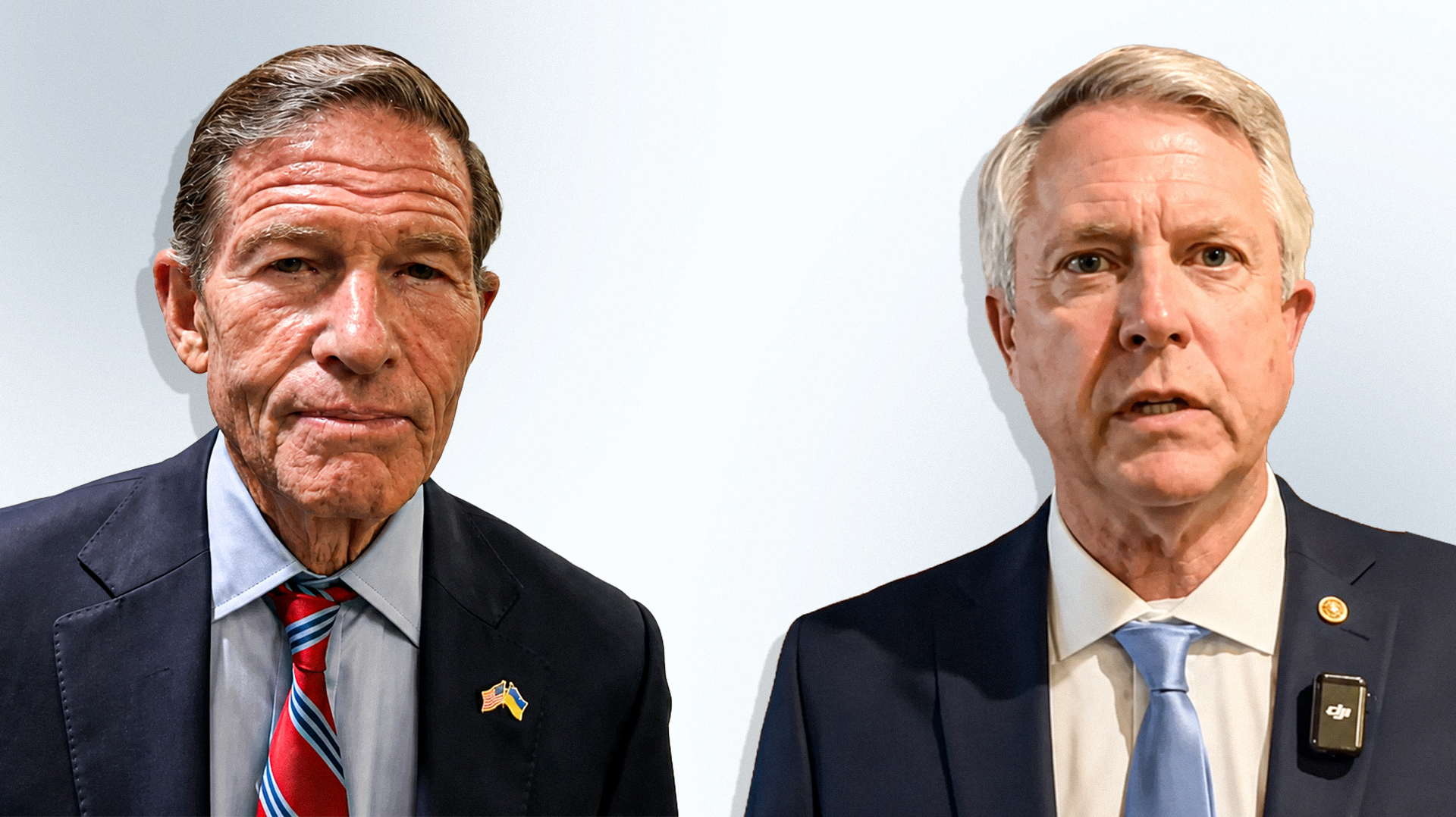
ERBIL (Kurdistan24) - Two US senators offered contrasting assessments of Washington's policy toward Iran in separate interviews with Kurdistan24 Washington Bureau Chief Rahim Rashidi, as negotiations between the United States and Iran continue over restoring normal commercial navigation through the Strait of Hormuz.
Republican senator stresses nuclear red line and open shipping lane
Roger Marshall, the Republican senator from Kansas, reiterated what he described as Washington's core objectives regarding Iran, emphasizing that Tehran must never acquire nuclear weapons while underscoring the importance of keeping the Strait of Hormuz open to commercial shipping.
"I've been very, very clear is that Iran cannot have nuclear weapons, we need to keep the Strait open," Marshall told Kurdistan24.
He also stressed that the United States does not intend to deploy ground forces.
"There'll be no American troops on the- on the ground, and it's just about that simple," he said.
Democratic senator criticizes Trump administration's approach
In a separate interview with Kurdistan24, Richard Blumenthal, the Democratic senator from Connecticut, sharply criticized the Trump administration's handling of the conflict.
Blumenthal described the current approach as "a war that is reckless and impulsive, without a clear exit strategy, and so far without accomplishing any of its goals."
He added that the administration had become trapped in a difficult situation.
"And so the Trump administration is in a quagmire, without the kind of support it needs from the American people," he told Kurdistan24.
The senators' remarks come as the Trump administration continues diplomatic efforts aimed at reaching an agreement with Iran over the Strait of Hormuz.
Earlier, US Treasury Secretary Scott Bessent said Washington and Tehran could reach an agreement as early as Tuesday or Wednesday to reopen the strategic waterway and guarantee freedom of navigation for commercial vessels.
Speaking to CNBC's Squawk Box, Bessent said the two countries are actively negotiating to restore normal commercial transit through the Strait of Hormuz.
"We are in talks with the Iranians," Bessent said. "There is a chance we may have a deal today or tomorrow to open the Strait and move towards a more normalized position in this conflict."
Asked whether a future agreement would allow Iran to collect transit fees, Bessent said the proposed framework would instead focus on ensuring unrestricted commercial navigation.
"It would be freedom of movement," he said, adding that commercial shipping has continued despite recent instability.
Bessent also noted that maritime traffic has not completely stopped in recent days.
"Even though things are still a little dicey there over the past few days, we saw quite a few ships coming out even now," he said.
If concluded, the agreement would mark a significant diplomatic step toward restoring stability and safeguarding freedom of navigation through one of the world's most strategically important maritime corridors.