India Condemns Attack After Indian-Flagged Ship Sinks in Red Sea
According to a local official in the Yemeni city of Mokha, coast guards rescued the crew of the MSV Faize Noore Oliya after the vessel was attacked south of the Yemeni port city of Hodeida. The crew consisted of 13 Indian nationals and one Yemeni.
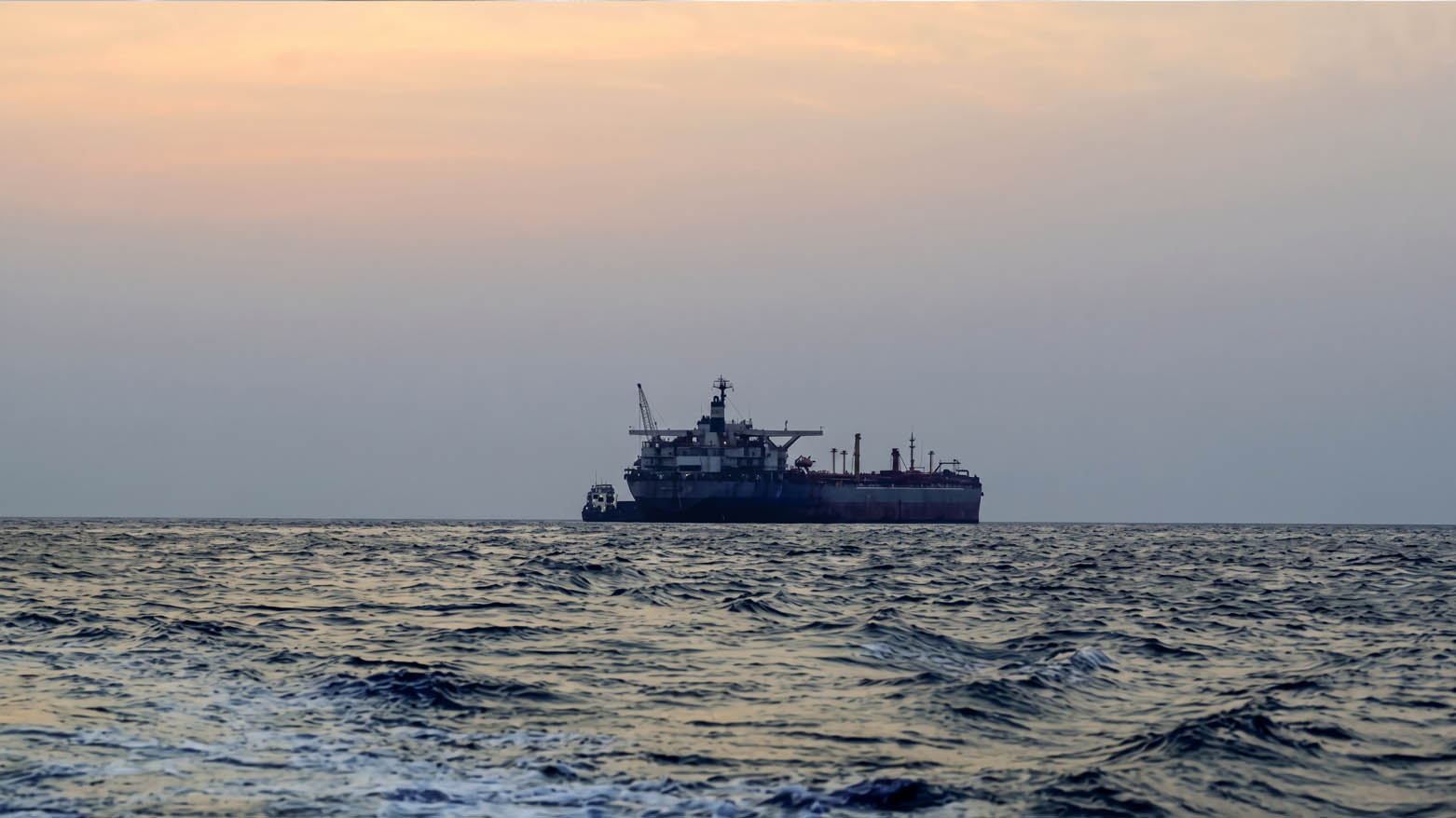
ERBIL (Kurdistan24) – An Indian-flagged commercial vessel sank in the Red Sea on Tuesday after coming under attack, with all 14 crew members rescued and India condemning what it described as an "unprovoked" act of aggression.
According to a local official in the Yemeni city of Mokha, coast guards rescued the crew of the MSV Faize Noore Oliya after the vessel was attacked south of the Yemeni port city of Hodeida. The crew consisted of 13 Indian nationals and one Yemeni.
Yemen's internationally recognized government blamed the Iran-backed Houthi rebels for the attack, according to the state-run Saba news agency.
Indian Shipping Minister Sarbananda Sonowal said on X that the vessel was "hit by a projectile near Yemeni waters."
"India strongly condemns this unprovoked attack," Sonowal said.
Indian Foreign Ministry spokesperson Randhir Jaiswal also denounced the incident, stating that "the targeting of commercial shipping in the region must end."
The attack comes after the Houthis last month announced a maritime blockade in the Red Sea targeting Saudi Arabia, the world's largest crude oil exporter. Since then, the group has claimed responsibility for several attacks on oil tankers and energy infrastructure.
India is one of the world's largest suppliers of merchant seafarers, with more than 320,000 active sailors in 2025, according to the country's shipping ministry.
The latest attack underscores growing concerns over maritime security in the region. Iran's blockade of the Strait of Hormuz following the outbreak of the Middle East conflict has increased the strategic importance of the Red Sea shipping routes. Saudi Arabia has continued exporting crude through its Red Sea port of Yanbu, allowing shipments to reach global markets without transiting the Strait of Hormuz.