Tanker Hijacked off Yemen as Israel Faces Backlash Over Gaza Aid Flotilla Interception
Spain’s FM José Manuel Albares demanded the immediate release of Abu Keshek, describing his detention as illegal and calling for his swift return to Spain
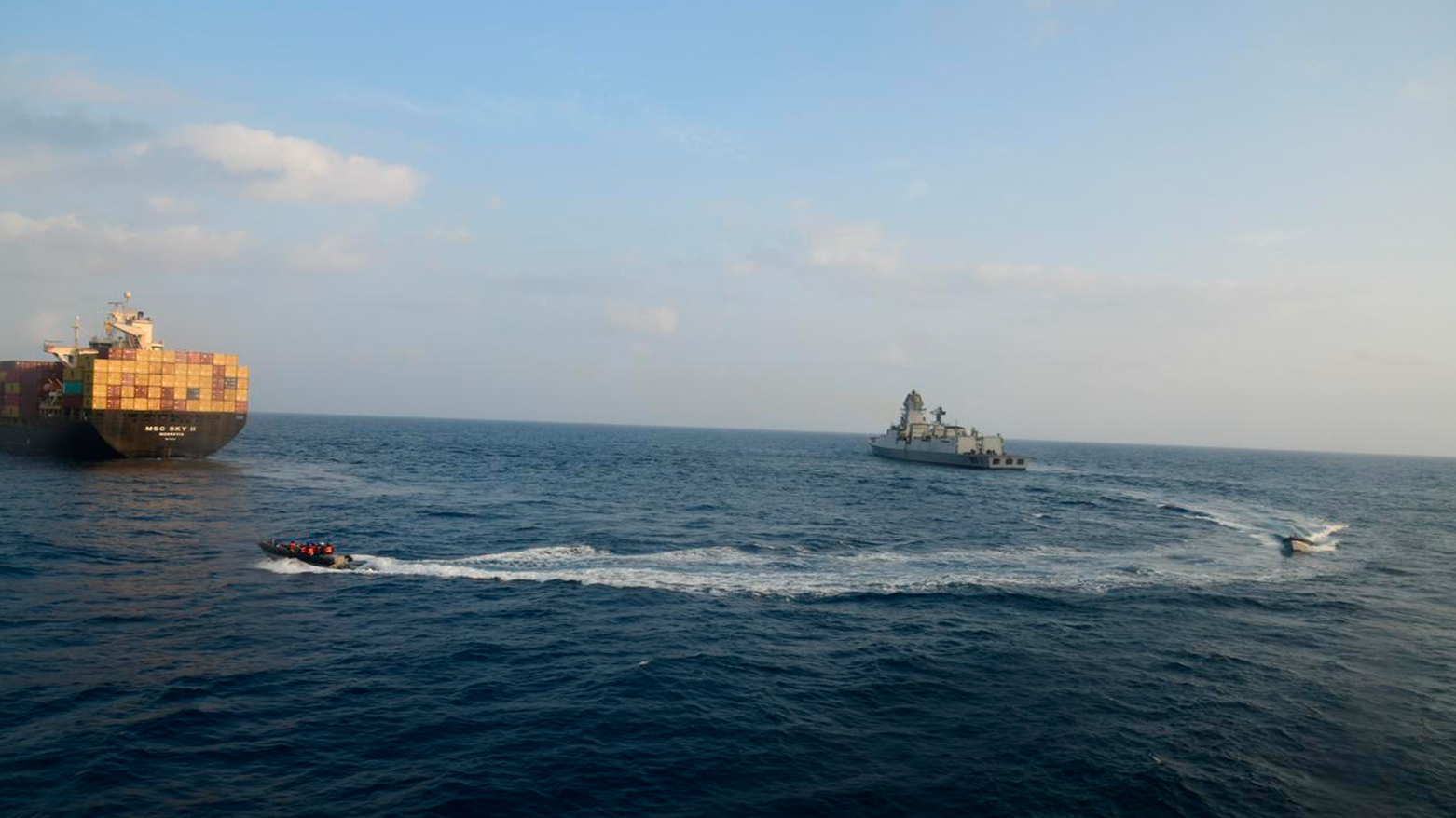
ERBIL (Kurdistan24) — An oil tanker was hijacked Saturday in the Gulf of Aden off Yemen’s coast, while Israeli authorities faced mounting criticism over their interception of a Gaza-bound aid flotilla and the detention of activists, according to official statements and organizers.
Yemen’s coast guard said the tanker EUREKA was seized near Shabwa province by unidentified individuals who boarded the vessel, took control, and redirected it toward the Somali coast.
The incident underscores persistent security risks in one of the world’s most critical maritime corridors, where piracy and armed attacks have historically threatened shipping routes.
The coast guard, affiliated with Yemen’s internationally recognized government, said it had identified the tanker’s location and was monitoring the situation while working to secure the vessel and ensure the safety of its crew.
No details were provided about the number or nationality of those on board. Maritime tracking data indicated the Togolese-flagged tanker had last been reported in the UAE port of Fujairah in late March.
The incident highlights renewed security concerns in a region once plagued by piracy. Attacks off the coast of Somalia peaked in 2011 but declined sharply due to coordinated international naval patrols and improved defensive measures by commercial shipping.
However, recent assessments by the European Union’s naval mission, Operation Atalanta, indicate a resurgence, with multiple incidents recorded in late April. While maritime routes have also faced disruption amid broader regional tensions linked to the US-Israeli conflict with Iran, there is no immediate evidence connecting the latest hijacking to that crisis.
Last month, another tanker was seized by a newly emerged pirate group operating out of Garacad in Somalia’s Puntland region, signaling a potentially troubling trend.
Separately, Israeli authorities confirmed that two activists from a flotilla attempting to reach Gaza were brought to Israel for questioning. The individuals — Saif Abu Keshek of Spain and Thiago Avila of Brazil — were detained after Israeli forces intercepted the convoy of more than 50 vessels in international waters earlier this week.
According to Israel’s foreign ministry, both activists are affiliated with the Popular Conference for Palestinians Abroad (PCPA), an organization sanctioned by the United States for allegedly acting on behalf of Hamas. Israeli officials described Avila as “suspected of illegal activity,” adding that both detainees would receive consular visits.
The flotilla, which departed from ports in France, Spain, and Italy, aimed to challenge Israel’s long-standing blockade on Gaza and deliver humanitarian supplies. Israel, backed by the United States, dismissed the effort as a “stunt” and said approximately 175 activists were removed from the vessels. Organizers, however, claimed that 211 individuals were effectively “kidnapped.”
The Palestinian group Hamas condemned the interception, calling for international legal action against Israel and accusing it of assaulting civilians engaged in humanitarian efforts.
The group praised the activists’ determination to break the blockade despite what it described as threats and intimidation.
Spain’s Foreign Minister José Manuel Albares demanded the immediate release of Abu Keshek, describing his detention as illegal and calling for his swift return to Spain.
The latest incident follows previous flotilla attempts, including one in 2025 that drew global attention before being intercepted by Israeli forces. That mission included Swedish climate activist Greta Thunberg, who was among those detained and later expelled.
Together, the tanker hijacking and flotilla interception reflect escalating instability across key maritime zones in the region, where security, geopolitics, and humanitarian issues increasingly intersect.
This article was updated on May 2, 2026, at 8:39 pm.