COVID 19: Kurdistan Region reports record 180 new COVID-19 cases, one death amid continued spike
On Friday, the Kurdistan Region's health ministry published its daily COVID-19 update, confirming that it had recorded a new record of 180 cases and one death over the past 24 hours.
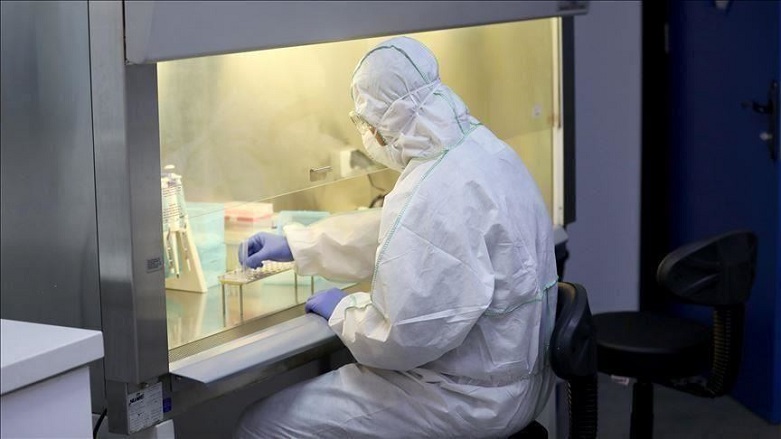
ERBIL (Kurdistan 24) – On Friday, the Kurdistan Region's health ministry published its daily COVID-19 update, confirming that it had recorded a new record of 180 cases and one death over the past 24 hours.
A ministry statement said that out of the 1,927 tests conducted for the virus across the region over the past day, 180 came back positive.
Of the new infections, Sulaimani province recorded the highest number, with 112 new cases. There were 61 cases in Erbil province, five in Halabja province, and two in Duhok province.
A total of 1,892 cases have been confirmed, since the disease first appeared in the Kurdistan Region, including 36 deaths, 559 recoveries, and 1,297 active cases remaining, the statement added.
The Kurdistan Regional Government (KRG) Health Ministry, on Friday, announced that it had “prepared” student dormitories across the region as makeshift COVID-19 treatment and quarantine centers, amid mounting cases of the highly contagious disease.
Health Authorities' Warnings
In a press briefing on Thursday, Sulaimani's top health official, Dr. Sabah Hawrami, urged the public again to adhere to health regulations, because "doctors and hospital capacities are limited," otherwise "the situation might get worse."
He added that because of a limited supply of ventilators and other medical equipment, coronavirus patients are at a higher risk of dying.
"We have hospitals that are made for seven patients, but are now providing oxygenation administration for 30 persons," Hawrami said. "I will not hide it from you, saving all the patients might be difficult due to overloading.”
The coronavirus crisis is particularly acute in Sulaimani province, because it borders Iran, the original epicenter of the virus in the Middle East and which is now experiencing a second spike. It follows a call from Iranian President Rouhani to Kadhimi, soon after he became Prime Minister, and Kadhimi agreed to Rouhani's request to re-open the border.
The figures were clear: the incubation period for the virus is two weeks, and two weeks after the border opened, cases began rising in the Kurdistan Region and Iraq.
Read More: COVID-19 spikes again in Iran, with regional implications
On Wednesday, the representative of the World Health Organization (WHO) in Iraq, Dr. Adham Ismail, explained to Kurdistan 24 that the public's lack of adherence to anti-coronavirus health regulations and the pre-mature resumption of trade with neighboring Iran, by both Iraq and the Kurdistan Region, have led to the dramatic spike in the number of new cases.
Read More: WHO: 'Breach' of health regulations, trade with Iran behind new COVID-19 spike in Iraq, Kurdistan
On Tuesday, the Kurdish Health Minister, Saman Barzinjy, held a meeting with public health experts and doctors throughout the Kurdistan Region to discuss a new plan to combat the spread of the disease.
In a press conference after the meeting, the minister said that as of Tuesday, "Seventy-five percent of the confirmed cases belong to the second peak," adding, "It is not too late yet to prevent further spread of the virus."
Barzinjy reiterated that residents need to protect themselves from the virus by strictly adhering to the safety measures prescribed by the KRG. He stressed that frequent hand washing and wearing masks are simple actions, but they can play an effective role in reducing the risk of infection.
Parliament Suspends Sessions
On Wednesday, the Kurdistan Region's parliament issued a statement in which it announced that "a number of" parliamentary staff and one lawmaker had tested positive for the virus.
"In light of the new coronavirus cases, the leadership is closing parliament for two weeks," read the statement, which will allow members of parliament to get themselves tested for the virus "as soon as possible,” if they have not done so already.
Editing by Laurie Mylroie