Expert Warns Israel-Iran War Could Trigger Major Shifts in Iraq and Beyond
He warned that Iraq, like Iran and other countries in the region, could soon face increased international scrutiny and pressure. “Just as other countries have felt the weight of international influence, Iraq may be next,” he said.
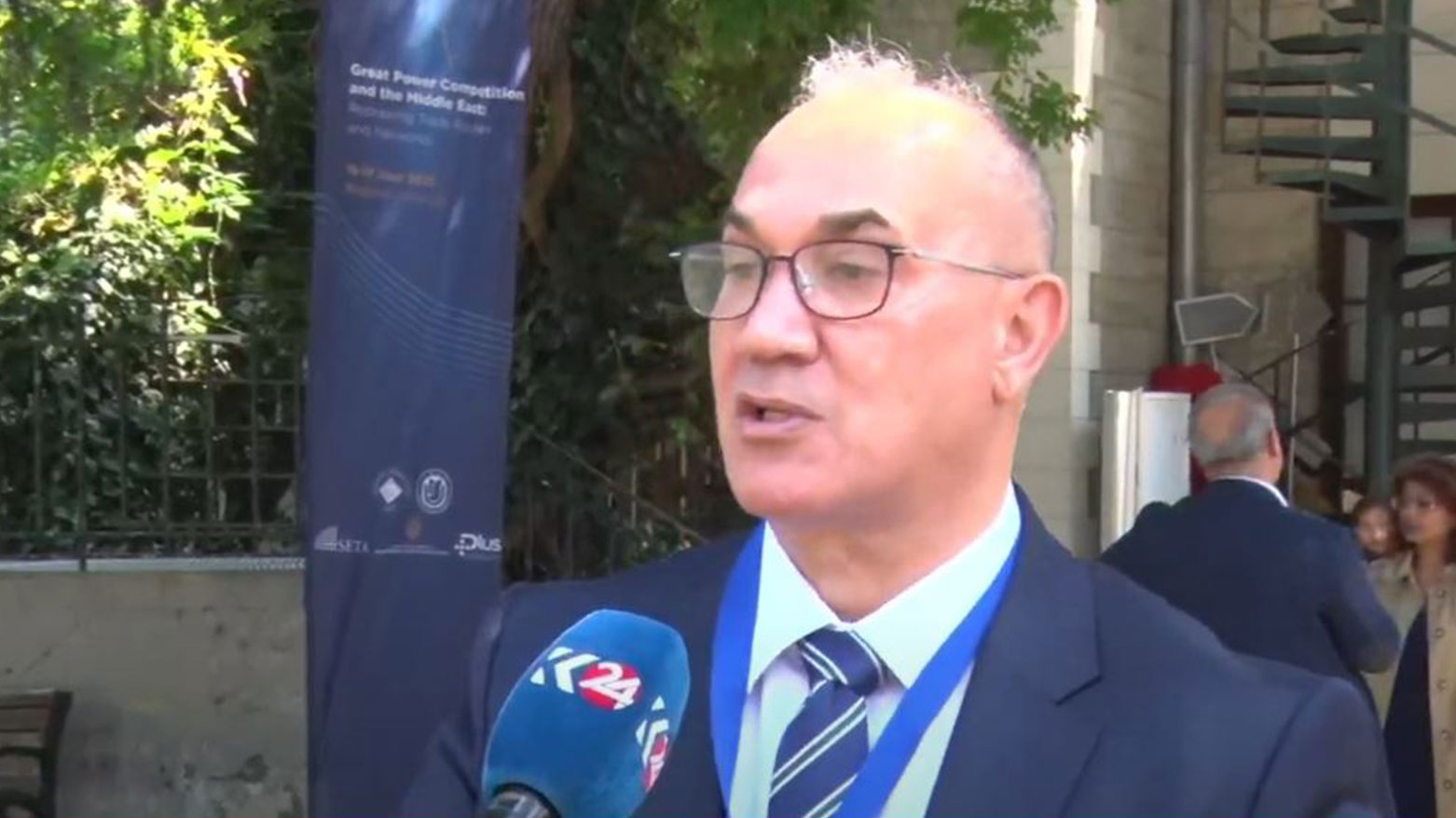
ERBIL (Kurdistan24) — The repercussions of the ongoing conflict between Israel and Iran could engulf the entire Middle East and lead to significant, rapid changes in Iraq, a prominent political expert has warned.
Speaking from Istanbul, where he is currently participating in a major conference on the future of the Middle East at Boğaziçi University, Mohammed Ihsan said the short- and long-term consequences of the Israel-Iran war are already beginning to surface. The conference focuses on the strategic impacts of the conflict on the broader region.
“The short-term impacts will be most visible in Iraq,” Ihsan told Kurdistan24, adding, “Many things may change in Iraq.”
He warned that Iraq, like Iran and other countries in the region, could soon face increased international scrutiny and pressure. “Just as other countries have felt the weight of international influence, Iraq may be next,” he said.
“There is a truth we must acknowledge: the region is heading toward change, and at this stage, no one can realistically talk about peace,” Ihsan concluded.
The political expert also noted that these developments should not be underestimated, urging regional actors to prepare for possible instability and transformation.
He urged the Kurdish people to avoid repeating past mistakes, particularly those made following World War I, when Kurds were excluded from post-war arrangements. “The current war—between Israel and Iran—will not have less impact than the First and Second World Wars, and it will carry significant consequences. It also presents a valuable opportunity for all four parts of Kurdistan,” Ihsan noted. “However, this opportunity comes with real dangers, so we must be prepared.”