Iraq Condemns Israeli ‘Greater Israel Vision’ Remarks as Provocative and Expansionist
The statement warned that these practices, combined with political rhetoric advocating territorial expansion and annexation, required effective measures to curb Israel’s actions and end what it described as a policy of impunity.
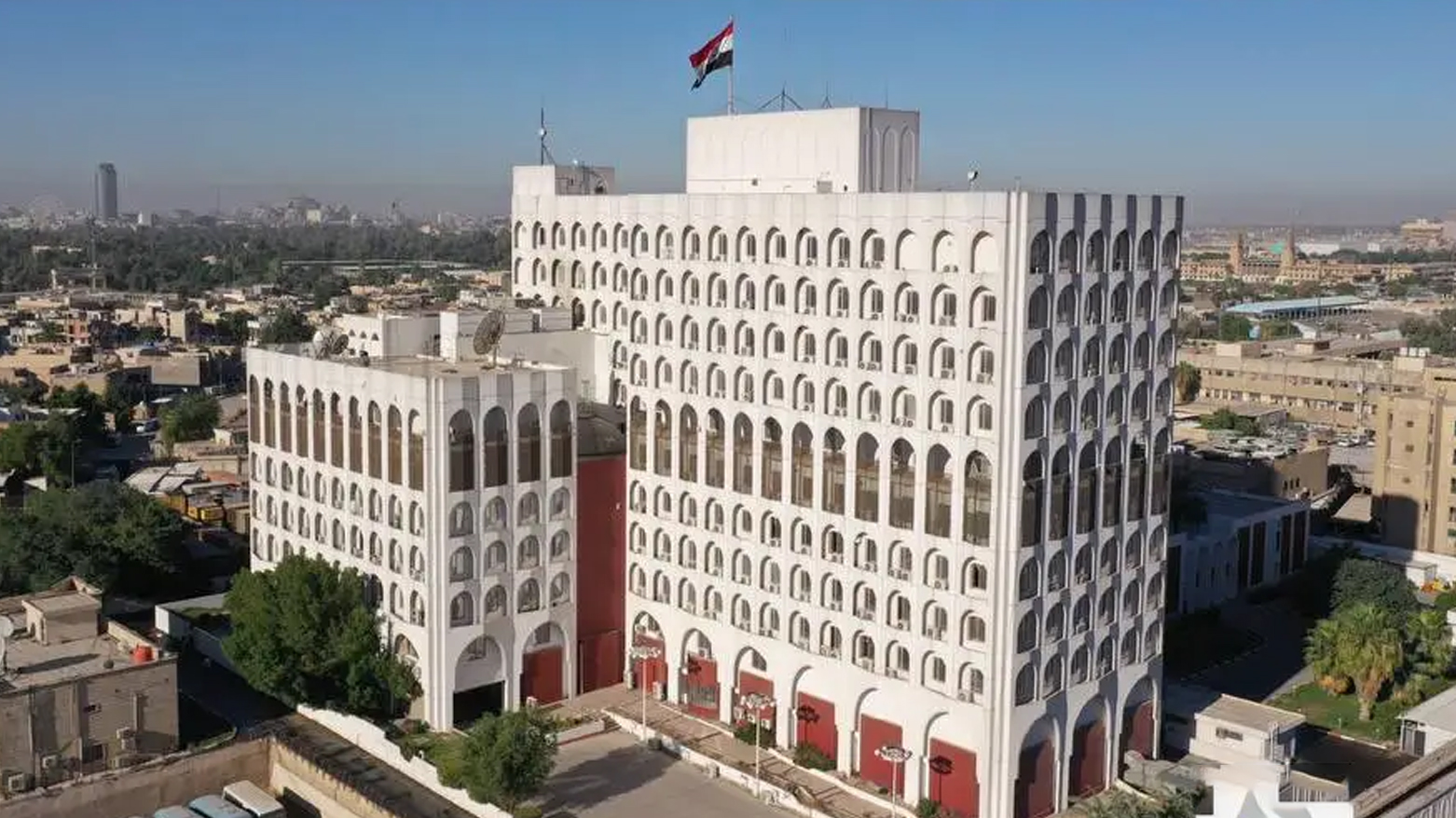
ERBIL (Kurdistan24) — Iraq’s Ministry of Foreign Affairs on Thursday strongly condemned recent remarks by Israeli officials promoting what they called the “Greater Israel Vision,” describing the statements as a clear indication of expansionist ambitions and a threat to regional security and stability.
In a statement, the ministry said the comments constituted a “blatant provocation to the sovereignty of states and a flagrant violation of international law and the United Nations Charter.” It urged Arab and international actors to take a firm and united stance to counter such policies.
The ministry noted that the remarks come in parallel with Israel’s ongoing “policies of aggression” and alleged crimes against the Palestinian people. It warned that these practices, combined with political rhetoric advocating territorial expansion and annexation, required effective measures to curb Israel’s actions and end what it described as a policy of impunity.
Baghdad’s statement underscores Iraq’s continued opposition to Israeli policies, framing them as destabilizing not only to Palestine but to the broader Middle East region.
In an interview broadcast Tuesday evening on i24News, Netanyahu was asked by anchor Sharon Gal whether he “feels a connection” to the concept of Greater Israel. The prime minister responded: “Very much.”
The term “Greater Israel” refers to an expanded Israel based on historical interpretations. While versions differ, some include territories from present-day Jordan, Lebanon, Syria, Egypt, Iraq, and Saudi Arabia.
The vision gained prominence after the June 1967 Six-Day War, when it came to describe Israel alongside the territories it captured — East Jerusalem, the West Bank, the Gaza Strip, the Sinai Peninsula, and the Golan Heights.
Although interpretations vary, the vision remains embraced by some far-right figures in Israel who openly advocate annexing or eventually asserting control over many of these areas.