In the Shadow of Genocide, Sinjar Pins Hopes for Reconstruction on Upcoming Iraqi Elections
Over a decade after the genocide, the people of Sinjar see the upcoming Iraqi elections as a crucial opportunity for reconstruction, stability, and the return of the displaced.
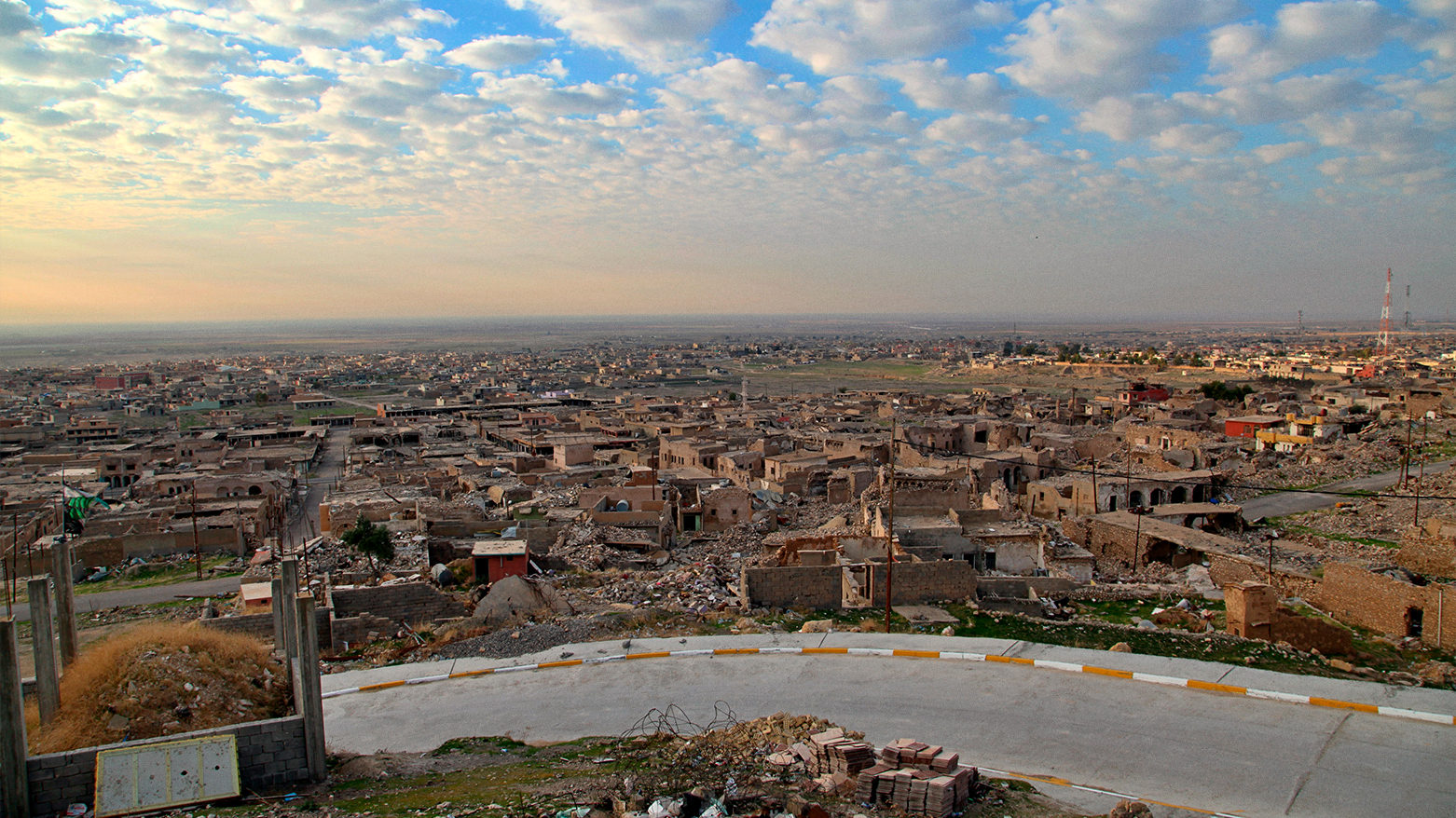
ERBIL (Kurdistan24) – More than a decade after the haunting specter of genocide descended upon their ancient homeland, the people of Sinjar are once again turning their hopeful, yet weary, eyes toward the ballot box. As the campaign for Iraq's upcoming parliamentary elections gains momentum across the ravaged landscape of the district, the air is thick with the promises of candidates and the desperate, long-unanswered pleas of a community still living amidst the ruins of their past.
For the citizens of Sinjar, this election is not just a political exercise; it is a profound and deeply personal test of a fragile hope, a chance to finally elect representatives who can transform years of international sympathy and political rhetoric into the tangible work of reconstruction, the return of the displaced, and the restoration of a lasting peace to their shattered land.
The electoral landscape in this historically and emotionally charged district is both crowded and intense. Approximately 60 candidates are vying for the trust and the votes of more than 100,000 eligible voters in Sinjar, a testament to the high stakes of the contest.
In the final, crucial days of the campaign, the candidates and their teams can be seen fanning out across the district's villages and towns, their convoys navigating roads that are a daily reminder of the immense task that awaits.
They are listening closely to the demands and the heart-wrenching complaints of the citizens, and in turn, are presenting their own work programs and visions for a better future.
A powerful and consistent theme has emerged from these campaign trails, a chorus of promises that directly addresses the most pressing and painful realities of life in post-genocide Sinjar.
The emphatic reconstruction of the district's destroyed infrastructure, the dramatic improvement of non-existent public services, the creation of desperately needed job opportunities, and, above all, the safe and dignified return of the hundreds of thousands who still languish in displacement camps—these are the core pledges upon which many candidates are building their campaigns.
The citizens of the area, for their part, are approaching this election with a renewed sense of importance, viewing it as a critical opportunity for change and a potential turning point in their long and arduous struggle to improve their living conditions.
The sentiment on the ground is one of determined engagement, a belief that their votes can and must make a difference. One citizen, named Avdal Mijk, articulated this widespread feeling of civic duty and cautious optimism.
"These elections are very important, and we must all go to the ballot boxes," he stated, his words a call to action for his community. "We must vote for those who defend our rights and work for the reconstruction of Sinjar."
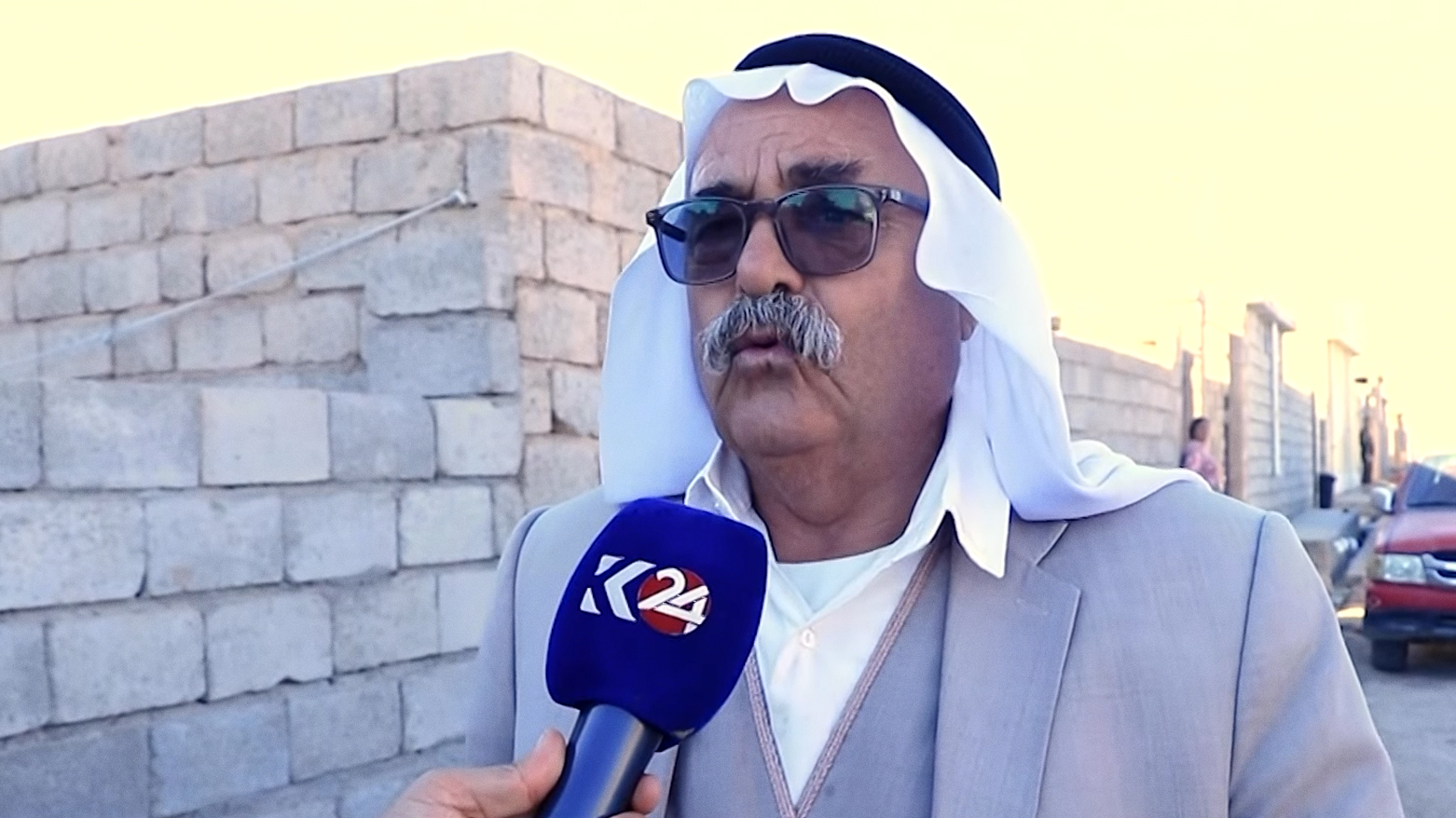
His statement encapsulates the dual aspirations of the Yazidi community: the need for powerful advocates who can defend their rights in the corridors of power in Baghdad, and the desperate, tangible need for the bricks-and-mortar work of rebuilding to finally begin in earnest.
Among the political forces competing for the hearts and minds of Sinjar's voters, the Kurdistan Democratic Party (KDP) has mounted a particularly significant and active campaign. With a slate of nine candidates competing across the broader Nineveh constituency, the party is making a forceful case for its ability to represent the interests of the district.
The KDP's candidates, including the prominent and widely respected figure Vian Dakhil, have placed the plight of Sinjar at the very center of their platform. They have consistently emphasized that their primary and unwavering goals are the comprehensive reconstruction of Sinjar, the full and supported return of its displaced population, and the establishment of a secure and stable environment that can prevent any future atrocities.
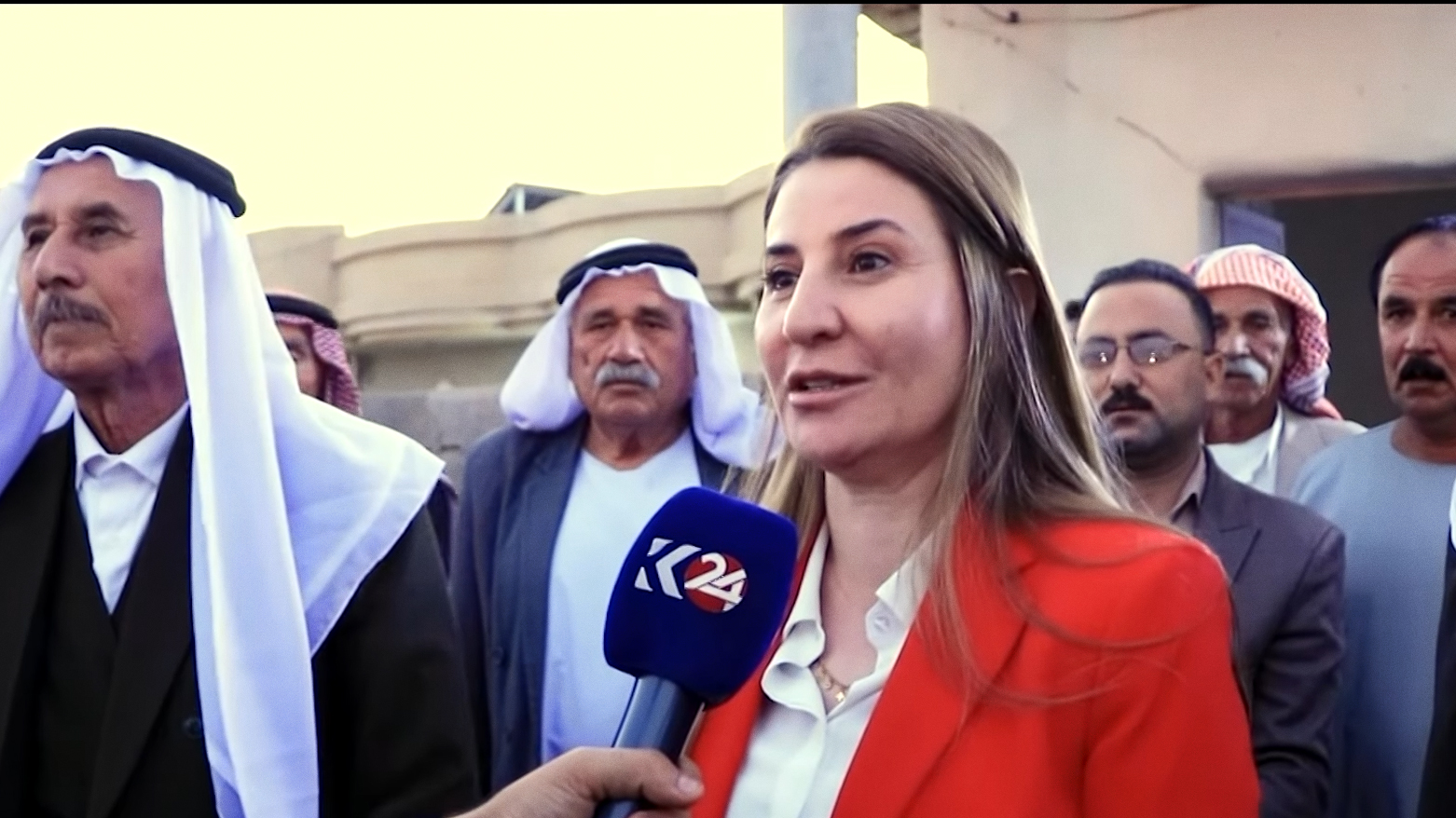
In a recent statement that captured the personal sense of mission felt by many candidates, Vian Dakhil spoke directly to the people she hopes to represent.
"I am here to serve my people," she declared. "The trust that the people have given me, I will try with all my ability to work for it and I will never be negligent towards them." Her words are a pledge of dedication and a recognition of the immense weight of responsibility that comes with representing a community that has endured so much.
The urgency of this election is rooted in a devastating and undeniable reality. More than eleven years have now passed since the Sinjar genocide tragedy of August 2014, when the so-called Islamic State (ISIS) swept through the region, unleashing a campaign of systematic murder, enslavement, and destruction.
Today, despite the passage of time and the territorial defeat of the terrorist group, a large and haunting part of the area remains in ruins. The physical scars of the conflict are everywhere, in the collapsed roofs of homes, the rubble-strewn streets, and the skeletal remains of public buildings.
But the deeper scars are borne by the people themselves, who continue to live in incredibly difficult conditions. The lack of basic services, the absence of economic opportunities, and the persistent security vacuum have made a full return to normal life all but impossible. It is from this place of profound and prolonged suffering that the citizens of Sinjar are pinning their high hopes on the outcome of this election.
They are looking for more than just politicians; they are looking for champions.
They expect that the representatives they elect will finally become their true and effective voice in the Iraqi parliament, tireless advocates who will work relentlessly to solve their complex problems and, at long last, begin the sacred work of reconstructing their beloved and broken homeland.