Iraq’s Oil-Rich Dhi Qar Struggles With 40% Poverty Rate Despite Oil Wealth
Dhi Qar province faces a 40% poverty rate despite its vast oil wealth, with citizens and experts demanding proper use of petro-dollars to fix the crisis.
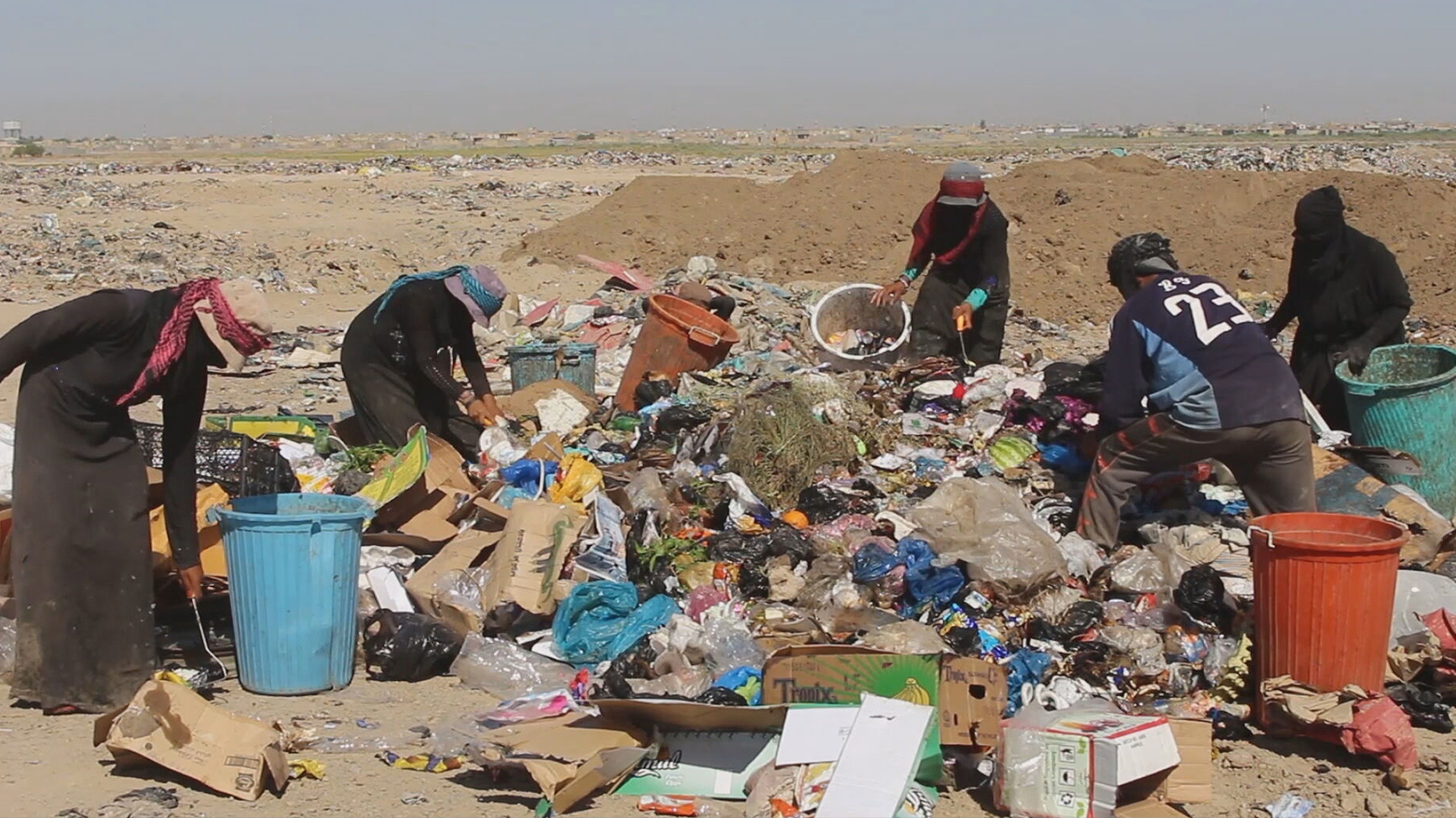
ERBIL (Kurdistan24) – In a stark and unsettling paradox that defines the modern economic landscape of southern Iraq, the province of Dhi Qar has emerged as a tragic symbol of the "resource curse," where the immense riches buried beneath the soil stand in brutal contrast to the destitution of those walking upon it. Despite sitting atop some of the country’s most prolific oil and gas fields and hosting dozens of major international energy companies, the province is currently grappling with a humanitarian and economic crisis of staggering proportions.
According to recent data and expert analysis, the poverty rate in Dhi Qar has surged to an alarming 40 percent, painting a grim picture of a region where the black gold flowing through pipelines has failed to translate into bread on the table for nearly half the population.
This deepening crisis unfolds against a backdrop of industrial wealth that would, in any functional economic model, guarantee prosperity. Dhi Qar is not a resource-poor hinterland; it is an energy powerhouse essential to the Iraqi economy.
Yet, for the citizens of this governorate, the presence of oil rigs and the operations of large energy firms have become a source of frustration rather than hope.
A pervasive sense of disillusionment has taken root across the province’s districts, from the marshes to the urban centers, as residents witness a scene where the wealth of the land is inextricably mixed with the abject poverty of the people.
The number of unemployed individuals is constantly increasing, swelling the ranks of the disenfranchised and expanding the circle of poverty to encompass families who once considered themselves secure.
The disconnect between the province’s natural endowment and its social reality is most painfully visible in the plight of its youth. Every year, thousands of university graduates, armed with degrees and the hope of contributing to their society, are instead forced to join the legions of the unemployed.
These young men and women, who represent the intellectual future of Dhi Qar, find themselves marginalized in an economy that generates billions of dollars in revenue but creates precious few opportunities for the local workforce.
The citizens of the province are vocal in their assessment that the wealth generated in Dhi Qar has in no way had a positive impact on their daily situations, leading to a rising tide of resentment regarding the management of the province's resources.
The grievances of the population are centered on the failure of the "petro-dollar" system to deliver its promised benefits.
The mechanism, designed to allocate a portion of oil revenues directly to the producing provinces to fund development and services, appears to have completely stalled in its effectiveness for Dhi Qar.
The people of the province are now loudly demanding that this budget be spent transparently for their benefit.
Their demands are fundamental: they seek the provision of basic services, the improvement of their standard of living, and an infrastructure that reflects the immense contribution their land makes to the federal treasury.
Speaking to Kurdistan24, a citizen of the province highlighted the glaring disparity between the potential and the reality of Dhi Qar.
"Dhi Qar province has a lot of natural resources, it has large gas and oil fields," the citizen explained, acknowledging the region's strategic importance. However, he quickly pivoted to the conditions on the ground, noting that "so far most of its neighborhoods and towns are suffering from a lack of services."
The citizen painted a dire portrait of the socioeconomic status of his neighbors, stating unequivocally that "the majority of the province's residents are still below the poverty line." This testimony underscores that the crisis is not limited to isolated pockets of deprivation but is a generalized condition affecting the majority of the population.
The frustration is compounded by the perception of wasted resources. Another citizen pointed out that there are, on paper, large budgets allocated for providing services and strengthening the infrastructure of Dhi Qar. Yet, despite these allocations, the province remains mired in underdevelopment and suffers from a persistently high poverty rate.
The citizen lamented the loss of human capital, emphasizing the tragedy of the youth unemployment crisis. "We have thousands of university graduates annually, but they are unemployed," he told Kurdistan24, adding that "the potential of these young people could be invested in."
This statement reflects a broader community belief that the failure is not just one of finance, but of vision and management, resulting in a generation of lost talent.
Economic experts monitoring the situation have validated the fears of the local population, emphasizing that the poverty rate in Dhi Qar has indeed reached the critical threshold of 40 percent. This statistic is not merely a number; it represents a severe social emergency.
Analysts warn that the city is in desperate need of a comprehensive development plan that goes beyond superficial fixes.
They argue that the province’s wealth must be distributed properly and that genuine job opportunities must be created through systemic reform. The consensus among observers is that if poverty is not solved from the root, it will inevitably create major social problems that could destabilize the province further, turning economic grievance into social unrest.
Ali Shami, a prominent economics expert, provided a sobering analysis of the situation to Kurdistan24.
"Dhi Qar is one of the oil-producing provinces," Shami noted, reaffirming the region's status as a key economic engine for Iraq. However, he was blunt in his assessment of the benefits reaching the local level. "This wealth has not been reflected in the lives of the citizens," Shami stated. "On the contrary, the city is afflicted with poverty, the poverty rate has even reached 40%, and we have a large number of unemployed."
Shami’s critique extended to the specific financial mechanisms intended to aid the province, declaring that "the petro-dollar money has in no way had an impact on Dhi Qar." His analysis suggests a systemic failure where funds are either misappropriated, mismanaged, or simply fail to materialize in the form of tangible projects that benefit the common man.
The situation in Dhi Qar serves as a microcosm of the broader challenges facing Iraq's southern provinces, where the abundance of resources has failed to foster sustainable human development.
The expansion of the circle of poverty in the shadow of oil flares is a potent reminder of the inequities that persist within the current economic framework. The wealth of the land continues to be extracted and exported, while the poverty of the people remains entrenched and deepening.
As the number of unemployed continues to rise and the infrastructure continues to crumble, the demands of the people of Dhi Qar remain modest yet unfulfilled. They do not ask for luxury, but for equity.
Their hope is that the city's vast wealth will finally be used properly, managed with integrity and foresight, and that at least a service level "worthy of human beings" will be provided to them.
Until a comprehensive development plan is implemented that addresses the root causes of this inequality, Dhi Qar will remain a rich land inhabited by poor people, a paradox that threatens the social fabric of one of Iraq’s most vital provinces.
Kurdistan24 correspondent Haydar Hanoun contributed to this report.