Fouad Hussein, Lavrov Discuss De-Escalation and Energy Market Stability
Iraq warns of direct impact from regional war, highlights risks to oil exports and global prices
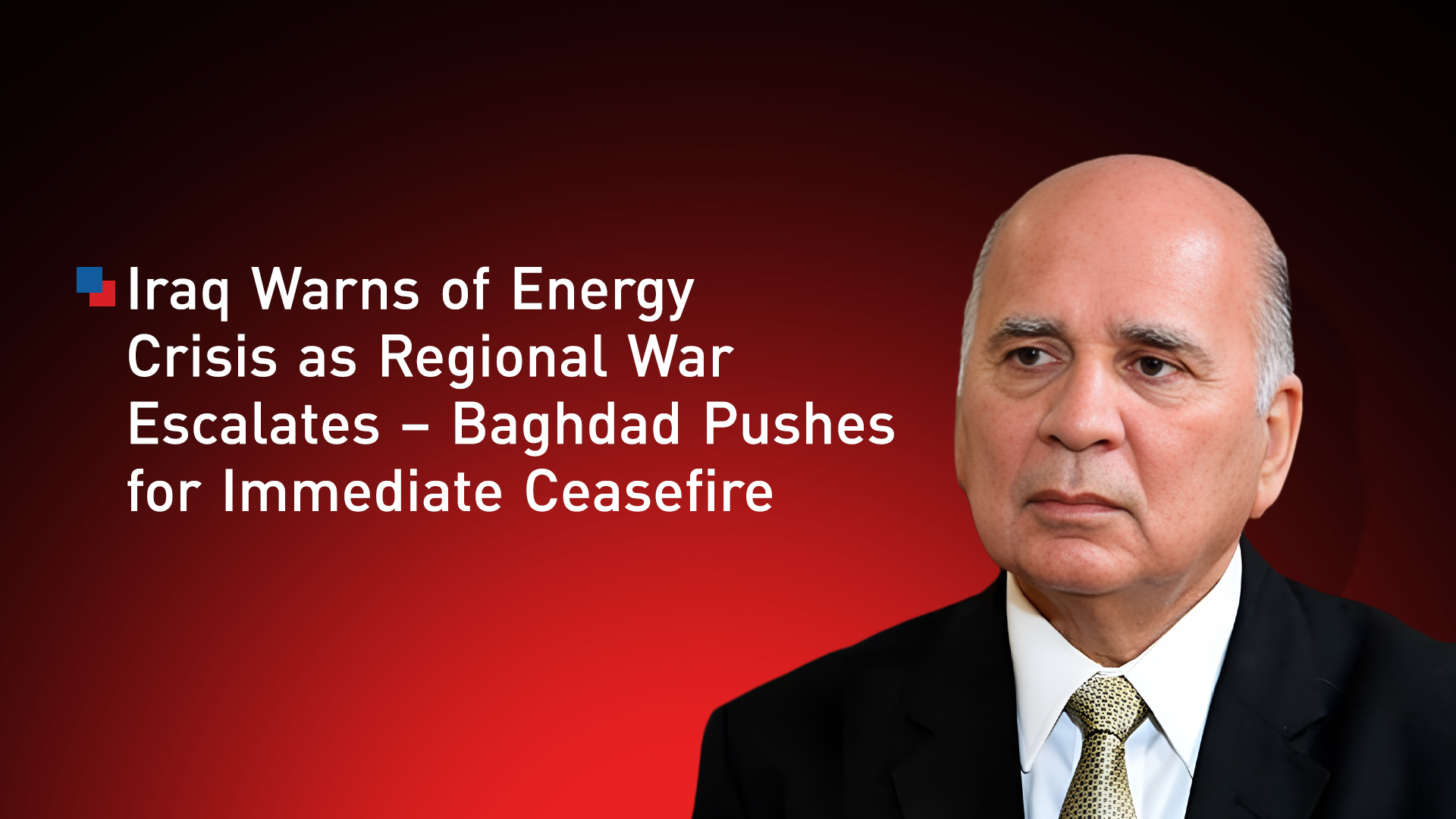
ERBIL (Kurdistan24) — Iraqi Deputy Prime Minister and Foreign Minister Fouad Hussein held a phone call on Wednesday with Russian Foreign Minister Sergey Lavrov to discuss the rapidly evolving military developments in the region and their political and economic repercussions.
During the call, Lavrov outlined Moscow’s position on the ongoing war, noting that he had been in contact with counterparts in Gulf states and Iran. He stressed that the most effective path toward resolving the crisis lies in returning to dialogue and prioritizing diplomatic efforts to contain escalation.
Lavrov also informed Hussein that he had sent an official letter clarifying Russia’s stance and its vision for reducing tensions.
For his part, Hussein thanked his Russian counterpart for the outreach and the formal message, underscoring the importance of continued coordination and consultation between Baghdad and Moscow at what he described as a sensitive and critical juncture.
Iraq Directly Affected
Hussein emphasized that Iraq has become one of the countries directly affected by the ongoing conflict, noting that it has come under attacks from both sides, placing it in the position of a victim rather than a party to the war.
He reiterated that an immediate ceasefire remains the only viable solution, but acknowledged that current indicators do not reflect serious practical steps toward halting hostilities.
The Iraqi foreign minister warned that the widening scope of confrontations and intensifying daily attacks have become defining features of the conflict. He further cautioned that the closure of the Strait of Hormuz and continued military operations have disrupted maritime navigation across the region.
Energy Market Concerns
Hussein noted that Iraq is facing increasing challenges in exporting its oil, a situation shared by several regional producers. He warned that prolonged fighting could trigger a significant crisis in global energy markets and drive up prices, with serious consequences for both regional and international economies.
The talks also addressed bilateral relations, with Lavrov extending an invitation to Hussein to participate in the 11th session of the Iraqi–Russian Joint Commission, scheduled for May.
The call concluded with both ministers affirming the need to maintain ongoing communication and joint coordination amid the fragile and volatile regional environment.