Khor Mor Attacks, US-Kurdistan Strategic Partnership, and the Question of Air Defense System
Kimmitt and Murad debate U.S.-Kurdistan ties post-Khor Mor; U.S. open to selling air defense, while Murad urges bypassing Baghdad.
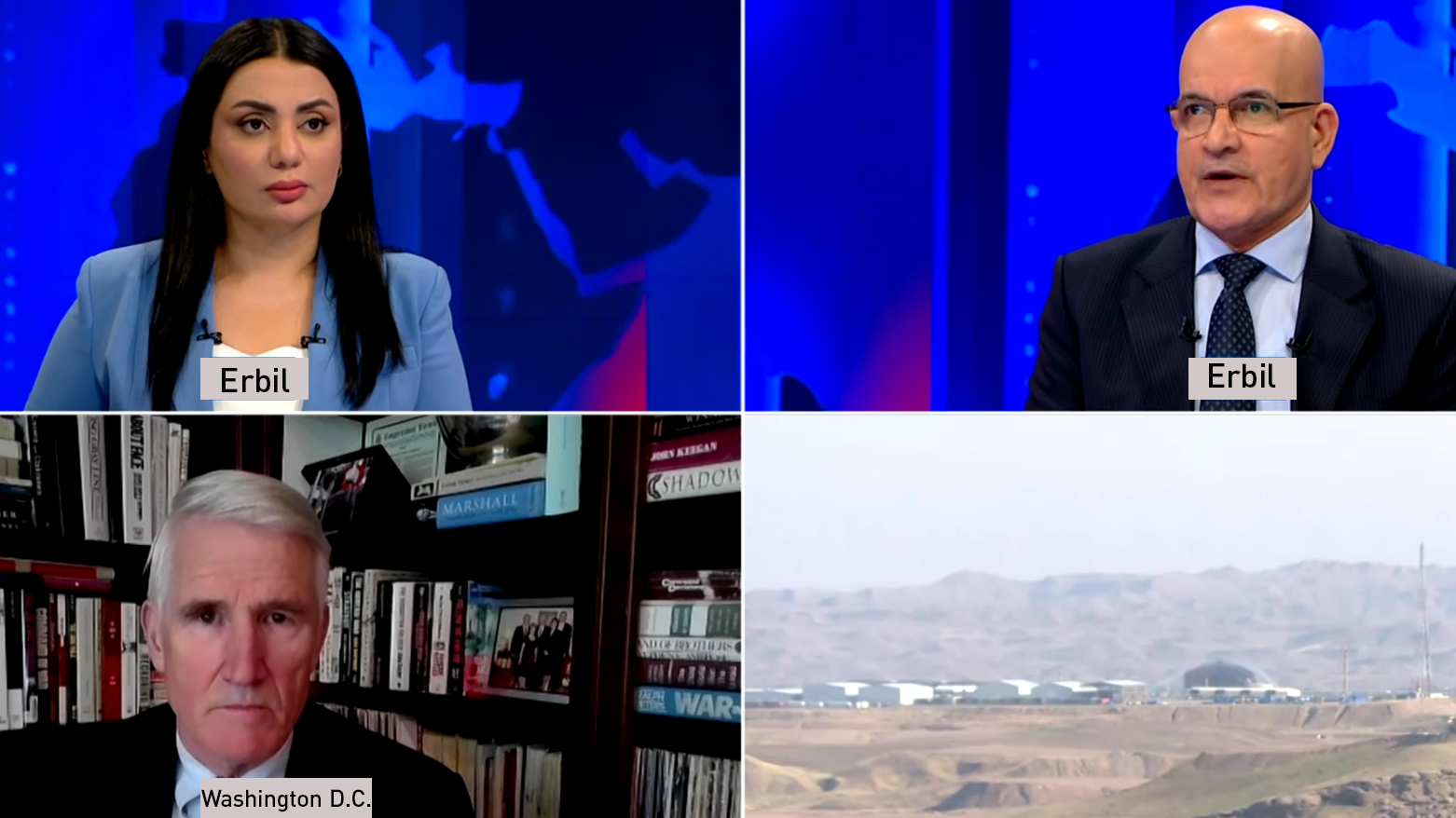
ERBIL (Kurdistan 24) – The recurring attacks on the Khor Mor gas field have ignited a fresh debate about the depth of the strategic partnership between the United States and the Kurdistan Region, with officials and analysts offering diverging views on Washington’s obligation to defend Kurdish energy infrastructure.
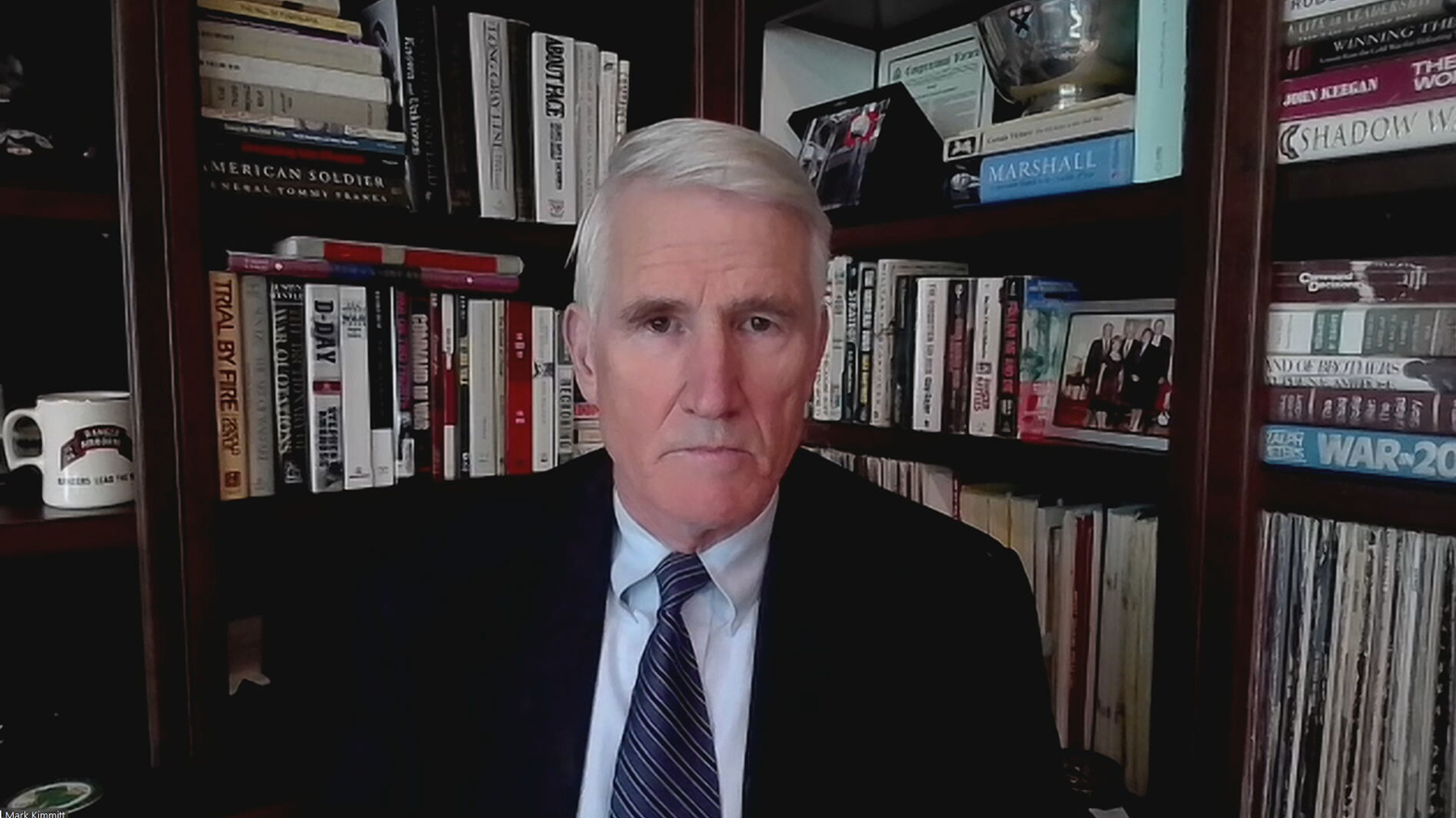
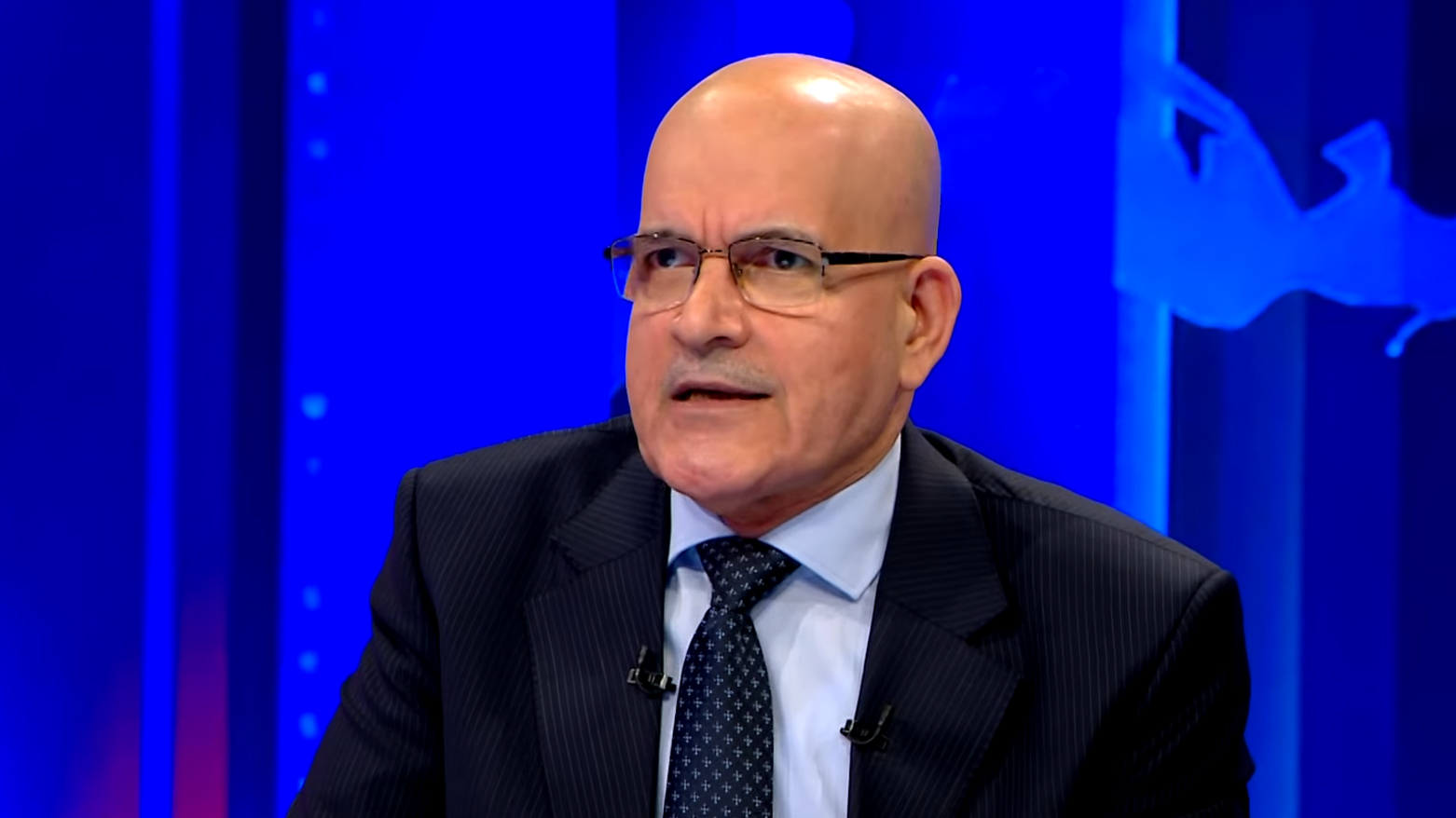
In a recent broadcast of the Basi Roj segment, host Zhino Mohammed convened a panel featuring Mark Kimmitt, former U.S. Deputy Assistant Secretary of Defense for Middle East Affairs, and Kurdish politician Mawlood Bawa Murad.
The discussion centered on a pivotal question: does the weaponization of energy against the Kurdistan Region constitute a blow to shared U.S.-Kurdish interests, and if so, how should those interests be protected?
A Blow to Shared Interests
Speaking from Washington, Mark Kimmitt was unequivocal in his assessment of the attacks on Khor Mor.
“Certainly, this is an attack on shared interests,” Kimmitt stated. He characterized the strikes as a direct assault on foreign companies operating within the Kurdistan Region and warned of the long-term economic consequences.
“As long as this threat from foreign actors comes to try to stop the export of oil and gas, that's going to prevent and hinder the development, further development inside of Kurdistan,” Kimmitt explained.
His comments underscore the fragility of the region’s economic progress, which relies heavily on stability to attract and retain international investment.
The Debate Over Air Defense Systems
The conversation quickly turned to the pressing need for defensive capabilities.
The Kurdistan Regional Government (KRG) has long requested advanced air defense systems to protect its critical infrastructure from rockets and drones. However, these requests have faced hurdles, leading to questions about Washington’s willingness to supply such hardware.
Kimmitt revealed that the United States is "already considering the sale of counter-UAV, counter-drone equipment to help protect the facilities and protect the skies of Kurdistan."
He also highlighted other forms of support, including intelligence sharing and military training, which he argued would strengthen the defense of these sites.
However, when pressed on why the U.S. does not provide these systems more readily given the shared economic stakes, Kimmitt clarified the American policy stance.
"It is important to understand that when an American company works overseas, it is the cost and responsibility of the host country to provide that protection," he noted.
He further elaborated that while the U.S. has strict laws regarding the provision of technical equipment, there should be no impediment if the Kurdistan Region wishes to purchase systems that meet US criteria. "If you're saying why is the United States not providing that equipment for free... the policy under President Trump is that Iraq in general needs to provide more of its financing for more of the equipment."
Kimmitt also placed the onus on Erbil to secure its own skies, asking, "Why cannot Erbil do like every other country in the region and protect the American companies and their facilities? What is different about Kurdistan that would suggest that they do not have the ability to protect those facilities?"
Constitutional Obstacles and the Definition of Partnership
In the studio, politician Mawlood Bawa Murad offered a contrasting perspective, focusing on the legal and political constraints imposed by the Iraqi constitution.
He argued that for the U.S. to truly treat the Kurdistan Region as a partner in security, it must be willing to bypass the federal government in Baghdad.
"What is important is to identify those interests that are shared... outside of the Iraqi constitution and over Baghdad," Murad argued.
He contended that the current constitutional framework, which mandates that military agreements go through the federal government, acts as a filter that stifles the Kurdistan Region’s ability to defend itself.
"If the Kurdistan Region and America together can overcome those constitutional obstacles... meddling with energy means meddling with national security," Murad stated.
He expressed confidence that the U.S. is capable of such maneuvering but questioned the political will to treat the Kurdistan Region as a distinct entity separate from federal Iraq.
Murad was skeptical of the current centralized security model in Iraq, describing it as unstable and dominated by shifting factions.
"Iraq is run by a set of groups. There is still no political stability for us to know who our counterpart is in Baghdad," he said, listing various coalitions and militias that influence decision-making.
When challenged by the host about the existence of federal institutions like the presidency and parliament, Murad dismissed them as largely ceremonial or controlled by the "coordination framework," a coalition of Shiite parties.
"The prime minister... has the authority of the commander-in-chief... these great authorities make it so that this state is in the hands of the Shiite movements," he asserted.
Diverging Views on Militia Control
A sharp disagreement emerged between the two guests regarding the relationship between the Iraqi government and militia groups. Kimmitt pushed back against the notion that militias control the Iraqi state.
"I disagree completely that the government is controlled by the militia," Kimmitt said. "The United States, who has a significant amount of influence with the Iraqi government, knows better than to suggest that the government of Iraq is under the control of the militias."
Murad countered this by arguing that the militias and the government operate in harmony because they serve the same ideological goals.
"These militias are also in the service of the government," Murad claimed. He described the Popular Mobilization Forces (Hashd al-Shaabi) as an "ideological army" that views its role as protecting the "sacredness" of the government, rather than operating as rogue actors.
Strategic vs. Tactical Relations
The discussion culminated in a debate over the nature of the U.S.-Kurdistan relationship itself. Murad expressed deep skepticism about whether the partnership is truly "strategic."
He recounted a historical anecdote involving Paul Bremer, the former U.S. administrator in Iraq, who allegedly told Kurdish leaders, "We will not let the Kurds be Anfal-ed again... But other things will be said at their own time."
For Murad, this promise constitutes a guarantee of survival but not necessarily a strategic alliance in the traditional sense. "Shared interest is a vague bag," he said colorfully. "I still do not feel that this is a strategic relationship."
Kimmitt offered a nuanced rebuttal. He pointed to the Coalition Provisional Authority’s decision to allow the Peshmerga to remain as a distinct military organization as evidence of a unique relationship. He also cited the continued U.S. funding for Peshmerga salaries, training, and equipment as proof of long-term commitment.
"That gives the Peshmerga the tactical ability... to protect the Kurdish region far better than the federal Iraqi troops were able to protect the rest of the region against Daesh," Kimmitt noted.
However, Kimmitt concluded with a sobering distinction between tactical support and a strategic defense treaty.
"The strategic issue remains... giving Kurdistan a guarantee of security such that if Kurdistan is attacked that the United States has a mutual defense relationship with Kurdistan. And the answer is no," he admitted. "That is done on a case-by-case basis... the United States is under no obligation to provide that assistance."
The dialogue on Basi Roj highlighted the complex reality facing the Kurdistan Region.
While the United States acknowledges the attacks on Khor Mor as a blow to shared interests and is open to selling defensive equipment, it stops short of a binding mutual defense pact. Meanwhile, Kurdish voices like Murad argue that without bypassing the constraints of Baghdad, true security remains elusive.